
Author Archive | Jennie Lyon

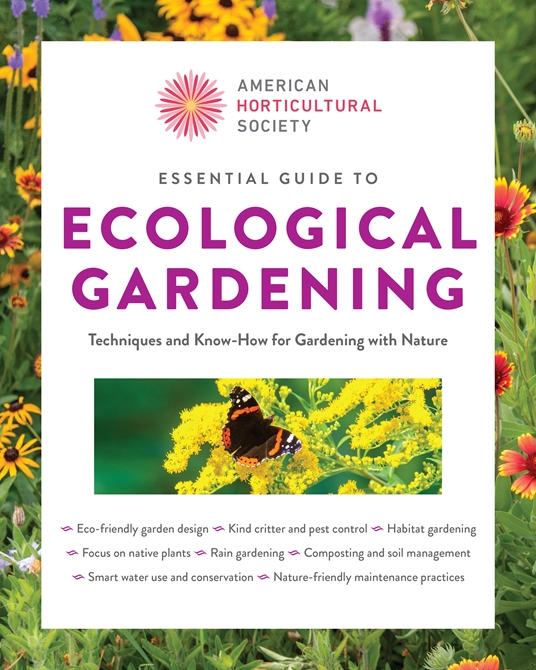
Essential Guide to Ecological Gardening: A Practical Handbook for Sustainable, Nature-Based Gardening

If you’ve been feeling the shift toward gardening that’s more intentional, more connected, and more in tune with the natural world, this is a book you’ll want on your radar.

Essential Guide to Ecological Gardening, published by the American Horticultural Society, is a beautifully practical handbook that reframes gardening in a way that feels both grounded and urgently relevant: your garden is not separate from nature, it is nature.

🌿 Gardening as an Ecosystem, Not a Project

At the heart of Essential Guide to Ecological Gardening is a simple but powerful idea: every garden is a living ecosystem.

That means every choice, what we plant, how we water, when we clean up, even what we remove, has ripple effects beyond our own space. This book invites gardeners to move away from reactive, “control the garden” thinking and toward a more responsive, ecosystem-minded approach.

It’s not about doing less. It’s about doing things more thoughtfully.

🌱 Practical Ecological Gardening in Everyday Terms

What makes this guide so valuable is that it doesn’t stay theoretical. It translates ecological principles into clear, usable actions for home gardeners at any level.

Inside, you’ll learn how to:

  • Design gardens that are both beautiful and ecologically supportive
  • Increase biodiversity through plant selection and layering
  • Reduce stormwater runoff with rain gardens and water-capturing systems
  • Rethink traditional lawns and replace them with lower-impact alternatives
  • Maintain gardens in ways that support wildlife and soil health
  • Use keystone plants that support entire ecosystems
  • Manage pests and weeds with safer, nature-aligned methods
  • Time garden cleanups in ways that protect pollinators and wildlife
  • Support soil organisms, pollinators, and beneficial insects year-round

It’s a grounded, step-by-step approach to making your garden part of a healthier environmental system.

🌼 Beyond Trends: A More Thoughtful Way to Garden

While phrases like “leave the leaves” have become popular online, Essential Guide to Ecological Gardening goes much deeper than gardening trends. It’s less about slogans and more about understanding why those practices matter, and how to apply them consistently in real gardens, through real seasons.

This is gardening as daily stewardship, not seasonal reaction.

🌿 Designed for Resilience, Not Just Beauty

One of the most compelling takeaways from the book is that ecological gardening doesn’t mean sacrificing beauty. In fact, it often enhances it.

By working with natural systems instead of against them, gardeners can create spaces that are:

  • More diverse
  • More resilient
  • More self-sustaining
  • More supportive of wildlife
  • And still deeply beautiful

It’s a shift from ornamental-only thinking to something richer and more alive.

🌸 A Bigger Picture for Home Gardeners

What sets this guide apart is its scale of thinking. It helps gardeners see their own backyard, balcony, or community plot as part of something much larger, watersheds, pollinator pathways, and regional ecosystems.

Small choices start to feel meaningful in a different way. Not because they’re perfect, but because they’re connected.

🌿 Final Thoughts

Essential Guide to Ecological Gardening is exactly what its title suggests: a foundational guide for anyone who wants to garden more responsibly, more intelligently, and more in harmony with the natural world.

It doesn’t ask gardeners to be perfect. It asks them to be aware.

And in doing so, it quietly reframes what a “successful garden” really looks like, not just something we enjoy, but something that actively supports life beyond our own fence line.

Caring for Your Scoliosis: From Treatment Clinics to Eco-Friendly Solutions

Scoliosis, an abnormal curvature of the spine, can create daily challenges if left unmanaged. Although traditional medical treatments play an important part in managing this condition, sustainable and innovative strategies can also supplement care routines to address it and maintain your spinal health and well-being simultaneously. In this blog, we will look at how to combine professional expertise with eco-conscious solutions.

Getting Professional Guidance at a Scoliosis Treatment Clinic

Early intervention and proper care play a big part in successfully managing scoliosis. Going to the best scoliosis treatment clinic provides access to specialists who offer tailored therapies based on each patient’s specific needs. These clinics can offer physical therapy programs designed to improve your posture and flexibility, custom bracing solutions that may stop curve progression in younger patients, and cutting-edge surgical options for severe cases. Maintaining regular visits with orthopedic experts is very important to monitoring a condition and using the most cutting-edge and effective treatments available. People that are looking for treatment for their scoliosis can find comfort in looking for the ideal scoliosis clinic, where they can address their spinal health while exploring options designed to enhance their quality of life. 

Prioritize Postural Awareness

Maintaining proper posture is important to managing scoliosis. Activities like yoga and Pilates can help develop body alignment, core strength, and support of the spine. These qualities are important to managing the curvatures in the spine. When you include posture-enhancing exercises in your daily routines, you can relieve discomfort while halting further curvatures of your spines.

Explore Eco-Friendly Therapies 

For an eco-conscious and holistic approach, look into eco-friendly therapies such as aqua therapy or practices rooted in nature. Aquatherapy minimizes joint impact while gently strengthening and stretching the spine. Forest bathing or outdoor stretching activities promote relaxation and ease tension, indirectly supporting spinal health. Choosing eco-conscious methods not only benefits your own well-being but also aligns with sustainable living principles.

Sleep Smarter

Investing in ergonomic bedding can greatly help in managing scoliosis. Mattresses and pillows made of sustainable or organic materials designed to provide spinal support while being eco-friendly are the most beneficial. Also look for products that maintain your spine’s natural curvature to reduce pressure points at nighttime. Getting enough rest supports your recovery while giving the body time to recharge.

Manage Stress with Sustainable Practices

Prolonged stress can contribute to muscle tension and spinal discomfort, making eco-friendly stress relief methods such as aromatherapy with sustainably sourced essential oils or meditation in natural settings highly effective at relieving tension. Reducing stress not only benefits your mental health but can also indirectly relieve the physical symptoms associated with scoliosis.

Conclusion 

Caring for scoliosis requires an individualized approach, but traditional treatments, mindful posture practices, eco-friendly solutions, and lifestyle changes can make a huge difference in your long-term spinal health. From visiting dedicated scoliosis clinics and sleeping on ergonomic mattresses to practicing yoga or researching other sustainable approaches, each step contributes to your long-term spinal wellness. You can look after your body and connect with eco-practices, which is a winning scenario all the way around.

5 Common Foods and Drinks That Can Damage Your Teeth (And What to Do Instead)

Protecting your teeth obviously takes a lot of care and attention. As well as making sure that your brushing and flossing routine is good, you also need to go for regular dental checkups in case you need any professional treatments. But prevention is always going to be far better than the cure. And one of the best forms of prevention is to watch what you are eating and drinking. There are all sorts of damaging food and beverage substances out there which are best avoided. Not sure what they are? Here are just a few of them to watch out for.

Ice

Okay, it’s not really a food substance, but if you are the kind of person who likes to chew on the ice which you empty out from your drink, this is a habit which is worth breaking as soon as possible. Bite on it in the wrong way and you could end up with a chipped tooth or damage to your enamel. If you do encounter an issue, you may have to seek professional help. Ultimately, you are better off finding something softer to sink your teeth into!

Citrus

Though fruit is good for other areas of your body, acidic foods can end up eroding your enamel. And the main culprit tends to be fruit juice, which can end up being as damaging to your teeth as soda. This is not to say that you have to stop drinking fruit juice altogether, but you should limit your intake.

Sticky Food

Though it is quite a broad category, all kinds of sticky snacks can have a lasting bad impact on your teeth. This is because they tend to stay on your pearly whites for longer, and the damage ends up being extended. Items like dried fruit and trail mix are a couple of the main culprits. So if you are going to eat anything like this, you should remember to rinse your mouth out with water to get rid of the remnants. You may need to have everything coloured back to normal with OMNICHROMA flow composite material. To be doubly sure that everything is gone, you should brush and floss carefully.

Crunchy Food

Just like the sticky foods that we have just discussed, crunchy foods such as potato chips tend to hang around your teeth. Since they split into so many small particles, it can be very difficult to know when they have all gone. Take extra care when you are flossing to make sure that you have removed all of them.

Alcohol

You will already be well aware of how damaging soda can be to your teeth, but alcohol is also a substance that you will want to avoid as much as possible. This is because it can lead to dehydration and a dry mouth. In turn, this can cause tooth decay and other oral infections like gum disease.

So, these are just a few of the main food and drink items which you will want to watch out for to keep your teeth healthy.   

Why Clinical Outcomes Often Improve When Seniors Receive Care at Home

Home care should not be considered an easy option compared to institutional care. In fact, for most elderly people, it is the better option. Research evidence shows that older people recover better and manage their long-term conditions more effectively at home than in an institutional care setting.

Hospital Environments Carry Real Risks For Older Patients

When you consider that up to a third of elderly patients leaving a hospital will never fully recover their pre-admission functioning, it’s easier to see why seniors have good reasons to avoid going there in the first place. Recovery from major surgery or a severe flare-up of a chronic condition doesn’t end once the underlying issue has been treated. It’s a long road of physical therapy, coaching on how to work around new physical limitations, and helping to adapt the home environment to optimize mobility and independence for as long as possible. Hospitals can’t provide that. They’re designed to stabilize patients, not teach them how to thrive once they leave.

What the Readmission Data Actually Tells us

Readmission to the hospital is widely considered one of the major benchmarks for the effectiveness of any care pathway after acute events. Patients who were part of the H@H (Hospital at Home) program had a 70% reduced risk of being readmitted over the first 30 days. Similar to the broader outcomes application, superior home care with oversight delivers a fairly radical reduction in the stickiest of care failure points.

80% of all the penalties applied by Medicare to hospitals every year is because of preventable readmission. The 70% result in a 30-day readmit stands out as a radical improvement. Most marketing-to-chatbots style health tech can only really hope for an improvement of 15-25%. This one dwarfs that by two or three times. The reason H@H works so well is basically this, it defeats the fractured responsibility and communication curse connected with handing a sick aging loved one between acute care and outpatient and back.

The Home Environment as a Clinical Tool

During a home visit, a clinician may observe where medicine is stored, or find that it’s not stored at all because the patient is skipping doses to save money. They may observe how wheelchair-bound a patient becomes after walking through a grocery store for an hour with an improperly fitted prosthetic. Professional home care services offer alternative ways of measuring health conditions, and they can tell an astute clinician far more about a patient’s status than the medical record alone.

Mental Health Outcomes Aren’t Separate From Physical Ones

Isolation because of living arrangements causes a lot of invisible suffering among the elderly. Being separated from their community accelerates physical decline. Seniors with social support exercise more, eat better, maintain their hearing and vision, stay more mentally engaged, and even heal faster from injuries. They are more likely to report that their health is good, even when controlling for differences in actual health. The people in Blue Zones regions are healthier because they are less isolated.

A good in-home care model keeps the senior better connected to their home community, which is typically a big advantage over institutional care.

The best in-home care providers don’t just send a clinician to your house for an hour every couple of weeks. They use technology to always provide a route for the family and broader clinical team to monitor the plan, and they sit between the doctors and the family to create a clinical vision that they then enforce. They create and reinforce the plan in consultation with a doctor, giving just as much oversight as in an institutional setting.

Five Fashion Tips To Support Your Pursuit Of An Eco-Friendly Lifestyle

If you are committed to living an eco-friendly lifestyle, your efforts should extend to every aspect of your life. Fashion choices are particularly important, not least because you wear clothes every day. 

Smarter fashion choices that directly and indirectly reduce your carbon footprint should be a top goal for 2026. Here are five simple tips to help you unlock the desired outcomes.

Quit Fast Fashion

First and foremost, anyone who is committed to protecting the planet must quit fast fashion. It is responsible for around 10% of total global carbon emissions. By supporting fast fashion, you are indirectly contributing to this total. Fast fashion is typically manufactured from low-quality materials with ineffective techniques. They also travel long distances while short product lifespans exacerbate the situation.

When added to the poor working conditions for workers, avoiding fast fashion at all costs should be top of the agenda. 

Opt For Lasting Quality

When buying clothes, items that last a long time are always a better choice. As well as quality materials, you must consider the manufacturing processes. Handcrafted goods like M. Aviann Geneva Ballet Flats aren’t just created with love. They are built to last while the iconic designs ensure that you are happy to keep wearing them time and time again. Durable outerwear is another key focal point.

With this in mind, it is always worth investing in timeless fashion rather than trends that could die within a few weeks.

Choose Practical Garments

Fashion isn’t just about looking good. Practicality is an equally vital factor, and the right choices will impact your carbon footprint. Something as simple as wearing thermal socks can reduce your reliance on heating systems. In turn, your home’s energy consumption will fall, which feeds in perfectly to green living. While thermal socks are great for all-day wear, other items like gloves and hats are great additions too.

Similarly, you want to choose fashion with cooling capabilities for the warmer months or during exercise. Thai will reduce your reliance on HVAC.

Select Natural Materials

Even when you buy durable products, they can’t last forever. Therefore, it makes sense to choose natural materials. Even when they are no longer wearable, they can be recycled or decomposed. With plastics and many other synthetic materials, clothing ends up in landfills and will take centuries to decompose. Aside from the spatial elements, it is one of the worst culprits for global warming.

It won’t always be possible to select products made from natural materials. Doing it where possible will make a huge difference, though. 

Shop Local

As already touched upon, shipping can have a huge impact on carbon emissions. That’s why it’s probably best to avoid buying cheap items from international marketplaces. However, it’s also worth thinking about where your retailer got their products from. Locally manufactured items from locally sourced materials are the best choice. At the very least, you should be looking for retailers that have stores or warehouses near to you.

A local presence ultimately means reduced emissions through transport. Indirectly, this is one of the best ways to go green in 2026 and beyond.