Author Archive | Jennie Lyon

Green Choice Awards: Cast Your Vote

Have you been involved with an environmental nonprofit as a volunteer, a donor or a board member? Perhaps you have attended a rally or an event? April is Earth month, and this year there’s a great new way for you to make a difference for the environment – with just your opinion! Great Non-Profits (a Yelp and Zagat-like website for nonprofits) is providing a new way for us all to get involved with environmental causes: The Green Choice Awards.

The Green Choice Awards is a contest to identify the best environmental nonprofits out there, according to all the people who have actually experienced their work. By gathering and presenting the stories of real impact that these organizations had, they will be able to identify the ones that are doing a great job, and support them. The Green Choice Awards was launched April 1st and runs until April 15th, with the winners revealed on Earth Day. The small, medium, and large nonprofits who gather the most positive reviews will be declared winners and be covered in national media. All of you who post reviews of the winning organizations have the chance to win great green prizes, such as earth-friendly wines from Fetzer wineries, Whole Foods gift cards, a stay at Joie de Vivre hotels, and more. So log on and take a few minutes to share your views with the world – and change it for the better in the process!

5 Tips for Going Green While on Your Summer Cruise

schooner-754872_1280

A Note from Sweet Greens: This post wasn’t written by me – thank you for supporting the companies that support Sweet Greens.

As the world becomes more aware with climate change and other environmental problems, various industries are searching for ways to reduce their carbon footprint and follow greener practices. This includes the cruising industry. These days, a lot of companies who offer cruise trips to the Mediterranean are taking big steps to greenify their operations. But of course, it’s also important that the passengers participate in the movement to create a bigger positive impact to the environment. Read on to learn how you can start an eco-friendly summer trip while having fun at the same time.

  1. Reuse, reduce, and recycle
    This should always be practiced whether you are travelling by land or by sea. For starters, you should reduce the number of water bottles that you use. Instead of buying water from the grocery store all the time, you can bring your own refillable container instead. Cruise ships offer food and drinks onboard so you can probably find a clean drinking water somewhere. If you see specially marked recycling trash bins, make sure that you throw your garbage in the appropriate bins.
  1. Reducing carbon footprint
    You can’t stop a cruise liner from using fuel. However, you can still do your part in reducing the carbon footprint of your journey.  First, turn off the lights in your room if you are not using them. If you are not extremely dirty, only take quick showers at night to conserve water.
  1. Eat right
    Sometimes, we get so excited with the buffet on the ship that we take more than what we can eat. Reduce excessive food waste by controlling yourself in the buffet line. Not only is it good for the environment, but it’s also good for your health as well. Tip: use a smaller plate so that you won’t overeat.
  1. Use the stairs
    Climbing the stairs seems like a very daunting task. However, it can be beneficial for reducing electricity consumption. This is also effective for burning off the excess calories that you acquired at the buffet table.
  1. Say no to plastic bags
    If you are buying souvenirs from the gift shop, always say no to plastic bags. Trinkets like magnets or key chains don’t need to be wrapped in a bag. Shirts, meanwhile, can be jammed in your suitcases. If you are planning to buy a lot of souvenirs, opt to bring your own reusable bag instead.

What other green travel tips do you have? Feel free to join the discussion in the comments!

5 Simple Eco-Friendly Ways to Green Your Bathroom

If you are just beginning your green journey – a great place to start is your bathroom. It is amazing how many toxic chemicals, harmful personal care ingredients and disposables items can be found there. Not to mention, the insane amounts of water that literally go down the drain. While greening your bathroom may sound like a huge undertaking, when you break it down into 5 simple areas – you will find that your bathroom is eco-friendly in no time, read on to get started.

#1: Ditch the Chemicals
We all know what we eat is super important to our health – the same is true for what you put on your body. After all, our skin is the body’s largest organ and it absorbs everything that is put on it. I suggest slowly removing all of the chemical personal care products from your vanity, if you can’t do it cold turkey. Replace those items with toxic-free products, while they may cost a little more upfront the impact they have on your health and the environment over the long run is worth it.

#2: Ditch the Disposables
It is easy to purchase disposable razors, cotton balls, tissues, and facial wipes – they just seem more convenient. However, the cost to both the environment and your budget are huge. Instead, choose a razor where only the head is disposable, choose reusable (washable) cloths and menstrual products instead of tissues, wipes, pads or cotton balls. Those small changes alone, add up over the course of a year.

#3: Ditch the Air Fresheners
We all want our bathrooms to smell clean and fresh. However, those toxic air fresheners may smell nice, however they poison the air. I would highly recommend making your own all-natural air freshener instead and avoid the chemicals.

#4: Green the Cleaners
Great cleaners are eco-friendly, toxic-free and many work just as well as their chemical counterpart. The best part many are just as affordable as the chemical version and you can make them at home using common household ingredients that are all-natural and super affordable too.

#5: Switch to Low-Flow
Over 2.5 gallons of water goes down the drain each minute – a 15 minute shower easily equals 37.5 gallons of water. Yikes! The simple act of installing a low-flow shower head can save up to 1 gallon a minute, saving up to $900 annually on your water bill. They literally take a minute to install and you’re done. Bonus!

Teaching Your Green Kids to Love Gardening

Gardening with Children

Gardening has many advantages, and is known to benefit your children’s health and well-being. Teaching the kids to love gardening will get them outdoors, allow you to spend some family time together, and make them more rounded characters. Do some research or search online for gardening guides which will give you more information and tips. Here are five ways to help get the kids involved;

Give Them Garden Space of Their Own
A great way to get the kids out in the garden is to allow them to plan a section for themselves. Giving them the freedom to plan, build and enjoy their own space will not only leave them feeling invested in the garden, but will also allow you to spend time together, helping them create their space.

Create a Wildlife Garden
Building a garden to attract wildlife is a brilliant way to excite the kids. Wildflowers are great for attracting plenty of insects, which will encourage other wildlife such as birds and hedgehogs to your garden. Once the children have their first sighting, they’ll be invested in helping you improve the space to attract more animals! If you have enough space you could even build a pond which will almost certainly increase your sightings.

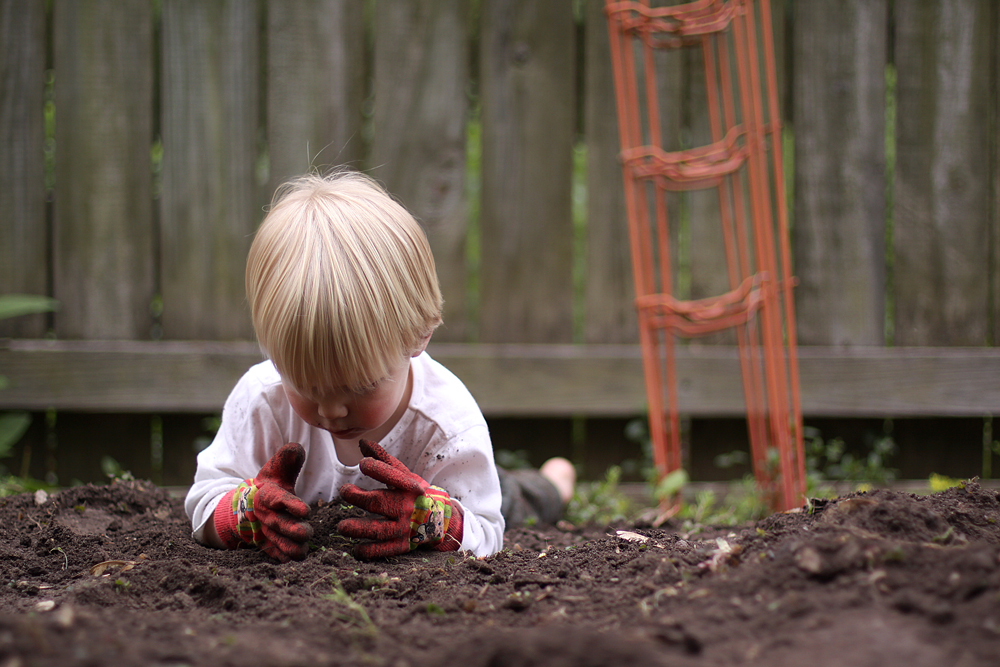
green kids gardening

Teach Them to Grow Their Own Food
Teaching your children how to grow their own produce will leave them with a skill for life. Let them pick the fruit and vegetables that they like, before helping them to build grow boxes and sow the seeds. The responsibility of nurturing their plants before harvest will teach them a valuable skill, and could be a precursor to a family pet!

Create an Indoor Garden During the Winter
Getting the kids interested in gardening during the winter months, will leave them excited and ready to hit the garden in spring. You can start small with a herb garden, before you start germinating your seeds in anticipation of planting.

Teach Them How to Compost
Although perhaps not the most exciting of topics, teaching your children how to make compost will give them a greater understanding of consumption, waste, and their effect on their natural surroundings. Start by educating them on the importance of recycling, before moving on to composting.

Hopefully the above tips will help you to get the children interested in gardening, not only will they reap the benefits; so will you.

Image via bass_nroll and theloushe used under the Creative Commons license
This post wasn’t written by me, thank you for supporting the businesses that keep Sweet Greens running!

HOW TO: 7 Steps To Grow An Organic Garden In Your Basement

It’s amazing how many organic foods you can grow in your basement. What? True story. Every January the mister starts his organic garden in our basement. It is easy to do and we get to enjoy delicious organic vegetables all winter and spring. To start your own garden in the basement, try easy growing organic vegetables such as bush beans, cabbage, lettuce, spinach and small cucumbers. Read on to get started in a few short steps.

What you will need:
  • tables
  • hanging shop lights
  • T-8 fluorescent light bulbs
  • chain
  • pots
  • organic seeds
  • organic potting soil
  • organic fertilizer
  • watering can
  • light timer
Directions:
Step 1: Start the Seeds
Start by planting organic seeds in organic potting soil and biodegradable peat pots. Then, place the peat pots in small reusable greenhouses in south facing windowsills throughout your home.

Step 2: Transfer the Seeds
Once the seeds sprout and are an inch tall, transplant them into 4-6″ pots and place them on a table in your basement.

Step 3: Hang the Lights 
Hang directly above the tables fluorescent T-8 light bulbs, suspended from the ceiling on a shop light.(The mister suspends the shop lights with an adjustable chain, which is adjusted to always be 2″ above the plants.) Then, plug the lights into a timer, we use a holiday light timer. The plants get 18 hours of light and 6 hours of darkness to rest each day.

Step 4: Water the Plants
Waters the plants once a week – once the plants are 4″ tall, start to fertilize them with organic fertilizer. (See the instructions that come with the organic fertilizer that you purchase.)

Step 5: Replant
At six weeks transplant the beans and cucumbers into 8-12″ pots. All of the other plants can stay in the 4-6″ pots.
Step 6: Add more Water
At 2.5 months, start to water the plants twice a week.
Step 7: Harvest and Enjoy
After 3 months you will have amazing vegetables that you can harvest and enjoy all winter and spring long.
Have you ever gardened inside your home?