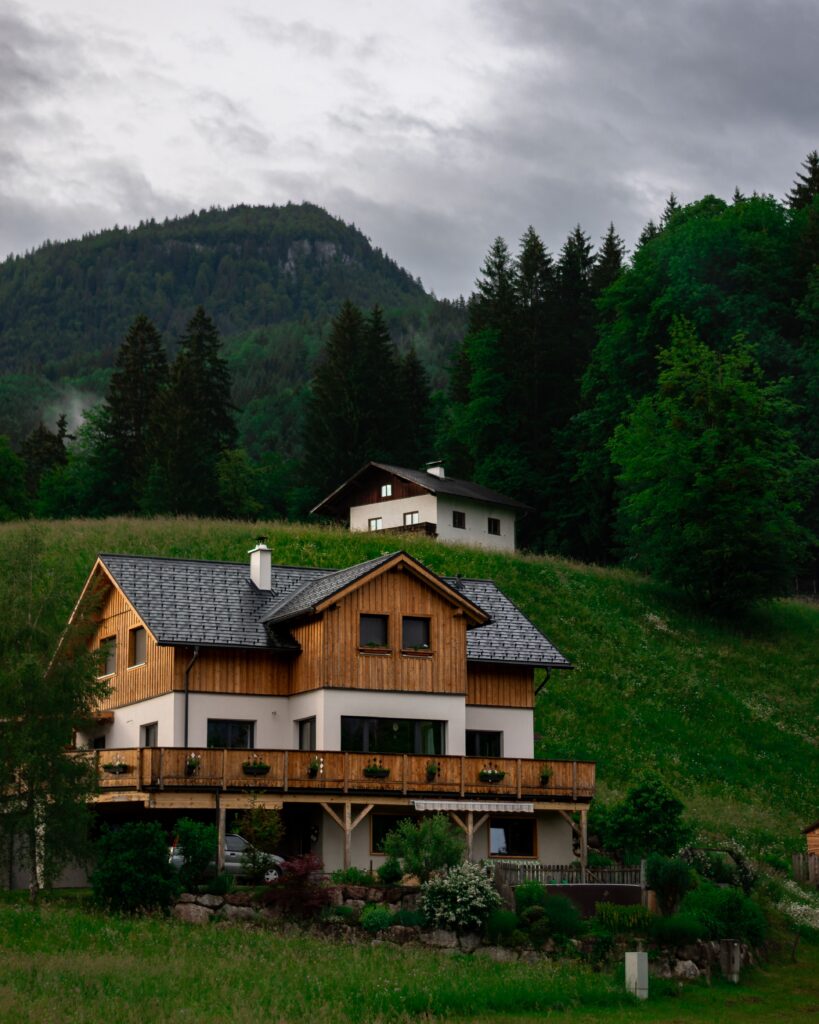
How to Prepare Your Home to Stay Cool This Summer

Have you noticed that in recent years, the summer season in the U.S. has been getting hotter? Heatwaves have not only been a common occurrence, but many have arrived earlier and stayed longer, pushing temperatures well above seasonal averages. 

For many households, that means restless nights and a constant battle to keep indoor spaces comfortable. It also means high energy consumption to try to cool down the house.

Ultimately, staying cool can be tough. Even with an air conditioning unit, it is often more than just turning it on. Ultimately, there’s only so much the HVAC can do to create a cool space, so you need to prepare your entire home to make sure you can have a comfortable summer. 

Make Sure the HVAC System Is Ready

There’s no denying that the air conditioning is typically the first line of defense against extreme heat. When temperatures spike, the HVAC system needs to work harder than at any other time of the year, which is why it’s crucial to be prepared. If the air con isn’t running efficiently, it will struggle to keep your home cool, and it will also drive up your energy bills. 

Start with the basics. Now is the perfect time to replace your air filter and clear any debris around outdoor units. You will also need to check that the vents inside your home aren’t blocked. 

Then you want to have your whole system checked by a professional before the hottest days arrive. Schedule a proper HVAC repair or tune-up to ensure everything is working as it should. This will avoid a breakdown in the middle of summer!

Use Your Garden to Create Natural Shade

Your outdoor space plays a bigger role in indoor comfort than you might think. A well-planned garden can also act as a natural cooling system by reducing the amount of heat that reaches your home in the first place. 

Trees are one of the most effective ways to create shade. You want to plant them strategically around your property so they can block direct sunlight from hitting your windows, walls, and even roof. This can work wonders to reduce heat absorption and keep indoor temperatures lower during the day. 

Besides, it’s worth considering smaller additions like an outdoor umbrella and tall shrubs that will also help cool down the immediate surroundings. 

Finally, greenery brings evaporative cooling. Plants release moisture into the air, which can slightly contribute to reducing the temperature around your home. 

Improve Insulation to Keep Cool Air Inside

Insulation is often associated with winter, but it is just as important in summer. Good insulation can help maintain a stable indoor temperature, which will prevent cool air from escaping and hot summer air from coming in.

Focus on areas where heat tends to seep in, such as the attic, south-facing walls, and around the doors and windows. This will help make indoor temperature more manageable. Additionally, insulation will also reduce your energy cost by up to 15%, which means your HVAC system doesn’t need to work as hard. 

Preparing your home for summer heat does not have to be complicated. By making sure your HVAC system is running efficiently, creating natural shade in your garden, and improving insulation, you can build a cooler and more comfortable living space. Bonus: You can also reduce your summer energy bills!

Shaping Your Perfect Garden: Must-Know Tips

Have you ever wondered how you can shape the perfect garden? Well, in this post, we provide some tips. We look at some of the ways you can combine things like personal enjoyment with practicality and beauty so you can have the best of both worlds. Ultimately, you want somewhere you can go in the evenings and on the weekends after a busy week to unwind and relax. So here’s what to do. 

Think about your lifestyle goals

When shaping your perfect garden, it’s wise to think about your lifestyle goals. What is it that you want your outdoor spaces to give you? Are you looking for vegetable production? A play area for your kids? Or somewhere to sit and enjoy a nice book?

Once you have this in mind, you can then think about the theme you want to follow. There are all sorts of different styles you can apply to your outdoor spaces, from wildlife friendly to formal and cottage. Many gardeners these days like to embrace maximalism. The idea is to have more bold layers of textures and colours in their gardens to contrast with more neutral interiors. 

Plan the layout and flow

Once you’ve done that, you’ll need to think about the layout and the flow of your garden. This is how everything comes together. Don’t try to throw in any random surprises; instead, keep the movement quite neutral. 

If you need to use arborist tree services then hire them. Find people who can shape your garden into the structure that you want. Don’t try to take down trees that are in the way yourself. Also, reduce the use of straight lines everywhere; if you can, add natural curves, and that often feels more gentle. 

Layer your plants for more depth and interest

Another thing you can do is layer your plants for more depth and interest. The most straightforward approach is to put your tallest trees and shrubs in the background and then have mid-level shrubs and tall perennials in front of them. At the lowest level, you have your edging plants, flowers, and ground cover. This creates a three-tier system that makes your garden look more expansive and welcoming.

You can also place taller elements in the middle of your garden, but only if you have enough space. If you don’t, leave them at the edges. 

Prioritize your hardscaping

Many homeowners don’t realize this, but prioritizing their hardscaping is one of the most effective and high-leverage things that they can do. Not only do elements like bird baths and benches provide focal points for the garden, but concrete slabs and stone paving make it more accessible, especially in the winter time. 

Ultimately, hardscaping is what provides the bare bones and structure of the garden and context for other organic matter to thrive. Make sure all of your paths are wide enough for you to bring a wheelbarrow down them and choose sustainable materials for better drainage. 

So there you have it, some of the ways you can shape your perfect garden. 

5 Last-Minute DIY Eco Easter Baskets for Green Kids

Can you believe that Easter is this weekend? One of my favorite parts of Easter is putting together a fun spring basket of goodies for Eben every year. This year, his basket will be full of natural and organic candies, naturally dyed eggs, a reusable water bottle, and a couple of great books.

Whether you are creating Easter baskets for your children or someone else that you love, here are 5 other baskets that I am smitten with and that can be put together last minute too!

#1: Just for Fun!
If you have younger children, they will delight in receiving a basket full of fun toys – especially wooden toys. I love these curated items from You are my Fave – the perfect combination of fun toys with just a smidgen of sweetness!

+ via You are my Fave 

#2: Nature Lover 
I love this Greenvine Basket from Pottery Barn – I think it would be a great basket that you could use year after year, changing the theme each time. It would be fun to pack with new books or card games for your child.

+ Greenvine Basket via Pottery Barn

#3: Chef’s Delight
If you have a child who loves to cook, why not surprise them with a basket full of their own cooking essentials? I would also include the ingredients to bake up a sweet treat together!

+ Chef’s Basket via Handmade Charlotte
#4:Bunny Pillows
Who wouldn’t take a bunny pillow over an Easter basket? Instead of chocolate, I would stuff that little pocket with a new book or two!

+ DIY Bunny Pillow via Willowbay 

#5: Little Farmer
This basket might be my favorite and is the type of basket that I would give Eben almost every year when he was younger. I even gave Eben a pizza garden for his 5th birthday – we planted it together and he loved it!

+ via Design Mom

Top Home & Garden Maintenance Tips: Fix Common Household Issues Fast

If you are a homeowner then you will know how hard it can be to manage and maintain your own home. This includes fixing anything and everything that breaks down, which can sometimes seem like a lot. If you have seen the iconic film money pit then you may be able to relate to this somewhat. If you aren’t quite sure on some of the common issues that you can face with your home then check out the article below to find out more. 

HVAC Maintenance

If you have air conditioning and heating running through your home then you need to schedule maintenance on this at least once a year. Your hot water system which could also be responsible for your heating can be incredibly temperamental when winter swings back around. Think about not working for a half the year and then being expected to heat a whole house, this is what causes a slight tantrum with your HVAC system. Contact your HVAC company to arrange a maintenance inspection, it is also a great idea to do this following winter before you need to use the AC. 

Sort The Garden 

How is your garden looking currently? If the answer is a little worse for wear then you might want to head out there and fix this. Your garden should be your haven and your sanctuary, somewhere you entertain guests when the weather is nice. However, you won’t be able to do this if you haven’t been taking good care of things. Head out there, mow the lawn and deal with any weeds that have grown unruly. If you have some trees or shrubs that you wish to get rid of then contact someone like Cox Arboriculture Services to come and give you a helping hand. 

Mold

Another incredibly common issue you can run into with your home is mold. This happens when you aren’t providing the right ventilation to the rooms throughout your house. For instance, if you have the heating on and it is cold outside then this will likely cause condensation on the windows. This condensation then seeps into the walls and into the loft space causing damp and mold. Ensure adequate ventilation all year around. 

Leaky Roof 

Finally, this can be a minor issue that soon turns into a major one if you ignore it. A leaky roof can end up damaging every part of your home, including the foundation which can then lead to something more serious. Subsidence. Nobody wants to be dealing with this so if you ever notice water marks on your walls, ceilings, or floors then it is time to head up to your roof for an inspection. In an ideal world you would be heading up there twice a year to check for holes or lasting damage. If you aren’t able to do this yourself then get booked in with a professional roofer who can check it out for you. 

We do hope you found this article useful and it gave you some top ideas on how you can sort out any common issues in your home and garden. As a homeowner there will always be something to deal with, however, remain calm and everything will sort itself out. 

7 Vegan Easter Basket Goodies for Eco-Friendly Kids

If you are looking for simple, sweet, and vegan treats to put in the Easter basket this year, this post is for you! Here are eight of my favorites that will make your Easter basket sweeter than usual. Wouldn’t these all be perfect for this year?