Archive | HEALTH AND WELLNESS

How Climate Change Affects Mental Health (And What You Can Do About It) 

Climate change isn’t just impacting polar bears and weather patterns. It’s creeping into therapists’ offices, restless nights, and an overwhelming sense of anxiety many people feel when looking towards the future. The link between climate patterns and mental health is undeniable and is exacerbated by excessive natural disasters and oppressive climate change news stories permeating the headlines. 

Perhaps one of the more challenging components of climate change on mental health is its insidious impact. Some face trauma from natural disasters, floods, fires and hurricanes. Others bear a less acute but lingering concern about the world’s future in ten or twenty years. Both are completely normal reactions to an incredibly abnormal and scary situation. 

How Much Is Too Much Information? 

Climate change-related mental health concerns are driven by too much information. Social media posts about destruction, documentaries on melting ice caps, public service announcements about carbon footprints create a continued sense of unfavorable information. Yet the human condition wasn’t created to constantly digest information about happenings halfway across the world. 

People feel as though climate change is too big of a problem. Even those who do their best to cut back on pollution still feel as though their efforts aren’t enough. The gap between good intentions and what’s needed to move the dial leaves many feeling helpless. Yet helplessness serves as a known precursor to anxiety and depression. 

And here’s where it gets complicated: concern for the environment is a fantastic quality to possess; however, when people become so worried about the world around them that they cannot function it’s a problem. People avoid scheduling events for the future, feel guilty when enjoying life too much, or panic when considering procreating in an uncertain world. 

Therapists in Denver who specialize in women’s anxiety and self-worth are particularly seeing how environmental concerns compound existing confidence issues. When women already struggle with self-doubt, adding climate guilt and helplessness can significantly impact their sense of personal agency and worth. 

When Climate Change Impacts Something More Than Your Calendar 

People most impacted by climate-related circumstances experience immediate challenges that impact their mental well-being, too. PTSD, anxiety, and depression are common where massive storms, flooding, fires occur – once the destruction is done. However, continued stress about clean up, insurance claims, and potential recurrence urges people’s mental health to continue to decline long after repairs are made. 

This makes sense inside the disaster zones. However, people who are otherwise stabilized report rising levels of anxiety amidst hurricane season, wildfire season, unexpected rains, and excessive coverage about “normal” climate change beyond their control. 

Heat waves, in particular, increase domestic violence, psychiatric emergency room visits and aggression. The higher the heat, the more aggressive people feel. Therefore, while discomfort is an unrealistic expectation in the name of climate change (since we shouldn’t be comfortable), it’s reflective of how our moods shift with temperature. And as temperatures continue to rise – in more ways than one – they affect everyone. 

When Guilt Keeps People Stuck 

Even guilt is a mental health issue surrounding climate change. Guilt that comes from driving to work, purchasing prepackaged food items or taking vacations boomerangs back to mental health concerns. Unfortunately, guilt perpetuates paralysis or perfectionism – but doesn’t support sustainable change. 

But guilt doesn’t help anyone change for the better. Instead, it causes people to feel bad about feeling bad; try to do all that can be done for the environment; realize perfection isn’t possible; continue to feel bad for what’s been messed up. This cycle is compounded by social media where people compare their environmental failures compared to others’ environmental successes. 

The world can support less consuming news consumption or constant comparison; however, it can’t quell realities out of people’s hands for giant negative news stories making people more stressed about life than general expectations would allow for. 

Finding A Healthy Middle Ground Without Losing Sight 

The goal is not to stop caring about climate concerns – this isn’t feasible or helpful – but rather to limit how much care can induce overwhelming anxiety that undermines mental health and world efforts. 

Setting boundaries for consuming climate change-related information reduces how much negative health trends transform people’s minds about the situation. This isn’t to say to not pay attention; instead, limit when and how climate-related news is absorbed (and from what sources) so people don’t focus on it 24/7. 

Taking action where possible – even minimal action – helps more than people realize. Studies show those who employ climate conscientious behavior have better mental health than those who only worry without acting upon that worry. The caveat? Only take suggestions that one can realistically accomplish so actions aren’t out of reach. 

Community engagement provides caring relationships and environmental benefits. Making plans with others in need of sustainability efforts helps combat isolation that’s all too common among stressed persons with climate change concerns. Collective action provides subjugation against justified frictional thought patterns telling us it won’t make a difference. 

Building Resilience For An Uncertain Future 

Coping skills for climate anxiety work similarly to other anxieties. Working towards what can be controlled instead of global catastrophes empowers people who have felt hopeless due to such psychological waste. 

Focusing on the household level or homegrown advocacy or charitable support helps realize big decisions don’t mean one needs to personally solve the matter themselves. 

Furthermore, building present-minded awareness counters climate worries that derail people’s minds from ten years down the road into worst-case scenarios. While planning ahead is good for catastrophes that can be avoided (packing an emergency bag), spending time really worrying about what life will be like then creates distress without helping what’s going on today. 

Professionals help those most impacted by how climate change concerns infiltrate daily life. Those with climate-change-based anxiety respond well to therapy approaches from other anxiety problems – with simultaneous benefits since they directly address what’s been creating anxiety responses since inception. 

Climate change creates legitimate concern that deserves careful thought and implementation; however, allowing environmental fears to undermine psychological well-being doesn’t help anyone – or communities – or the world at large. Learning how to care while supporting one’s mental health fosters opportunities for long-term care. 
Why Every Family Adventure Needs a KEEP>GOING First Aid Kit

Let’s be honest, family adventures are equal parts magic and mayhem.

One minute, you’re hiking through wildflowers with snacks packed and spirits high. The next, someone’s tripped on a rock, Olive’s (my Frenchie) stepped in a mud puddle, and Mr. Sweet Greens somehow managed to get a splinter through his glove. (True story.)

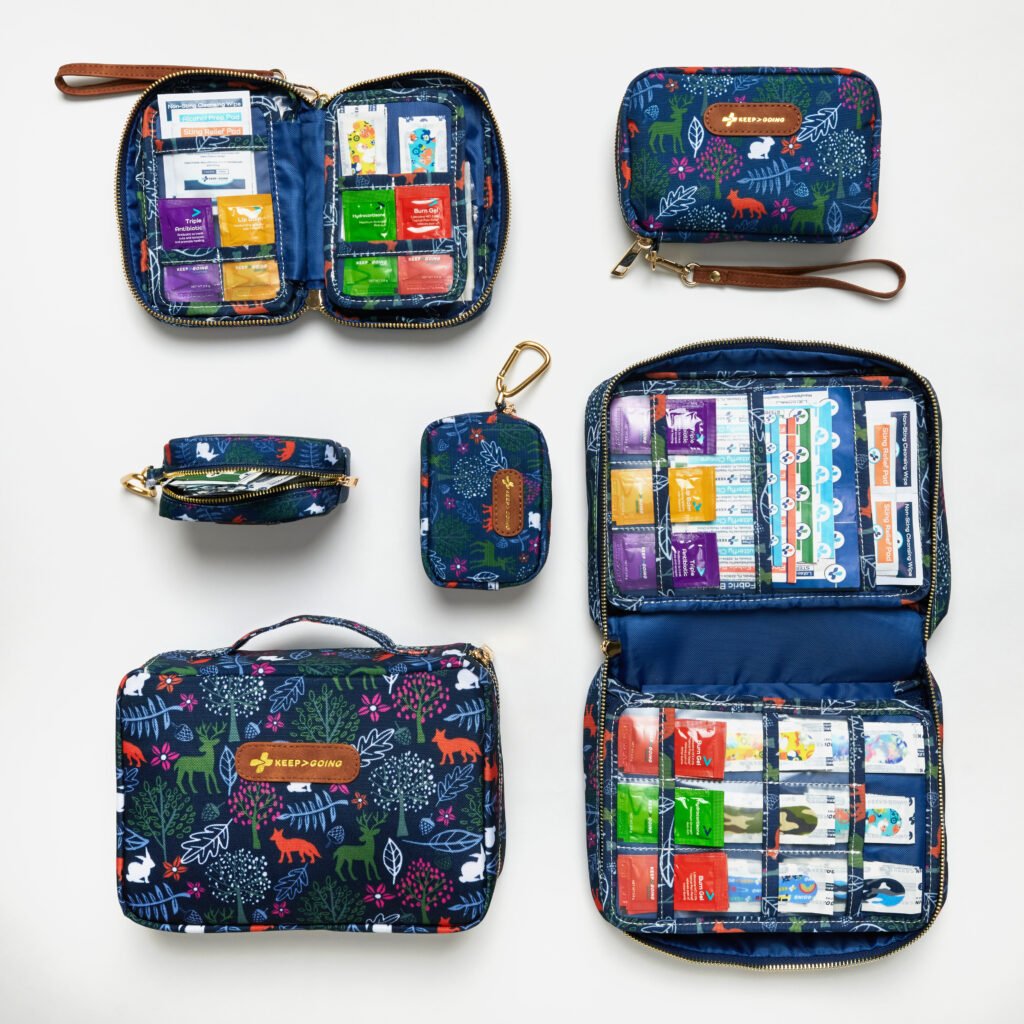
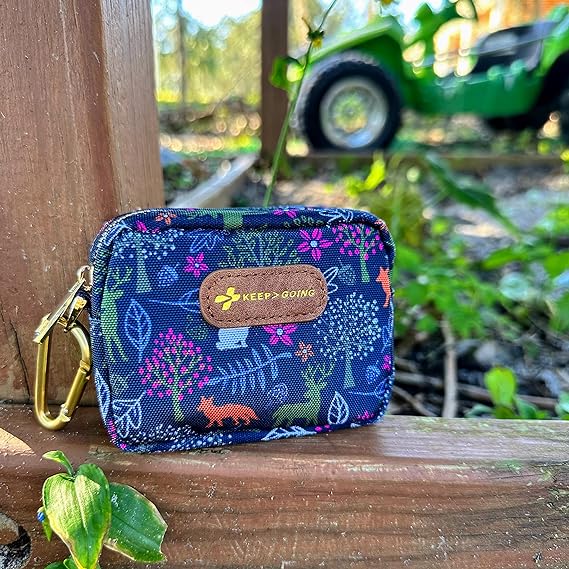
That’s exactly why I’ve fallen head over hiking boots for the KEEP>GOING First Aid Kit, a total mom-level lifesaver that’s now permanently packed in my bag, car, and RV.

Created by a fellow mom of four (so you know it’s the real deal), this kit is the perfect mix of smart design and stylish practicality. It’s TSA-approved, water- and stain-resistant, and comes with 130+ first aid essentials like burn relief, bandages, antiseptic wipes, tweezers, and even those tiny little scissors you never have when you need them most.

Basically, it’s peace of mind, zipped up in a cute case.

🌿 Why I Love It

💚 Mom-designed + travel-ready: Because no one understands family chaos better than a mom who’s lived it.
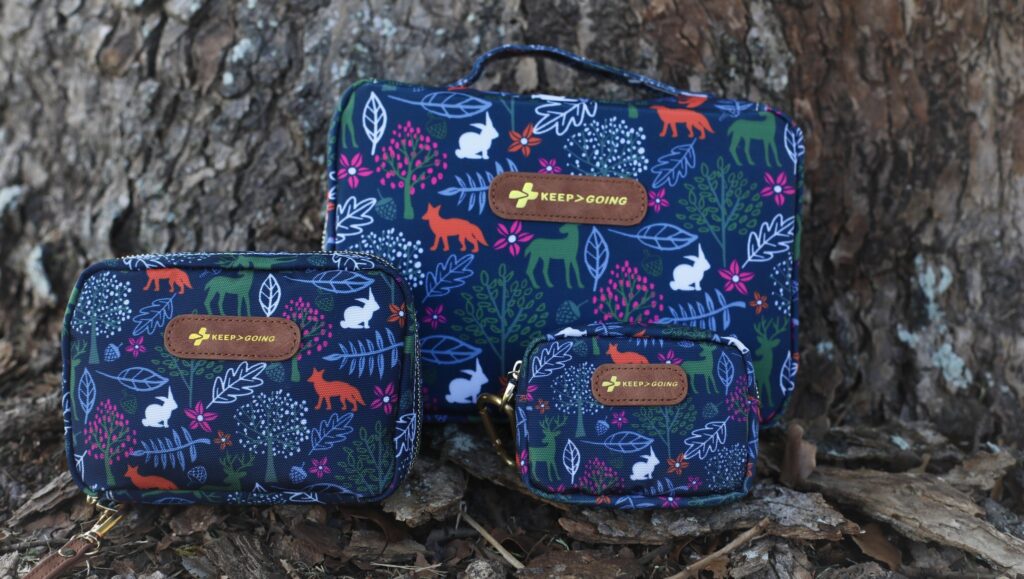
💼 Compact, stylish case: Water- and stain-resistant with trendy patterns like Tie-Dye, Woodland (my favorite!), and Tropical Blooms.
🧳 TSA-approved, Fits right into carry-ons, glove compartments, and diaper bags without taking up valuable snack space.
🩹 Loaded with 130+ essentials, From mini bandages to burn cream, it’s like having a nurse in your backpack.
🚗 Four sizes to choose from, Mini (60 pieces) to SuperKit (270 pieces), so there’s one for every adventure.

✨ 7 Everyday Adventures KEEP>GOING Was Made For

Because life doesn’t happen inside the house, it happens on the go, with messy, beautiful, unpredictable moments.

1. Mountain Hikes + Muddy Trails ⛰️

If you’ve ever hiked with kids, you already know, someone will fall. Someone will whine. Someone will ask for snacks (again and again). With the KEEP>GOING kit in your backpack, at least you’re ready for scraped knees, bug bites, and whatever nature throws your way.

2. Farmer’s Market Saturdays 🍓

Between berry sampling, lavender bouquets, and bumping into everyone you know in Banner Elk, it’s easy for small cuts or bee stings to sneak in. I keep the MiniKit in my tote, it’s adorable and functional.

3. Road Trips + Rest Stop Chaos 🚙

We’re a road-trip family. From the mountains to the coast, our glove compartment is basically a survival zone, snacks, sunscreen, hand wipes, and now the KEEP>GOING kit. Because when someone manages to get a paper cut from a map (yes, it happened), you’re prepared.

4. Picnics + Paddleboards 🏖️

Sun, water, sandwiches, and somehow… minor injuries. Between paddleboard dings and stepping on rocks barefoot, this kit saves the day every time. Bonus: it’s water-resistant, so it’s perfect for lake days.

5. Backyard BBQs + Bonfire Nights 🔥

No one plans on blisters from new sandals or mosquito bites that swell like golf balls. I set the kit on the picnic table next to the marshmallows, because s’mores and safety can totally coexist.

6. Kids’ Sports + Weekend Tournaments ⚽

Between turf burns, bee stings, and “mystery splinters,” I’ve learned it’s not if you’ll need a first aid kit, it’s when. KEEP>GOING is the MVP of the sidelines.

7. Glamping, Camping, or Cabin Weekends 🏕️

Our adventures in the Blue Ridge often come with campfires, hikes, and unexpected “ouches.” Even though Eben is grown and doesn’t camp much with us anymore, it never fails that Mr. Sweet Greens or I hurt ourselves in one way or another. OR, there’s Olive, I had to use my kit to get a tick off her on our last trip and then clean her up afterward! I love knowing I can grab my kit, unzip, and instantly find what I need (no rummaging through random Ziploc bags).

💚 A Mom-Approved Must-Have

What I love most about KEEP>GOING is how intentional it feels. Every item is thoughtfully included, the quality is top-notch, and it’s all tucked into a design that makes you want to actually use it.

And as someone who lives in a small mountain town where adventure (and nature’s surprises) are never far away, it’s become one of my favorite travel companions.

If you’ve ever found yourself with a splinter mid-road trip, a scraped knee during a family hike, or a surprise bee sting at a summer picnic, you’ll totally get why I won’t leave home without mine.

🛒 Where to Get Yours

You can find these lifesaving kits directly at keepgoingfirstaid.com or on Amazon.

They come in several sizes and a variety of stylish prints, so you can grab one for your car, your hiking bag, your diaper bag, even one for Grandma’s house.

Because life’s little adventures are a lot more fun when you’re ready for them. 🌿

So go ahead, pack your snacks, fill your water bottles, and don’t forget your KEEP>GOING First Aid Kit, your future self (and your kids’ scraped knees) will thank you.

The Warning Signs Your Senior Parent Is Struggling More Than They’re Telling You

Legacy Healing Center's luxury alcohol rehab

Most seniors are masters at hiding their struggles. They grew up in a generation that valued independence above almost everything else, and admitting they need help feels wrong to them. Your mom might be having trouble opening jars, but she’ll figure out a way to do it anyway. Your dad might forget to take his blood pressure medication half the time, but he won’t mention it during your weekly phone calls.

The problem is that by the time seniors ask for help, they’ve usually been struggling for months or even years. They’ve developed workarounds for problems that could actually be dangerous. They’ve been covering up issues that could lead to serious health complications down the road.

Changes in Personal Appearance and Hygiene

One of the first things to notice is how your parent looks when you visit. Are they wearing the same clothes they had on last time you saw them? Does their hair look unwashed or uncombed in a way that’s not normal for them? These changes often happen gradually, so your parent might not even realize it’s happening.

Seniors who are struggling often stop showering as frequently because it’s become physically difficult or scary. Getting in and out of a bathtub becomes risky when your balance isn’t what it used to be. Standing for long periods in the shower gets exhausting when you’re dealing with arthritis or other chronic pain.

Poor dental hygiene is another red flag. If your normally well-groomed parent suddenly has bad breath or food stuck in their teeth, they might be having trouble with the physical motions of brushing and flossing. Sometimes it’s a vision issue where they can’t see what they’re doing in the mirror.

Problems with Medication Management

Walk into your parent’s kitchen and take a look at their medication area. Are there pill bottles scattered around with different dates? Are some bottles nearly empty while others look untouched? This kind of disorganization usually signals that medication management has become overwhelming.

Many seniors develop their own systems for remembering medications, but these systems often fail. They might put pills in small containers but then forget what each container is for. They might skip doses when they can’t remember if they already took their morning pills.

If you’re looking for home care agencies near you to help with medication management, the earlier you start this conversation, the better. Medication errors among seniors can lead to serious health complications, hospitalizations, and even life-threatening situations.

Neglecting Household Maintenance

Take a good look around your parent’s home during your visits. Is the house noticeably messier than it used to be? Are dishes piling up in the sink? Is laundry sitting in baskets, unwashed or unfolded for days?

These changes often start small. Maybe your parent stops vacuuming as frequently because the vacuum feels too heavy. Perhaps they avoid doing laundry because carrying the basket up and down stairs has become difficult. The bathroom might not get cleaned as often because bending over to scrub the tub hurts their back.

Food safety becomes a real concern when household maintenance starts slipping. Check the refrigerator for expired items. Look for signs that your parent is eating the same foods repeatedly because shopping has become too challenging, or that they’re relying heavily on processed or takeout foods.

Social Withdrawal and Mood Changes

Seniors who are struggling often start pulling back from activities they used to enjoy. Your parent might stop going to church, cancel plans with friends, or make excuses about why they can’t attend family gatherings.

Sometimes this withdrawal happens because they’re embarrassed about their struggles. They don’t want friends to see that they’re having trouble getting dressed nicely or that they can’t drive at night anymore. Other times, they’re just too exhausted from dealing with daily challenges to maintain their social connections.

Depression among seniors is common but often goes unnoticed because family members assume mood changes are just a normal part of aging. Watch for signs that your parent seems sadder, more irritable, or less interested in things they used to care about.

Difficulty with Technology and Communication

Has your parent stopped answering their phone as much as they used to? Are they having more trouble using devices they previously managed just fine? These changes can signal cognitive decline, but they can also indicate physical struggles.

Arthritis makes it painful to hold a phone or press small buttons. Vision changes make it hard to see caller ID or text messages. Hearing loss makes phone conversations frustrating, so seniors often just stop answering calls rather than deal with the difficulty.

Changes in Driving and Mobility

Pay attention to your parent’s car when you visit. Are there new dents or scratches? Does the car look like it hasn’t been driven in a while? Many seniors stop driving gradually, first avoiding highways, then night driving, then limiting themselves to very familiar routes.

Watch how your parent moves around their home. Are they holding onto furniture more than they used to? Do they seem unsteady going up or down stairs? Are they avoiding certain areas of their house?

These mobility changes often happen so slowly that seniors adjust their routines without realizing how much they’ve limited themselves. They might stop going upstairs to their bedroom and start sleeping in a chair downstairs. They might avoid their basement or garage entirely.

Financial and Administrative Struggles

Look for signs that your parent is having trouble managing their finances or paperwork. Are bills piling up unopened? Are there duplicate purchases, suggesting they forgot they already bought something? Have they mentioned getting confused by phone calls from people wanting money?

Seniors struggling with cognitive changes often become targets for scams because they can’t process information as quickly as they used to. They might agree to services they don’t need or give out financial information over the phone.

Taking Action When You Notice These Signs

The key to helping your parent is approaching the conversation with respect for their independence while expressing genuine concern for their safety and well-being. Most seniors will resist help at first, but they’re more likely to accept it when they understand that getting support now will help them maintain their independence longer.

Start by acknowledging what your parent is doing well while gently pointing out areas where some assistance might make their life easier. Focus on how help with certain tasks will give them more energy for the activities they truly enjoy.

Remember that these warning signs don’t appear overnight. Your parent has probably been managing these challenges for longer than you realize. The sooner you can have an honest conversation about getting some support, the better you can work together to keep them safe, healthy, and living on their own terms.

Stay Cool, Naturally: Otella Cooling Body Spray Is My New Summer Must-Have

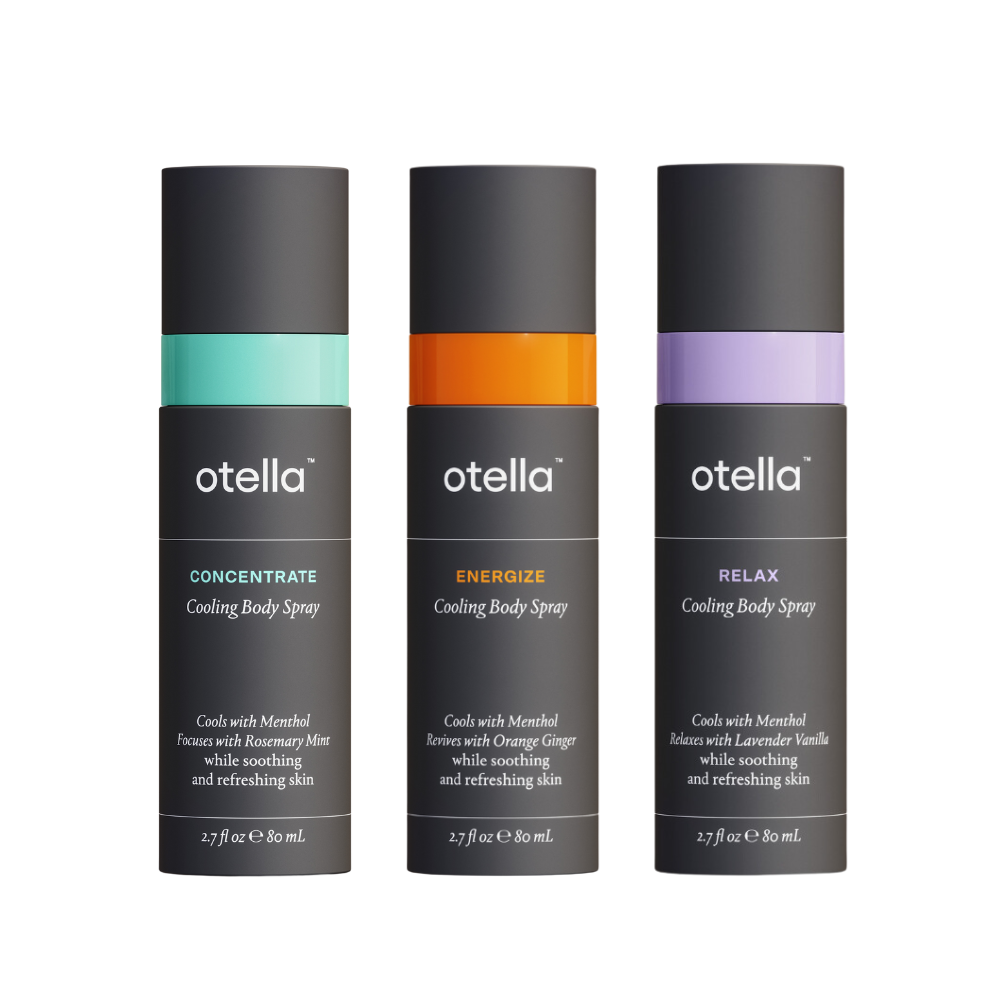
Let’s be real, summer is gorgeous, but it’s also sweaty, sticky, and nonstop. Whether I’m running errands in the heat, hiking with Jayson, or heading to the farmer’s market in Banner Elk, I’ve found a new little lifesaver that’s earned a permanent spot in my bag: Otella Cooling Body Spray.

With just one spritz, Otella brings this instant, spa-like chill that recharges your whole mood. It’s clean, refreshing, and exactly what I didn’t know I needed to survive long, active summer days.

🌿 Why I Love It:

  • 💧 Instant cooling relief (seriously, it works)
  • 🚫 No sticky or greasy feeling
  • 🌱 Clean, skin-friendly ingredients
  • 👜 Purse-, backpack-, glove-compartment-friendly
  • 🧘‍♀️ Light, fresh scent that never overwhelms

I’ve used it during road trips, while walking Olive around the neighborhood, between client calls on our porch, and after sweaty summer pickleball games. It’s the perfect quick reset.

☀️ 7 Summer Adventures Otella Was Made For

You know I’m all about simple, intentional summer fun. If you’re looking to make the most of the season and stay cool doing it, here are a few of my favorite activities, with Otella in tow:

  1. Morning Farmer’s Market Wanders 🍓
    Start early, beat the heat, grab some local veggies, and freshen up with a spritz before heading to brunch.
  2. Picnic Hikes + Paddleboard Breaks 🚣
    Pack lunch, take the long trail, and keep Otella in your backpack for a mid-hike refresh.
  3. Backyard Movie Nights 🎬
    Set up a projector, grab your lawn chairs and snacks, and mist yourself when the air gets sticky.
  4. Outdoor Yoga or Stretch Sessions 🧘‍♀️
    After that final savasana, cool off instantly, bonus if you’re barefoot on the grass.
  5. Beach Days & Lake Dips 🏖️
    Between swims, snacks, and sun-soaked lounging, Otella is like your personal ocean breeze in a bottle.
  6. Summer Road Trips 🚗
    Keep one in the glove compartment and spritz when you roll into a new town or scenic overlook.
  7. Porch Sitting with Iced Tea 🍹
    Add a cooling mist to your evening wind-down. Sip, spritz, repeat.

💚 Clean Comfort You Can Trust

Otella is thoughtfully made with clean ingredients, no artificial junk, just gentle freshness. It’s perfect for busy parents, travelers, outdoor lovers, and honestly, anyone who’s just plain hot.

And yep, it’s available at Otella, so you can snag one (or three) without leaving your air-conditioned comfort zone.

Summer’s Hot. You Don’t Have to Be.

Whether you’re chasing kids, hitting the trail, or winding down on the back deck, Otella Cooling Body Spray is your low-effort, high-reward way to stay cool, calm, and collected all season long.

Because feeling fresh doesn’t have to be complicated, it just takes one spray. 💦🌿✨

Soothe, Stretch, and Sit: Why the Hugger Mugger Bolster and Meditation Cushion Are My Wellness Essentials

If there’s one thing I’ve been leaning into more this year, it’s slowing down on purpose.

For me, that means making time to stretch before the day starts, sip my tea a little slower, and return to small rituals that nourish my body and my mind. Whether it’s a few yoga poses on the deck or five minutes of quiet breathing before bed, having the right tools has made all the difference. And lately, my self-care toolkit revolves around two absolute favorites: the Round Yoga Bolster and the Zafu Meditation Cushion from Hugger Mugger.

Support That Feels Like a Hug
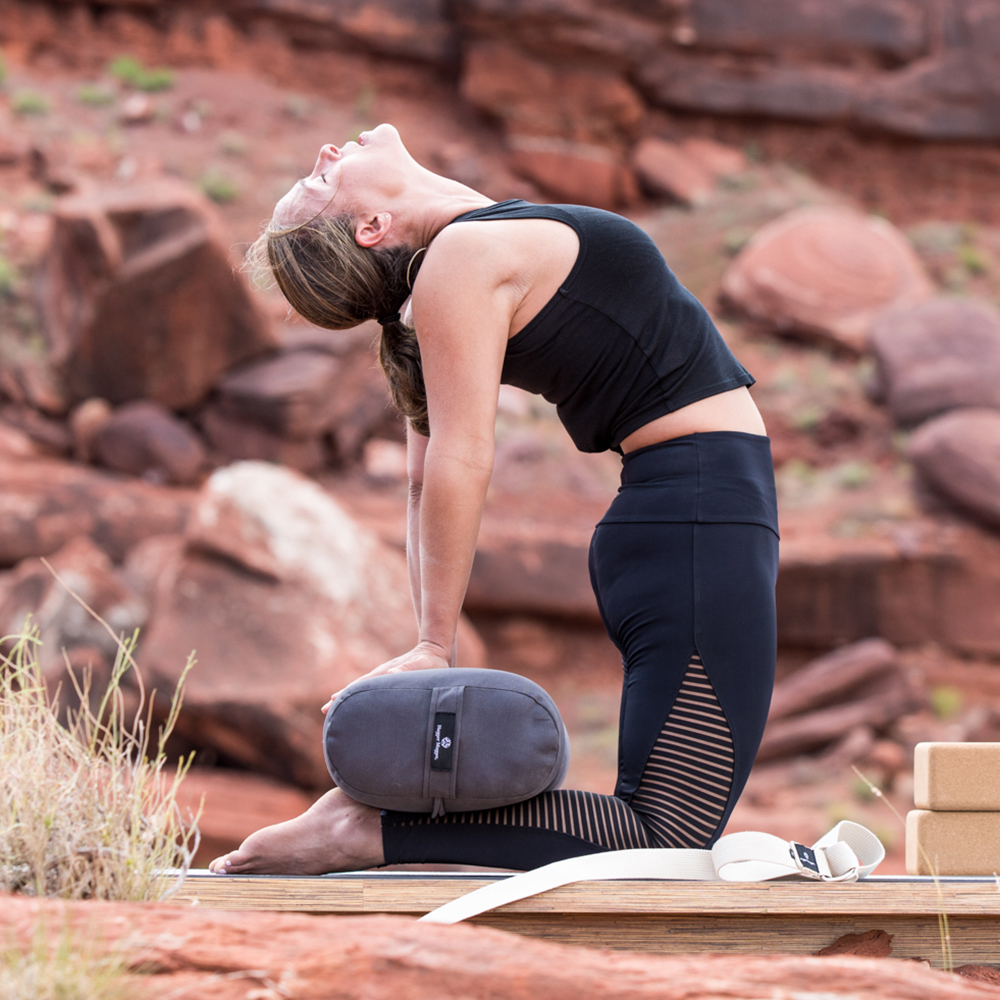
Let’s talk bolsters. If you’ve never used one, think of it as your yoga mat’s softer, squishier sidekick. The Standard Bolster has this firm-but-comfy vibe that makes it perfect for everything, under your knees in Savasana, across your spine for heart-openers, or supporting your hips in Child’s Pose. I especially love it when I’m reading or doing a gentle restorative flow. It’s like bringing the spa home.

It’s rectangular, super stable, and beautifully made with long-lasting, upholstery-grade fabric (mine’s a deep, grounding hue that looks gorgeous in my sunroom).

🧘‍♀️ Meditation Made Comfortable
The Zafu Cushion might be my favorite little luxury right now. It’s filled with organic buckwheat hulls, which mold perfectly to your body while supporting healthy posture. I use mine not only for meditation but also for journaling or quiet mornings with a warm drink. It lifts your hips just enough to keep your spine tall and your legs comfy, no more tingly feet or slouching halfway through your “me time.”

Plus, it has a convenient handle, so it travels well from room to room (or to the porch for sunrise meditations).

🌿 Designed for Comfort, Built with Care
Hugger Mugger’s whole approach is rooted in sustainability, wellness, and longevity. They’ve been around since 1986 and are known for crafting high-performance yoga and meditation gear that’s free from heavy metals and phthalates, and built to last.

I love that their bolsters and cushions are made in the USA, thoughtfully constructed, and offered in a rainbow of earthy, uplifting colors that make your space feel sacred and serene.

Why These Belong in Your Daily Routine
Even if you’re not a hardcore yogi or regular meditator, the bolster and Zafu cushion are beautiful additions to any wellness practice. Use them for:

✔️ Supported stretching or gentle yoga
✔️ Quiet reflection or mindfulness
✔️ Creating a cozy corner for reading or resting
✔️ Encouraging better posture while sitting

They’re the kind of everyday tools that gently invite you to slow down, breathe a little deeper, and create space for calm, even if it’s just for five minutes.

Ready to Add a Little More Ahhh to Your Routine?
You can find the Standard Yoga Bolster ($97.95+) and Zafu Cushion ($68.95+) at HuggerMugger.com, or shop them through Amazon, Nordstrom, and Free People.

Because wellness doesn’t need to be complicated. Sometimes, all it takes is a little cushion, a deep breath, and a quiet moment to reconnect.

Namaste, friends. 🌿✨