
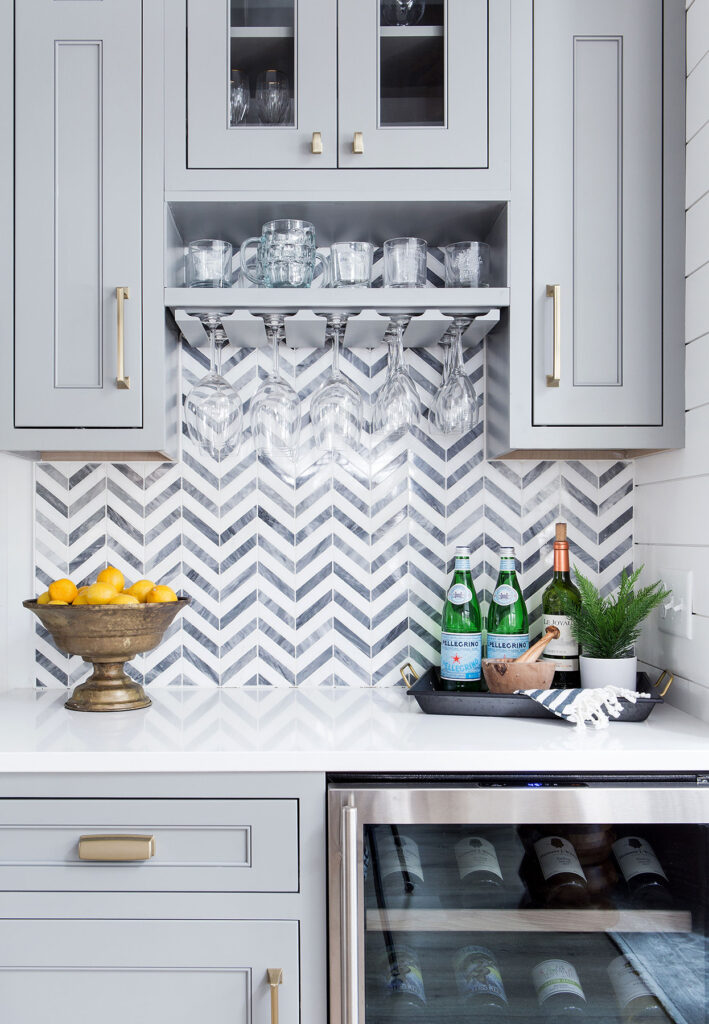
Compared to constructing a new house from scratch, remodeling a home creates significantly more waste. This waste is destined for landfills, where it will contribute to pollution. Additionally, the cost of destruction, replacement supplies, and the eventual disposal of discarded construction materials all add up. You can cut down on the amount of waste generated during your home remodeling by planning ahead and following a few basic principles. Read on to find out more.
Design Well
Waste is often viewed as unavoidable, built into a construction budget with no meaningful effort made to decrease it. Raising the problem with your architect, designer, or builder early on allows them to make design changes that save waste later on.
Designing with material proportions in mind is a simple early choice that drastically lowers waste. If your ceiling height does not match the height of the plasterboard sheet, you will wind up with a small little strip that must be cut out of a whole sheet. Obviously, not all materials will complement one another at their regular sizes (and you need to fit your renovation to the existing house). However, clever trade-offs may be made via attentive design, decreasing total waste. One way this could work would be to use square floor tiles rather than a large carpet – even if you do need to cut them to size, there will be far less waste.
Use Second Hand
Although there is no such thing as second-hand paint, for example, there might be the chance to find some other pre-loved items that you would otherwise have bought new. For the most part, this will mean furniture and other décor, so while you are thinking of what you might need, take a look at second-hand websites and stores nearby. You might even see something that helps you finalize your design plan.
If you can buy used items where possible, then even if you do need to buy some brand new things, the waste still won’t be as high as it otherwise would be.
Choose Materials Carefully
High-quality materials last longer, requiring less maintenance in the future. Choosing manufacturers that utilize minimal packing lowers waste (be careful to distinguish between minimal and inadequate packaging since the latter might result in your item breaking).
In other words, even if it costs you more initially, buying better quality items (ideally from eco-friendly sources) means you’ll save money in the long term because you won’t have to keep replacing elements of your renovation, and you’ll produce less waste as you won’t be throwing so much out.
Sell What You Don’t Use
As we mentioned above, sometimes it’s inevitable that you’ll have some waste when carrying out renovations. Whether that’s leftover board, some paint, or even some tools you’re not going to need anymore, why not sell them to someone else or give them away if you prefer?
When you do this, someone else can make use of them and not have to buy anything brand new, and your waste won’t go to the landfill.
No comments yet.