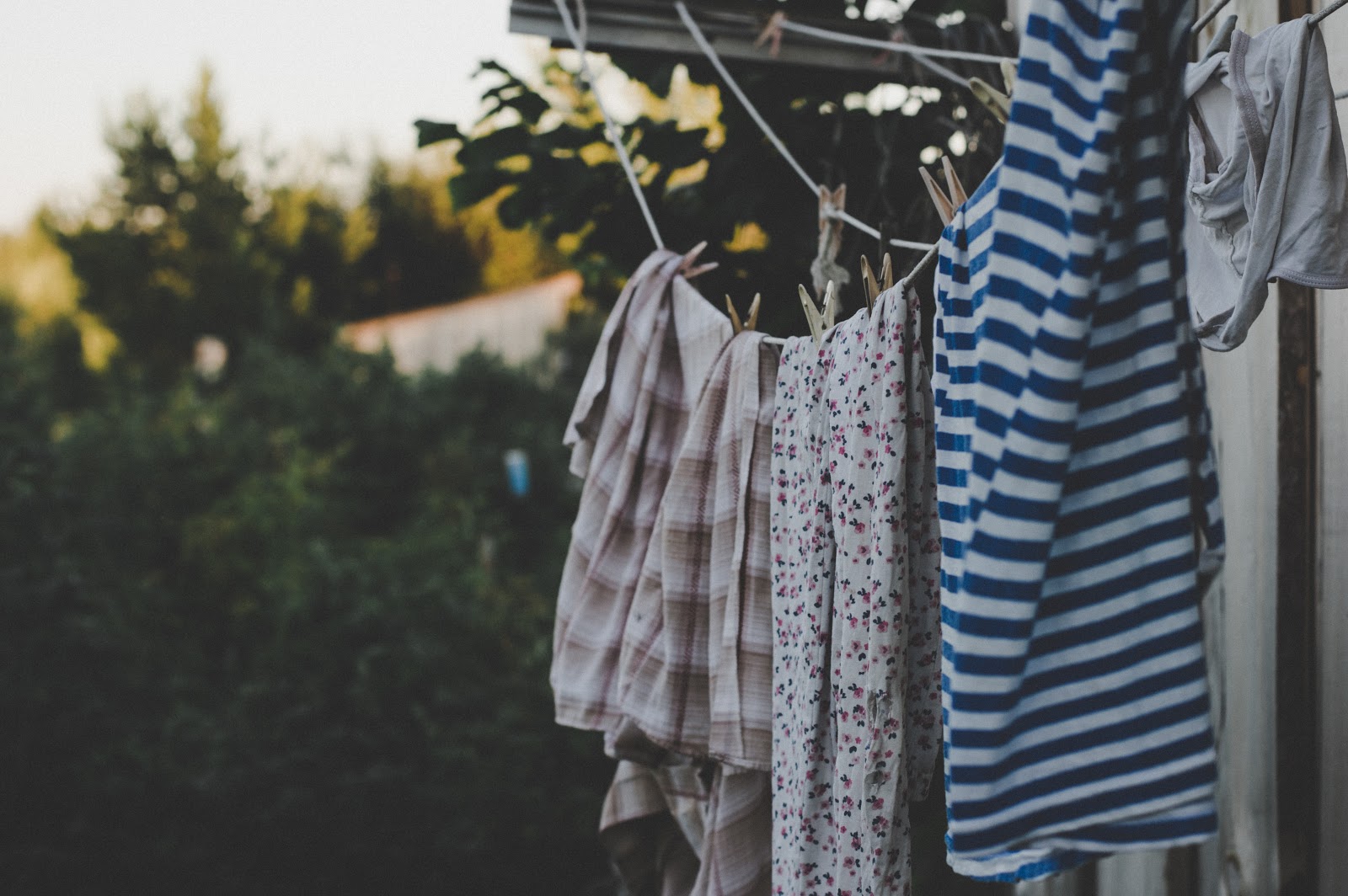
Why Is Everyone Seeking Out Organic Clothes?

Why Is Everyone Seeking Out Organic Clothes?

We’re all looking for ways to become more natural and organic in our general consumption. Of course, once you factor the costs into your budget, it’s relatively easy to go organic and all-natural in terms of your diet. There are plenty of different organic brands available at the grocery store, as well as stores that only sell organic food products. And there’s a reason why grocery stores have come to offer this type of food so readily. There is a huge demand for organic food, as many consumers have come to realize its benefits.

For one thing, organic products are much healthier for us than non-organic products, as they lack the types of pesticides and growth hormones used to treat the typical types of food products you’ll find in the store. There is also a moral factor that needs to be kept in mind. Organic food, whether it’s made up of meat or vegetables, can be ethically sourced much more easily than non-organic products. This means that the animals involved in the production process were treated humanely and the employees involved in the processing or preparation stage received fair wages worked in fair conditions. Now, it’s one thing to keep these issues in mind when buying your food. Although not all organic food is ethically sourced, you can probably find ethically sourced, organic groceries relatively easily. Organic, ethically sourced clothing can be much more challenging to find.

Many people aren’t even aware that clothing can be organic. In this day and age, many of us buy fast fashion. Not only are fast fashion products made from synthetic materials like plastics that can be harmful to the environment and even our own bodies, but they feed into a system that is detrimental to thousands of people worldwide. With that being said, if you want to make an effort to buy organic clothing from ethical sources, you’ll have to make an effort and a change. With that being said, let’s look into what you should look for and how you can change your shopping habits to buy more organic, ethically sourced clothing.

What Is Organic Clothing?

You’ll have a hard time buying organic clothing if you don’t know what you’re actually looking for. Not all clothing is advertised as organic outright, although many clothing lines do market themselves as “clean” or “green”. Just because a particular apparel line is marketed this way, however, does not mean that it’s truly organic — and not all organic clothing is ethically sourced. Therefore, if you have any questions you should look up the clothing line before you buy, perhaps checking up on it through websites like Trustpilot.

Organic clothing ultimately isn’t very different from organic food. As many clothing textiles are made from agricultural products, organic clothing is made with the assurance that the clothes’ materials will be grown in accordance with organic standards. Organic standards require that the agricultural materials are grown as naturally as possible, with little or no synthetic substances. You can expect the types of textiles used to make organic clothing to include silk, wool, cotton, ramie, or jute. This means that a wide variety of clothing types can be made organically and whether you’re looking for women’s clothes — the number one top-selling item online as of 2017 — or men’s clothes, or even children’s clothes, you can probably find it organically made. With that being said, not all textiles have to be completely organic to be considered a part of organic clothing.

Is Organic Clothing More Expensive?

As with many clean or green products, there is a perception that organic clothing is inherently more expensive than typical clothing. It’s true that the materials used to create organic clothing is often of a higher quality and therefore it costs somewhat more. The point of fast fashion, in contrast, is for it to be made for as little as possible so that it can be sold at a high markup, achieving the maximum profit. Of course, the cost of relying upon clothes that are environmentally unfriendly should be considered.

While organic clothing may be more expensive than clothes sourced through fast fashion, you could consider it an investment in the environment, just as buying organic food is. Of course, clothing is a much longer-term investment than the food and it’s a more long-term investment than fast fashion as well. Organic clothing is, as previously mentioned, made from high-quality materials. Alpaca fibers, for instance, are rather strong and usually measure about 50 N/ktex. This strength means that clothes made from these fibers will typically last longer. For that matter, organic clothing looks no different from many high-end pieces that are not organic. If fast fashion isn’t to your taste and you’re already spending a good amount of money on clothes, why not redirect your buying power to organic clothing?

Where Can I Buy Organic Clothing?

As people become more concerned about being environmentally friendly, more organic clothing lines are coming into play. Shift to Nature, Kowtow, and Beaumont Organic are all organic clothing brands — though not all of them are found in the United States. Fortunately, even if you have to look internationally to find organic clothing, the internet is making them easier than ever to find. In 2017 alone, around 79% of American consumers reported shopping online. And as most new fashion shoppers are in younger age brackets — between 16 to 24 and 25 to 34 — we’ll see all types of clothes online in the future!

There are so many reasons why people are looking for organic clothing — and that’s a good thing. Know it is an option for you if you want it to be!

A Beginner’s Guide to a Lush Eco-Friendly Home Garden

NOTE FROM SWEET GREENS: Thank you for supporting the companies that keep Sweet Greens in business.
——————————————————————————————————————————————————————

Each spring, many environmentalists and lovers of nature find themselves in their backyard, knees covered in dirt, starting their own home garden. However, a few shovels of dirt in, they realize they have no idea what they’re doing.

Sound like you? That’s okay! You’re not alone!

If you’ve ever owned a plant, you’ve learned that they require time and love in order to thrive, in fact, there’s quite the science behind it. As one might expect, gardening also requires dedication — oh, and the proper amount of sunlight and water (not too much and not too little), the perfect soil mix in a pot that’s just the right size, and so much more.

You get the drift — raising a lush home garden isn’t as simple as it seems, which is why gardeners often run towards expensive watering mechanisms, toxic chemicals and pesticides, and so on. But, fear not! If you’re a beginner home gardener looking for some eco-friendly home gardening techniques, we’ve got you covered!

Creating an eco-friendly garden can be made easier with these simple tips and will lighten your carbon footprint, leave you healthier than ever before, and create a special haven out of your backyard space. 

Let’s get growing!

1. Location is Everything

The first step to growing a beautiful home garden is picking the right spot in your outdoor space. It could be a plot in your yard or a wall on your balcony — as long as it gets the right amount of sunlight, you’re good to go. Different plants require different amounts of sunlight, so as you’re picking your location consider what kinds of plants you want to grow. This tip seems simple, but it’s very important and will keep you from wasting time, energy, and water on a garden that was doomed to fail from the start. 

2. Get Organic Seeds

Many home gardeners forget this important step as they are planning out their gardens, which can result in produce that’s just as bad for you and the environment as that bought at the supermarket. In order to ensure your garden is helping your carbon footprint, instead of hurting it, opt for growing non-GMO seeds and using only organic soil in your garden.

3. Companion Planting

In order to avoid the need for nasty pesticides and insect repellents, plant similar and complementary species of plants next to one another. Known as ‘companion planting,’ this method includes the use of other plants to deter hungry insects and harmful diseases. Companion planting guides can be easily found online!

4. Get Creating with Your Trash

You know the old saying — “One man’s trash is another man’s planter!” Okay, that may not be exactly right, but reusing your old plastic bottles and containers is a fun way of creating an eco-friendly garden! Convert your trash into planters, make little seedling covers from the base of plastic bottles, or poke small holes in containers to create a makeshift sprinkler system or Plumber Queanbeyan to help you!

5. Start Composting

Stop throwing away your organic food waste and start using it to create healthy, organic soil for your garden! Not only will you be reducing waste, but you’ll also be saving money and reducing your plastic use by not having to buy fertilizer. Start by buying a small container from a thrift store to keep around your kitchen. Everytime you cook, throw your organic, compostable scraps in the bin until you have enough to sow into your larger compost pit or bin.

6. Save on Watering

Having a lush and healthy home garden can cost you (and the environment) when it comes to water use. There are some simple ways to conserve water and keep your garden as eco-friendly as possible. This one’s simple — if possible, choose plants that will require less water. Next, avoid spending money on complicated and expensive watering systems — not only are you at risk for overwatering and damaging your garden, but there are several innovative (and cheaper) watering systems to adopt instead. One option is installing rain water barrels that will collect rain water to use later in your garden. You can also reuse water that is collected from showers and sinks (as long as you aren’t using harmful shampoos and soaps). These simple watering hacks will help you save money and the environment! 

It may seem like a lot of work, but the benefits of creating a truly eco-friendly home garden will quickly outweigh the time and effort! So stop reading and start planting

Eco-Friendly Ways to Keep Household Pests at Bay

If you own a home, you’ve probably invested a lot of time (and money!) to ensure that your prized belongings and loved ones are protected. But no matter how much you paid for your home — even if your Manhattan condo cost $1.9 million, like the average unit in an existing building did during 2017 — there’s no guarantee that your domicile won’t be invaded by unwanted guests. And we’re not talking about distant family members who want a place to crash during the holidays.

No, we’re talking about pests. You may love all creatures great and small, but that doesn’t mean you should allow certain insects or rodents to take permanent refuge in your abode. On the other hand, you may not want to hire an exterminator, either. Although 68% of all pest control service revenue in the U.S. came from residential services in 2015, the majority of pest control companies will use methods that could harm the environment (as well as cause undue harm to the animals in question). So what’s the alternative? If you want to eliminate pests in a way that supports environmental sustainability, there are a few methods to keep in mind.

DIY Repellants

If you’re trying to keep bugs out of your garden or out of the house, there are natural ingredients you can use to achieve your goals. Make a safer pesticide to keep away small insects by combining vegetable oil and a mild soap (or just soap and water in a spray bottle). Garlic and water can be combined to keep away slugs and snails, while a chili pepper spray can deter all kinds of garden pests and predators.

In the home, try making your own ant traps by combining water, sugar, and Borax. Cayenne, citrus oil, mint, cloves, lemon juice, and coffee grounds will also keep ants away. Catnip and boric acid will stop cockroaches in their tracks, as will diatomaceous earth (which will also get rid of fleas, ants, silverfish, ticks, bed bugs, spiders, house flies, and a whole assortment of other bugs). If you’re tired of dealing with mosquitoes, herbs like sage, rosemary, and Thai lemongrass can work wonders, as can Neem oil. For flies, try cloves, eucalyptus, bay leaves, or basil, as well as a DIY flypaper made from syrup, granulated sugar, brown sugar, and craft paper. Dried lemon peels or sachets made from cinnamon sticks, cloves, bay leaves, eucalyptus leaves, lavender, peppercorns, or wormwood will repel moths, while ingredients like citronella oil, peppermint oil, castor oil, or crushed onions will drive rodents away.

Creative Landscaping

In addition to cooking up solutions in your kitchen, you might also want to consider making changes to your landscaping. Not only can landscaping add up as much as 14% to your home’s resale value, but it can also discourage pest activity in certain cases. If you’re worried that your garden could be overtaken by unwelcome creatures, floating row covers can protect your plants from harm. You might also want to invite the presence of other animals — like ladybugs, praying mantises, or nematodes — to ensure your garden thrives. Some plant species can also keep pests away. Marigolds and nasturtiums, for example, can act as natural insect repellants. Daffodils, sweet pea, lavender, grape hyacinth, amaryllis, catnip, wormwood, and mint are just some of the plants that can repel mice and rats.

Keep in mind that large shrubs and thick vegetation provide both food and shelter for pests. Overgrown branches and other plants that are located close to your home can provide a way for pests to get inside. Be sure to keep up with pruning and other forms of landscaping maintenance to minimize opportunities for pests to find their way in. If you use mulch in your landscaping, be sure to start fresh every year; otherwise, this provides a welcome habitat for pests. Remember to remove all standing water to minimize the likelihood of mosquitoes and other creatures hanging around.

Regular Cleaning

Another good way to discourage pests is to make thorough house cleaning part of your regular routine. Vacuuming, decluttering, and washing linens at higher temperatures can be highly effective. Even mattresses and pillows should be vacuumed regularly. Steam cleaning can act as a safe alternative that will get rid of bugs without exposing your family to harsh (and potentially toxic) cleaning agents. Frequent cleaning and tidying up will minimize how much food pests can find to live off of and can allow you to zero in on vulnerabilities in your home to ensure pests never come in.

Even if you’re eco-conscious, no one should have to deal with the potential health risks posed by certain pests. And while almost 90% of us will be faced with our own body issues, all of us will be faced with how to go about pest control in an eco-friendly way. With these tips in mind, you can alleviate the need for conventional and harmful pest control and use tried-and-true methods that will protect both your loved ones and the environment.

How to Reduce Your Waste and Start Living a Greener Life in 2020

Whether you like it or not, it’s become apparent that Americans really need to embrace going green. And while U.S. businesses are starting to embrace eco-friendly methods as a means of appealing to consumers and keeping up with the competition, protecting the planet typically starts at home. In fact, Americans threw out over 258 million tons of municipal solid waste (or discarded trash) in 2014. A separate study estimates that Americans throw out seven pounds of trash per person every day — or 2,555 pounds of materials per person every year.

But unnecessary waste doesn’t merely refer to garbage. We also regularly waste electricity, water, and heating energy without a second thought. Whatever your green goals, there’s no better time to tackle them than the new year. If you want to make good on your environmental resolutions in 2020, here are some simple ways to reduce waste and start living a greener life.

Let There Be (LED) Light

Reducing waste doesn’t have to be hard or expensive. Start by switching out your traditional lightbulbs for LED ones. The U.S. Department of Energy maintains that LED lighting has the potential to reduce nationwide energy usage by nearly 50%. By using LED bulbs, you’ll need less energy to light your home, lower your monthly bills, and end up saving money in the long run (as LED bulbs last longer than incandescent bulbs).

Of course, you should still make an effort to turn off lights when you leave a room or go out of the house. If you’re going away, invest in a timer so you don’t waste too much energy while you’re gone. Be sure to unplug electronics and appliances while you’re at it, as these can drain energy sources even when they’re not in use. These steps are simple enough once you make them a habit — and since you’ll be financially benefitting at the same time, they’ll be easy to remember.

Pay Attention to H2O

We tend to take water for granted, but this precious resource needs to be protected. For one thing, you should make an effort to locate and fix any leaks. If an undetected leak continues for a year, you could waste thousands of gallons and approximately $164.50 (or more, in some cases). Even if your home doesn’t have any plumbing leaks, you’ll still want to be more cognizant of your water usage. Be sure to run the washing machine or dishwasher only when full, as this will save water. Keep in mind that washing in hot water will require more energy, so washing your clothing in cold water is a good idea when possible. Of course, you’ll need to use hot water when washing dishes, but make sure to shut off the faucet when washing by hand. You should also consider taking shorter showers and turning down the temperature on your water heater. Data shows that 15% to 25% of all energy consumed within a home is due to a running water heater. You can probably stand to lower the temperature (it should be no higher than 120 degrees Fahrenheit) to save energy without sacrificing your comfort.

Get Ready For Winter

Winter has only just begun, but you’ve probably started feeling the effects in your home. You might already be cranking up the heat — and if your home has leaks or cracks, your HVAC system is probably working harder than necessary. It’s a good idea to keep your thermostat on the lower end in order to save energy. But if heat is escaping, you’ll have a hard time being comfortable. If you haven’t already, make an effort to seal any vulnerabilities to keep the warm air inside. You might also consider adding extra insulation or upgrading your windows. And while the winter isn’t an ideal time to get a new roof, choosing the right roofing material can help you save as much as 30% on your home’s energy needs. In other words, you might want to get started on the process now and at least schedule an upgrade to prioritize greener living in 2020. You might also want to take this opportunity to have your HVAC system serviced, as you may be able to avoid problems this season if you’re proactive.

Be Smart When Shopping

Water and energy waste are big problems, but food waste should also be a major concern. The USDA estimates that 30% to 40% of the nation’s food supply is wasted. That means most Americans need to be more intentional in how they shop, how they cook, and how they eat. Organic is typically best in most cases; in SEO, it’s over five times better than paid search ads, and it’s usually the higher-quality option in the grocery store, too. But if you’re not using that organic food and end up throwing it away, that’s a huge waste.

It’s a good idea to stick to a list and buy only what you need. If you plan out your meals in advance, this can help you to prevent impulse buys and make sure you use everything possible in the fridge. Try to stick to multi-purpose items that can be used in a variety of ways throughout the week, rather than specialty ones that might be allowed to go bad. Whether you prep your meals each Sunday or cook every night, mapping out how you’ll shop and eat can help your family reduce food waste next year. While you’re at it, bring your own reusable grocery bags to go plastic-free and make sure to invest in reusable food storage containers. In general, cut down on single use plastics at home to reduce the other items you’ll throw away.

Repair or Buy Used

Another good way to reduce waste is to take stock of what you already have. If you have a piece of furniture that’s seen better days but is structurally sound, you might consider having it professionally cleaned or repaired. It’s recommended that you have upholstery cleaned once a year anyway (though you should try to ensure the cleaning methods used are eco-friendly!), but you might even consider having a piece reupholstered with vintage fabric or fixed using reclaimed wood. Appliances and electronics may also be repairable, so don’t be so quick to throw them out and buy new. Shoes and clothing can often be fixed, as well, particularly if the problem is something like a zipper or a heal. By having these items repaired, you’ll be able to keep them out of landfills, save money, and support local businesses.

While it might not be realistic for your family to get your waste production to zero, it’s simpler than you think to reduce it. By keeping these tips in mind, you can go a lot greener in 2020 without much effort.

5 Budget and Eco-Friendly Holiday Gift Shopping Tips

5 Budget and Eco-Friendly Holiday Gift Shopping Tips Sweet Greens

While this time of the year is the most wonderful  – it is also the busiest. You may feel like there are so many things that you need to prepare and buy and deciding where to start can be overwhelming. Instead of getting things done ahead of time, many of us tell ourselves we will get everything done when the holidays get closer. Then, the next thing you know the holidays are upon us and we end of spending too much money, getting completely stressed out, and not making the best choices – not exactly the feelings that you want to experience. It happens to the best of us, right?To get your holiday shopping off on the right foot, I thought I would share my favorite budget and eco-friendly holiday shopping tips. These are all tips that I use every year to make sure that this time of the year is definitely the most wonderful without breaking the bank or losing my head!

1. Make a List – Check it Twice
Every year, I create a simple holiday gift list in my iPhone. It includes the name of everyone on my holiday shopping list, gift ideas for each of them and my spending limit per person. Since my list is on my phone, I can consult and update it at anytime. Then, I mark off each person as I finish their holiday gift shopping. This has saved me a lot of time and money and I never have to ask myself – did a buy a gift for so and so? Or, how many gifts did I buy for Eben or the mister? I just check the list and I am done!

2. Start Early
The earlier that you start your holiday shopping, the better. Just think, if you finish all of your holiday shopping early, you can spend the day after Thanksgiving at home, snuggled up with your family and a yummy warm beverage. I can’t think of anything more stress-free then having all of the holiday shopping done before December even arrives. It really frees up all of December to focus on making fun memories with my family. This is another place that #1 comes in, if you shop early picking up items when you find them on sale – you save a ton of money.

3. Shop Locally
Instead of hitting the closest big box store this holiday season, consider supporting small, independently owned businesses. Many towns have a shopping area that is filled with adorable shops that focus on the work of local artisans and many have eco-friendly options. In my opinion, a handmade gift is the best gift! You could also give a gift from your local farm, such as; fresh vegetables, fruits or dairy items. Another option is to check out Etsy for fantastic handmade goods, you can click here to shop Etsy shops located in your local area.

4. It’s All About Quality
Each year, I like to focus on purchasing the mister and Eben quality gifts that they will enjoy for years and years to come. I focus on items that I think they will really enjoy and steer clear of items that are disposable, or would only be enjoyed temporarily. My favorite items to purchase for them include; books, experiences (see below), heirloom quality items that they will keep forever and gifts that focus on their favorite hobbies.

5. Give the Gift of Experience
I am a huge fan of giving the gift of experience, some that I have given in the past include annual passes to local nature and science museums, state parks, botanical gardens, art centers and even scuba lessons. I think gifts that allow the recipient to learn something new or go to place they have always wanted to see builds memories and brings much more happiness long-term than any material gift could ever could. Plus, it’s just another excuse to spend more quality time with my family – and that is the best gift of all.

What are your favorite holiday shopping tips? Please share them in the comments section – I would love to hear!