
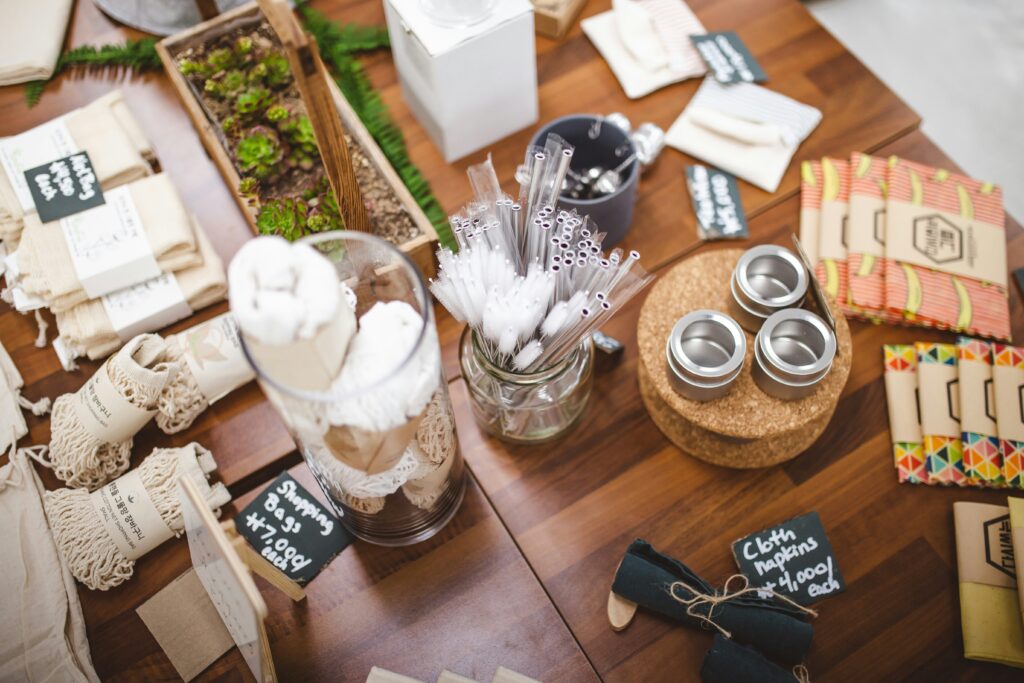
It’s easier than ever to start a business that fits with your environmental values. More and more, people are looking for brands that put sustainability first, which means there’s a big market for entrepreneurs who care about the environment. If you want to turn your passion for green living into a business that makes money, you need a clear idea of what you want to do and the right tools to make it happen. This guide will show you the key steps to getting your green business off the ground and helping it grow.
Crafting Your Eco-Vision
Before you order anything or design a logo, you need a strong foundation. Your “eco-vision” is the main reason your business exists. What specific environmental or social problem are you trying to fix? Do you want to cut down on plastic waste, support ethical manufacturing, or offer personal care products made with clean ingredients? A clear mission statement will help you make decisions and tell customers what your brand is all about. This vision will be your guide, helping you stick to your values as your business grows. Having a clear mission is a big part of growing a sustainable business from the start.
Sourcing Sustainable Materials
For your green business to be believable, your products and supply chain need to be honest. This means you have to carefully check out your suppliers and materials. Look for certifications that back up claims about sustainability, like Fair Trade for ethical labor or Forest Stewardship Council (FSC) for wood and paper that’s managed responsibly.
Think about using recycled, upcycled, or reclaimed materials to keep your environmental impact low. And don’t forget packaging. Choose compostable mailers, recycled cardboard, and as little plastic as possible. Being open is important, so be ready to learn about and share the story behind your materials and sustainable sourcing practices.
Setting Up Your Sales Foundation
Once you have your vision and products sorted, it’s time to set up how you’ll actually run things. This covers the practical parts of running a business, from registering it legally to handling money. A key piece is how you’ll take payments, especially if you plan to sell at farmers’ markets, craft fairs, or pop-up shops. Modern tools can make this much smoother. For example, a smart POS system can do more than just accept credit cards. It can help you keep track of inventory in real time, manage customer info, and look at sales data. This gives you useful insights to grow efficiently without creating a lot of paper waste.
Marketing Your Green Products
Marketing a green business is all about telling your story in an honest way. Your customers pick you not just for what you sell, but for what you stand for. Use your marketing channels to share your eco-vision and be open about how you do things. Show off your sustainable materials, explain your low-waste packaging, and introduce the people who work for your brand.
Social media is great for visual storytelling, letting you post behind-the-scenes content that builds trust. Don’t “greenwash” or make vague claims you can’t back up. Instead, focus on specific, provable facts that show you’re serious about sustainability. Being honest will bring in and keep customers who share your passion.
Building a Community Around Your Brand
A successful green business does more than just sell stuff; it builds a community of people who think alike. Connect with your customers and give them a way to feel connected to your brand and to each other. You can do this by working with other local, sustainable businesses, hosting workshops, or giving a part of your profits to an environmental group.
When customers feel like they’re part of something bigger, they become more than just buyers; they become loyal supporters of your brand. This community involvement strengthens your mission and creates a powerful network of support.
No comments yet.