Tips on Creating a Healthy Lifestyle for Young Families

#1: Start running; it’s always beneficial 

Running is a great way to take care of your health and get in shape! It’s also an activity you can do with the kids, so they will learn from you how important it is to make time for self-care. To stay motivated when running, try listening to music or audiobooks while on the go. You might even consider using a fitness tracker that measures your progress and keeps track of other metrics such as heart rate, speed, etc. There are plenty of models at different price points ranging from low-end to high-end brands like Garmin and Fitbit. An excellent place to start would be Amazon, where prices vary greatly depending on what features you want to be included.

#2: Focus on eating nutritious food 

Good nutrition is a must for everyone, but especially young parents. Getting the proper nutrients into your body will help you feel better and give you more energy to handle daily activities with ease. To ensure that what our kids eat corresponds with their age, we recommend consulting pediatricians or dietitians on how much of each nutrient they should be getting in per day depending on their weight and other factors such as breastfed, etc. Once this number has been established, we can estimate how many calories might be required by multiplying it by 12 and adding some extra amount. Even if children don’t want all the food suggested at one time, there’s still sufficient amounts of everything until next mealtime.

#3: Get old health issues sorted out 

Make sure to get any health issues you might have under control before they escalate. If a severe problem arises, make an appointment with a doctor and try not to worry too much until there are positive results. For this process to go smoothly, we recommend researching what kind of doctors are available in your area who specialize in specific areas such as cardiology or neurology. If the health condition was caused by medical malpractice, why not get a medical malpractice attorney to start a case on your behalf. This way, if something is wrong, it can be appropriately diagnosed instead of having further tests done later on because nothing was found at first glance, which costs a lot of money.

#4: Cut out bad habits like smoking  

Smoking is a nasty habit that can lead to many health problems. In addition, it’s also an addiction that makes quitting hard for some people. As we said before, young parents tend to neglect their wellbeing, so they might not realize how much damage smoking has done to them until later in life when they develop lung cancer and other related diseases. This doesn’t mean you have to quit cold turkey if the idea of giving up cigarettes seems too big of a task right now! A great way to stay motivated would be joining support groups such as “Quit Smoking Community,” where you can read stories from others who managed to break free from this harmful addiction and find inspiration through their words.

It’s essential to take care of your health to be around for the kids and feel good all the time. Nowadays, there are many online resources where you can find information about healthy living without leaving the house!

Green Gardening: Creating An Eco-Friendly Outdoor Haven

Most of us love to spend time outdoors. As we try to focus on embracing more eco-friendly ways of living, here are some tips to help you create a beautiful, green outdoor haven. 

Planting

Nothing makes an outdoor space come to life-like plants, flowers, trees, and shrubs. Planting is one of the easiest and most effective ways to design a greener garden and make a positive contribution to the planet. Depending on the size of your garden, you could explore options, such as creating rock gardens, flower beds, and wildflower meadows, or plant shrubs or trees. There are all kinds of ways you can use plants and flowers to enhance the aesthetic appeal of your garden and create a peaceful, calming ambiance. From hanging baskets and patio containers to flower arches and heavy duty metal trellis for climbing plants, there are options to suit every home. If you are new to gardening, research plants that are easy to look after and consider the size of the yard and how much sunlight you enjoy each day. Some plants need a lot of sunshine while others prefer shadier patches. 

Creating wildlife homes

One of the best things you can do for local wildlife is to create homes in your garden. If you are an animal lover and you want to help native wildlife to thrive, you can encourage species to visit your garden by providing shelter and safe spaces to rest and feed. Additions include bird tables and boxes, hedgehog hotels, and adding flowers and plants for butterflies, bees, and other insects. 

Growing your own produce

Growing your own produce can be hugely satisfying, but it can also save you money and reduce your carbon footprint. If you can produce your own vegetables, you won’t need to go out to the store to buy them, saving you money and trips out in the car. Some types of vegetables are easier to grow than others. If you are a beginner, or you have limited space, start with peas, kale, lettuce and salad greens, beetroot, and radishes. You’ll find excellent tutorials online, and you can also get tips from TV gardening shows and magazines. 

Composting

Composting is a natural process, which can help you to create a more vibrant garden and cut costs. If you don’t already have a compost bin, it’s worth looking into buying one and starting your own compost production line. Once you have a compost bin, you can add waste, including natural and household products, to generate your own compost to use in the garden. Compost is nutrient-rich and it helps to support healthy plant growth. You can use all garden waste, as well as natural items such as cork, cardboard, and wood ash. Avoid adding tissues, wipes, diapers, plastic bags and bottles, and meat and fish morsels. 

Relaxing in the garden is hugely enjoyable, especially after a long or busy week. If you’re eager to create an outdoor haven, there are several steps you can take to design an exquisite, eco-friendly space. Add plants, trees, and flowers, create homes for local wildlife, grow your own produce and make compost. 

How To Encourage Your Kids into Gardening

As part of your desire to help the world heal, encourage the next generation into similar lifestyles. By fostering eco-conscious feelings in the next generation, you ensure the future of the planet.

Gardening is a great place to start when teaching your kids about the benefits of leading an eco-friendly lifestyle. It helps them get to grips with the earth and feel the benefits of seeing something they’ve put effort into coming to fruition.

Gardening is a great hobby for children outside of eco-conscious goals. Gardening teaches patience, persistence, and attention to detail. Kids learn to see a project through to the end and learn several interesting scientific facts about plants.

But kids can be fussy and resist doing things they don’t want to do, even if you explain the benefits of them. For this reason, you might be looking for some tips on how to encourage your kids to gardening. Luckily, you’re in the right place.

Give your kids their own space

One of the most rewarding parts of gardening is seeing the fruits of your labor. To foster this feeling in your kids, it can help to allot a section of your garden solely to your child. In this plot, they can plant all of their plants and flowers. It should give them a sense of ownership and pride and set in their mind that gardening is a fun activity.

Give your kids choice

In a similar vein to the last tip, giving your children choice over what they plant can help kids want to garden. First, have a conversation with them about the types of plants: what effort level they will require and what they will look like when sprouted. Once you’ve given them this information, allow your kids to choose what they want to plant. This will provide them with ownership but also self-motivation to look after their plants.

Make the garden a nice place to be

When kids feel comfortable in a space, they are more likely to want to spend time there. For this reason, making your garden attractive is key to keeping your kids’ attention. Comfy outdoor chairs, fun lighting for the evening, even outdoor toys—are all great for keeping your kids happy in the garden.

Take your kid shopping for tools

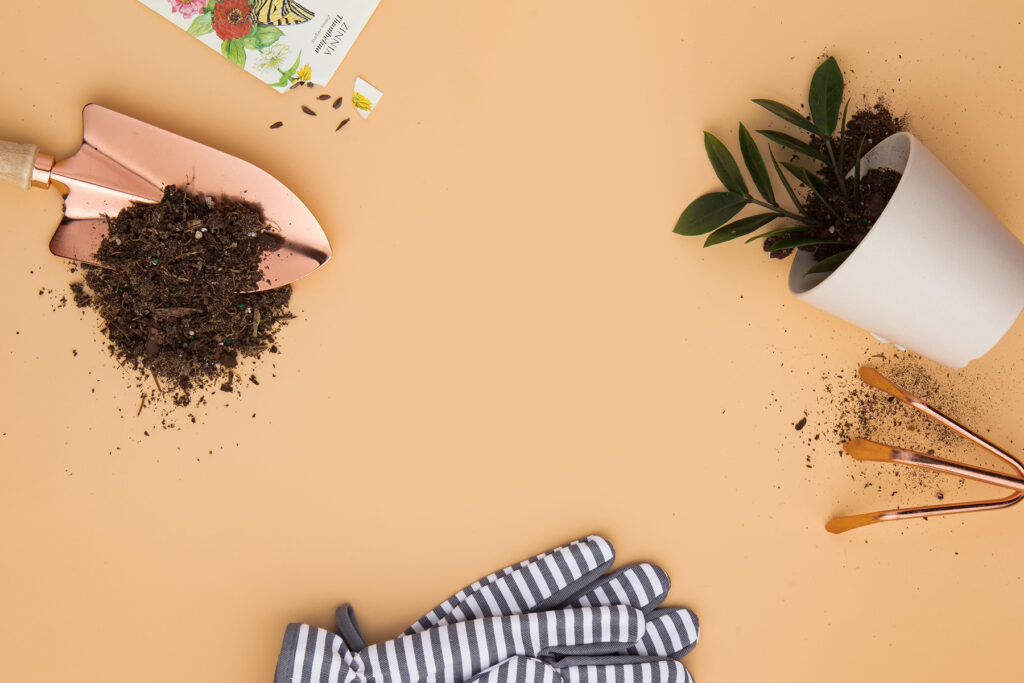
Buying tools for gardening can show your kid how seriously you take their passion for gardening. Plus, picking out their own trowel and gloves can help your child to invest emotionally in gardening as a hobby. After all, when kids use adult tools, they can feel dwarfed by their size and out of place in the garden. We don’t want this!

You can also take the opportunity to invest in some fun and exciting garden tools that will spark their interest and inspire them to want to get outside more often. Drawing them in by showing them just how enjoyable and innovative their gardening experience can be will ensure they learn to love spending time under the sun. 

Show Them It’s Safe 

If your child is a little bit intimidated by gardening and being outside as a whole, then you need to show them that it’s totally safe! They will look to you for inspiration in everything they do, so if they see that you are unwilling to touch mud or run at the sight of an insect, then they will too. Show them that in fact, there are very few threats in your garden that they need to be scared of! Most bugs are not predators, and they won’t do anything other than give you a little painful sting in the worst-case scenario, so make sure your children know they’re out of harm’s way even if a creepy-crawly comes along! Encourage them to get mucky outdoors, immersing themselves in nature without a care in the world. 

Taste what you grow

Once you and your child have grown many fruits and vegetables, eat them! Whether raw—like a strawberry—or cooked into a meal, eating what you’ve grown will show your kids how worthwhile gardening is. You can also use these moments to teach them important messages about produce and the environmental impact of growing your own food.

Teaching Your Little One About Sustainability Through Fun Projects

Taking care of our environment has become a top concern around the world. If you have children at home, it’s time to start teaching them about sustainability so they can grow up with knowledge on how to make the world a better, greener place.

Here are a few fun projects you can do as a family that’ll give your children a solid foundation for sustainable living.

Learn How to Care for Indoor Plants

If starting a vegetable garden in your backyard isn’t a task you’re up for just yet, you can teach your children how to care for plants in an easier fashion by adding indoor plants to common living spaces in your home. With over 28 million small businesses throughout the country, you can surely find a greenhouse or two in your area that sells an assortment of plants to choose from.

Start with plants that don’t require a ton of upkeep. Aloe vera plants, snake plants, cacti, spider plants, baby’s tears, and prayer plants are a few easy types of plants your kids can handle. Go over how to pot, repot, water, and care for the plants on a daily and weekly basis. You may have your kids write down which days they need to water the plants on their personal calendars so they can own the responsibility of caring for them on a regular basis. Once they’ve mastered the easy plants, you can move to plants that require more care.

Turn Cardboard Into Art

Between cereal, pasta, and other snacks in your pantry, you likely have a lot of cardboard boxes filling up your recycling can. While recycling is the best way to dispose of these boxes, you can also turn this “trash” into art.

Your kids can turn flat pieces of cardboard into their own board games, create a painting for their playroom, and even create themed pieces of art during the holidays. For example, you can create cardboard turkeys for Thanksgiving festivities and snowmen and reindeer for the December holiday season. By creating art with cardboard, your kids will learn how to make a product useful for something other than holding food.

Create Nature-Themed Picture Books

If your children attend one of the 87% of private schools that have fewer than 300 students, they likely have an excellent selection of kids’ books to choose from on a daily basis. Your children probably spend a good amount of time reading and writing at school, but how can they bring these skills home and learn about the environment at the same time? Creating handmade nature-themed picture books is a unique idea you can get started on right away.

All you need is your cell phone or another type of camera, a printer, empty scrapbooks from a craft store, glue or tape, and colorful writing utensils. Take your kids outside in your backyard, around your neighborhood, and to local parks. Have them take a bunch of pictures of the nature that surrounds them. Then, get their photos printed. Create a crafting station at your dining room table and let your kids get to work gluing or taping their photos in the scrapbooks. Encourage them to a write caption for each picture. Not only will your kids love their handmade books outlining their naturesque adventures, but they’ll get in some writing practice, too!

Encourage Your Kids to Become Leak Investigators

Did you know that fixing easy-to-fix leaks can save you about 10% on your water bill? Dripping faucets and worn toilet flappers are among the easy-to-fix leaks everyone in your family should be aware of. To help avoid water waste in your home, encourage your children to become leak “investigators.”

Show your children the signs to look for in a bathroom, the kitchen, and the laundry room that indicate there’s a leak. For example, if your children notice damp or damaged flooring, strange noises when the water is on, reduced water pressure, or water stains, there may be a water leak in your home that requires some further investigation.

Teaching your children about sustainability and how to better take care of the earth around them is a responsible parenting move. Consider these fun projects as you teach your kids the best ways to take care of our environment and reduce waste at home.

The Best Way To Take Care Of The Planet? Take Care Of Yourself

The desire to adopt a greener lifestyle is something that unites millions of people across the nation at this time. However, finding the motivation to stay consistent in those endeavors is often a fairly difficult task. Learning to focus on the personal benefits will change this forever.

Many aspects of self-care will bring eco-friendly rewards as a by-product. Here are four of the best solutions that will deliver stunning results for you and the planet.

#1. Improve your diet

A healthy relationship with food is one of the most beneficial lifestyle changes you’ll ever achieve. The fact that it will boost your well-being is the main focus. Still, many of the steps will actively reduce your carbon footprint too. After all, the key attributes of a winning diet include eating more fruit and veg while reducing your reliance on processed foods. Cutting your meat intake can also support the bid for a greener lifestyle while also delivering physical health rewards. Drinking more water is another positive step, just be sure to avoid plastic bottles.

#2. Boost the home setting

Creating a positive home atmosphere can work wonders for your health. As well as boosting your mental wellness, it can actively support your physical wellness. Adding insulation and upgrading your HVAC systems will make illnesses less likely. This is due to improved heat efficiency and air quality. Those steps will also aid the environment and your long-term bank balance. Switching to eco-friendly cleaning materials and a solid cleaning schedule will work well too. Again, the focus is on your breathing health. Yet, your carbon footprint will fall.

#3. Seeking Quick Physical Recoveries

When you get injured at work, during sport or in daily tasks, focusing on your recovery is key. It’s OK to be self-centered at this time and worry primarily about what will bring the fastest return to normality. In reality, though, a faster recovery will put less strain on resources both at home and in medical centers. Therefore, quick responses with suitable wound care will help your body heal quicker and avoid infections. Once again, the main reason for doing this is that you will get back to your best far sooner. Still, the fact you’ll use fewer materials and make fewer trips to the hospital will lower the carbon footprint.

#4. Spend more time outside

Spending more time outside is one of the best ways to support the planet. Whether actively taking on tasks like planting trees or just enjoying the great outdoors is up to you. Either way, embracing nature and the simple things in life will mean that you use fewer resources like gas and electricity. Crucially, ideas like nature walks are great for your physical and mental wellness. Outdoor activities are also a great outlet for creating magical memories with friends and family. Better still, it’s a good way to maintain social distancing from large groups inside. Right now, that’s as big an incentive as any.

Simultaneously looking after yourself and the planet is a truly beautiful thing. You’ve got this.