
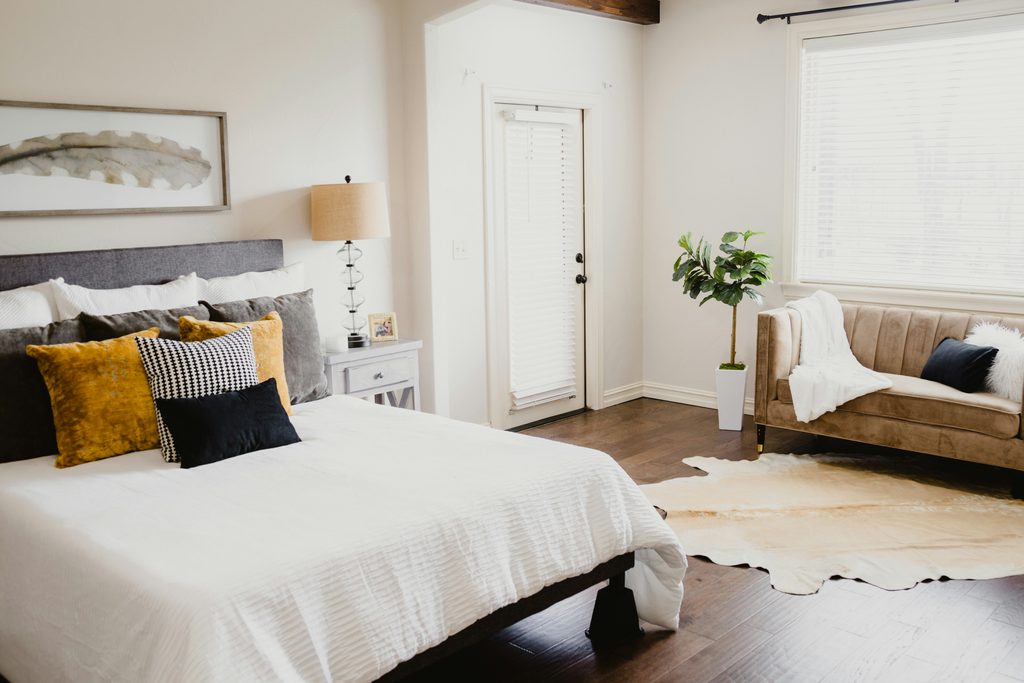
Stepping into a high-end hotel room often brings a unique sense of calm. The space feels tranquil, clean, and perfectly designed for ultimate relaxation. While recreating that feeling at home might seem like an expensive indulgence, you can actually transform your bedroom into a five-star sanctuary using eco-friendly principles. By making thoughtful choices about materials, lighting, and decor, you can craft a luxurious retreat that’s both beautiful and kind to the planet.
From the sheets on your bed to the air you breathe, every element can be picked to boost your well-being and lessen your environmental footprint.
Start with the Foundation: Your Bedding
The heart of any luxury hotel room is an impeccably made bed, just begging you to sink in. This is the best place to start your transformation. High-quality bedding not only feels better but also lasts longer, which means less waste over time. Look for sheets made from natural, sustainable fibers like organic cotton, linen, or TENCEL Lyocell. These materials are breathable, soft, and produced with less environmental impact than regular cotton or synthetic fabrics.
To get that cloud-like hotel feel, layering is essential. Begin with a mattress protector to keep your mattress fresh, then add a fitted sheet, a flat sheet, and a cozy duvet. Investing in one of the best hotel-quality duvets can make a huge difference in how comfortable you are and how well you sleep. Pick a fill and weight that suits your climate and how you like to sleep. Finish the look with a collection of pillows; a mix of firm and soft options gives you both support and a plush, inviting appearance.
Choose Sustainable and Natural Materials
Creating an eco-luxe bedroom goes beyond just the bed. When you choose furniture and decor, pick items made from sustainable and non-toxic materials. Look for furniture crafted from reclaimed wood, bamboo, or wood certified by the Forest Stewardship Council (FSC), which guarantees it comes from responsibly managed forests. These choices help prevent deforestation and give beautiful materials a second life.
The paint on your walls also significantly affects your room’s health and environmental impact. Traditional paints can release volatile organic compounds (VOCs), which are harmful chemicals that can pollute your indoor air for years. Instead, choose low-VOC or zero-VOC paints. They’re widely available in every color imaginable and will help you create a healthier space to breathe in. For textiles like curtains and rugs, stick with natural fibers such as wool, jute, or organic cotton. These materials are biodegradable and don’t shed plastic microfibers into the environment like synthetic ones do. The main goal is to create a room that feels as good as it looks, and that starts with clean, natural materials.
Declutter for a Serene, Minimalist Vibe
One big reason hotel rooms feel so relaxing is their complete lack of clutter. You won’t find piles of mail, stray clothes, or unnecessary knick-knacks vying for your attention. Adopting a minimalist mindset is one of the most effective and eco-friendly ways to get this serene atmosphere. It doesn’t mean getting rid of everything you own, but rather being thoughtful about what you keep in your space.
Start by removing anything that doesn’t belong in a room meant for rest and rejuvenation. This means finding new homes for work-related items, exercise equipment, and general household clutter. Invest in smart storage solutions, like under-bed drawers or a stylish ottoman with hidden storage, to keep necessities out of sight. A clean, organized space helps your mind relax and leads to more restful sleep. This minimalist approach is naturally sustainable because it encourages you to buy less and truly value the items you choose to keep.
Layer Your Lighting with Energy-Efficient Options
Lighting plays a crucial role in setting a room’s mood. Luxury hotels master this with layered lighting that can be adjusted for any activity, from reading to relaxing. You can get the same effect in your bedroom while also being mindful of energy use. The trick is to have multiple light sources.
- Ambient Lighting: This is the general light for the room, usually from a central ceiling fixture. Pick one that spreads light softly.
- Task Lighting: These are more focused lights for specific activities. Bedside table lamps or wall-mounted sconces are perfect for reading.
- Accent Lighting: This type of lighting highlights architectural features or decor, like a piece of art or a beautiful plant.
For all your fixtures, use LED bulbs. They use up to 85% less energy and last up to 25 times longer than incandescent bulbs, saving you money and reducing waste. Installing dimmer switches is another excellent way to control the ambiance while saving energy. You can brighten the lights when you need to see clearly and dim them in the evening to signal to your body that it’s time to wind down.
Incorporate Biophilic Design with Houseplants
Bringing elements of nature indoors, a practice known as biophilic design, is a powerful way to create a calming and healthy environment. Houseplants are the easiest way to do this. They not only add natural beauty and color but can also improve your indoor air quality. Certain plants are especially good at filtering out common household toxins.
Some of the best air-filtering houseplants are also surprisingly low-maintenance, making them perfect for the bedroom. Think about adding a Snake Plant, Spider Plant, or Pothos to your space. These hardy plants thrive in various light conditions and work to purify the air while you sleep. Placing a small plant on your nightstand or a larger one in a corner can instantly make the room feel fresher and more alive. Choose pots made from natural materials like terracotta or ceramic to keep with your eco-friendly theme.
Curate Your Scent-scape with Natural Aromatherapy
Scent is a powerful sense often overlooked in home design, yet hotels use it expertly to create a memorable experience. You can create a signature scent for your bedroom without using synthetic air fresheners, which often contain phthalates and other harmful chemicals. Natural aromatherapy is a much healthier and more sophisticated alternative.
An ultrasonic essential oil diffuser is a great investment. It uses water and a few drops of essential oil to create a fine, fragrant mist that gently scents the air. Choose high-quality, pure essential oils known for their relaxing properties. Try lavender, which promotes calmness and helps with sleep. Chamomile has a soothing, gentle aroma that helps reduce anxiety. Sandalwood offers a warm, earthy scent that is grounding and meditative. Bergamot, a citrus oil, can help lift your mood and reduce stress.
You can also make a simple linen spray by mixing distilled water with a few drops of your favorite essential oil in a glass spray bottle. A light mist over your pillows and sheets before bed can make your sleep space feel incredibly luxurious and help you drift off to sleep more easily. This small ritual transforms your bedroom into a true sensory retreat, enhancing the five-star hotel comfort you’ve worked to create.
By focusing on sustainable quality, minimalism, and natural elements, you can turn your bedroom into an eco-friendly haven that rivals any luxury hotel. It’s a space that not only promotes better sleep but also reflects a deeper commitment to your personal well-being and the planet’s.
No comments yet.