Clever Ways to Reduce Your Carbon Footprint This Summer

There are many ways to reduce your carbon footprint in the summer months. You can exercise more and use the car less frequently, grow a garden, eat more fresh fruits and vegetables, and conserve energy using energy-saving devices. Below are some specific ideas of how your and your family can reduce your carbon footprint this season.

Try a New Mode Of Transportation

Just one gallon of gasoline emits tons of carbon dioxide into the atmosphere. Cut down on using your car this summer and walk and bike in your neighborhood instead. Think about walking to the mailbox instead of driving to the local post office to mail letters. When you drive somewhere and park, walk an extra few blocks rather than drive around to nearby destinations. You do not have to park as close as possible. Consider using the bus for local transportation, as choosing public transit can reduce the number of other vehicles on the street. There are over 6 million car accidents in the United States yearly, partially due to overcrowded roads. Choose local parks and trails in your state and walk and hike locally or enjoy taking a stroll around the block instead of a nightly drive to clear your head.

Not only do cars come with harmful emissions, but they can also be expensive to maintain. Around 96% of Subarus sold during the past decade are still on the road, which means many drivers may also have to deal with expensive vehicle maintenance to keep their cars operable. You can cut down on necessary repairs by ditching your car for a bike this summer whenever possible. Biking is a great way to exercise or get from point A to point B. If you live close to where you work, walking or biking to work in good weather can be a great way to burn calories, shed a sedentary lifestyle, and reduce your environmental impact. You can bike or walk in parks, local college campuses, the neighborhood, or in the heart of the city. Don’t forget to learn the safety rules and follow them when biking or walking. Walk and bike to places a few miles near your home to start; you might find you love it so much that you try not to take the car if you don’t have to!

Plan a Garden Or Grow Plants in Pots

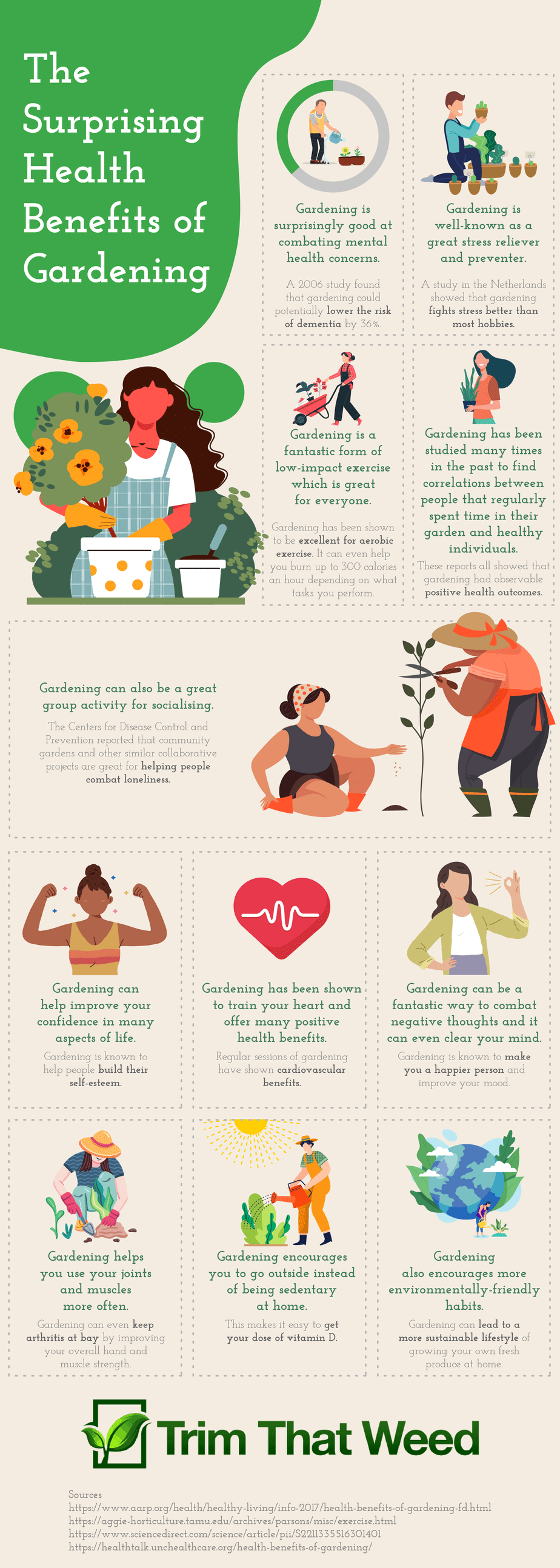
Plant a garden this year and start growing some herbs and vegetables. Go to a local garden center and purchase native flowers, vegetables, and herbs. You should also stop using chemical pesticides and buy organic pesticides made from natural ingredients (or make your own at home!). While Oklahoma has over 540 common pests, they can be kept out of your garden in ways that won’t harm the surrounding environment if you stick to natural pesticides and insecticides. Your garden center can tell you how to care for the plants you buy. Buy plants for the deck or patio if you don’t have the time to care for a garden. You can use the vegetables and herbs you grow when cooking. This can help you reduce the environmental impact associated with purchasing groceries that come from far-away farms. You might even consider collecting water in a rain barrel to use to water the lawn and your plants at home, thus saving water!

Use a Programmable Thermostat and Fans to Reduce Energy Consumption

Installing a programmable thermostat will help you save on your electric bill when cooling the house. This handy device can increase or decrease the temperature, even when you’re not at home. Other ways to cool the house include closing the shutters, blinds, and shades during the day. You can also use a fan instead of an air conditioner or to supplement your AC. You might even think about switching to a green energy plan powered by renewable energy. Remember to unplug appliances you’re not using and cook on the outdoor grill instead of using the oven to reduce your overall energy consumption and to keep your home more comfortable throughout the hotter months.

Eat Local and Reduce Meat Consumption

This summer, shop at your local farmers’ market where they sell local produce grown in your region. You should always aim to buy seasonal produce, as it is less expensive and can be transported in a more environmentally-friendly way. You can always prepare your vegetables in large batches and freeze for later use to reduce waste. Find some new recipes for vegetable, fruit, and pasta salads or soups and try them out this summer. Be sure to try some new fruits and vegetables you have never eaten before every week. You can also reduce meat consumption in your diet, as the meat industry can be incredibly harmful to the environment.

These tips will help you reduce your carbon footprint and help you find a way to promote green and natural living in the warmer months.

15 Sustainable Gardening Tips for an Eco-Friendly Backyard

If you would like to do your part to help the environment, why not begin in your very own backyard? Creating a more eco-friendly garden is easier than it sounds, and if you’re mindful of the products and methods you use, you can even encourage the ecosystem to thrive. The key to sustainable gardening is to try to maintain a zero-waste attitude, as you would in other aspects of your life. Recycle and reuse materials to decorate and maintain your garden, and you can even DIY ornaments, flower beds, and wildlife habitats and feeders. Here are few more gardening tips that will not only make your yard more sustainable but also beautiful and inviting all year round.

Choose native plants

First things first, the most eco-friendly choice for your garden is native plants. These will thrive in the natural climate and be compatible with local wildlife. By opting for locally sourced alternatives, you can also avoid the environmental impact of importing non-native plants. If you’re not sure which species are indigenous to your region, you can use this native plant finder to help you. 

Allow the garden to overgrow

A well-kept garden isn’t always the most sustainable. If you allow it to get a little wild you’ll encourage important insects and pollinators, and even small animals and birds. Try letting certain areas overgrow and keep other parts neat, for example. Allow the lawn to grow a little longer and set up zones for wildlife. This could include a rock garden, or pond even for any amphibians. Make the most of the space you have. Even upturned logs and branches will give the local wildlife a safe place to forage.

Plant trees

If you have space, plant trees in your yard. Trees can be very beneficial for your garden. They release oxygen and help to prevent soil erosion. If they’re strategically positioned they can also provide shading and privacy. This could even help keep your home protected from the elements and reduce your energy bills. Remember to choose native trees as well. If you or anyone in your family suffers from seasonal allergies, it’s also worth finding out if they’re caused primarily by tree pollen before planting more trees. You can find out more about common tree pollen symptoms from Allergy Insider

Plant ground cover not grass

There are several ground cover alternatives to a grass lawn that are actually better for the environment. Some examples include moss or clover. These both provide an even soft covering and will stay green throughout the hot months. They also attract bees and other pollinators more than freshly cut grass. These will help to maintain the local ecosystem. You could also consider fragrant creeping perennials as well.

Grow your own crops

Another perfect addition to your eco-friendly backyard is a vegetable garden. Growing your own allows you to live a more sustainable lifestyle in general. You’ll save money in the supermarket and won’t have to worry about excessive packaging. It’s also a very satisfying hobby. If you’re new to gardening, start with a herb garden or some summer salad seeds. This will grow quickly and easily. You can then try planting seasonal vegetables throughout the year.

Use recycled materials

In order to keep your yard as eco-friendly as possible, you should try to use recycled materials whenever you can. Keep old tubing, wood, or groundsheets from any DIY projects as these are very useful in the garden. Wooden crates are also very versatile. You can turn them into vertical gardens, compost heaps, or even animal habitats. You can also build raised beds from recycled materials, such as crates, upcycled drawers, and boxes. 

Make upcycled ornaments

Another way to decorate your garden with recycled materials is by upcycling household items. This one of the best eco-friendly family activities for the warmer seasons. Look for items you can repurpose as planters, these can be anything from a watering can to wellington boots. Get the kids involved looking for old objects to turn into plant pots, hanging baskets, or other decorations. Even mason jars, for example, can be very versatile. 

Create a haven for wildlife

You can also DIY your own feeders and habitats to create a wildlife-friendly yard. Try making a bird feeder from a recycled plastic bottle and a couple of sticks as perches. You could also make a butterfly or hummingbird feeder from a glass bottle with sugar water inside. Gather some recycled wood and bamboo and make a bee hotel. The little holes are all they need to create a makeshift hive. 

Provide a water source

Providing a water source is another way to attract local wildlife. Different types and animals will come for a quick drink and a place to refresh. If you haven’t got much space, you can create DIY water features from repurposed household items. All you need to build a miniature pond, for instance, is a simple container such as an old plant pot, bucket, or even sink, filled with a layer of pond covering, and few pebbles. Fill your pond with rainwater, not from the faucet, and add a couple of plants like miniature water lilies. Build your pond somewhere that gets plenty of light but not intense sun all day, and it should thrive and attract wildlife.

Reduce waste

Try to be mindful and consider all the ways you can reuse and recycle yard waste. If you mow the lawn, you can actually leave the clippings directly on the grass. These will decompose quickly and the nutrients will be given right back to the soil. This helps reduce the need for fertilizer. Other types of garden waste can also be used as mulch including twigs and leaves. Fall is the perfect season for making mulch. This can be used to enrich your soil while reducing the growth of weeds.

Make your own compost

Compost can be made from food waste. This includes vegetable and fruit peelings, eggshells, and tea. You can then use this homemade compost to fertilize your eco-friendly garden.  If you want to use other items such as bread or grains they should be treated first to help them decompose more quickly. You also will need to monitor your compost and keep it moist with water. Here is a complete guide on how to make compost. It’s much easier than it sounds.

Cut down on chemicals

Avoid using pesticides and fertilizers that contain harmful chemicals. Instead, look for organic products or make your own. Chemical fertilizer and herbicide will strip the soil of nutrients and will be damaging to the environment over time. The more organic matter you can integrate with your soil the better and you also need to keep it aerated. With a bit of natural food and care, your lawn and flowerbeds will thrive.

Level out slopes

If you have slopes or dips in your yard, the most eco-friendly way to level these out is with terracing. Terracing is a way to level out a sloped yard into flat planted areas. Rainwater will soak into the beds and this process will help to prevent erosion and stormwater runoff which are both bad for the environment. Filling your slopes and dips with flowerbeds, shrubs, or even herb gardens will also add to the appeal of your landscaping. 

Harvest rainwater

Harvested rainwater is perfect for watering your eco-friendly yard. If you successfully collect your own rainwater you can greatly reduce the amount of household water wasted. You could try out any number of rainwater harvesting system ideas. Find the one that best suits your home and landscaping design. Most systems will collect rain that runs out of your gutters and roofs allowing you to reuse this in your garden. Once set up, it’s easy to use a rainwater harvesting system all year round.

Go with the flow of the garden

The best way to maintain an eco-friendly backyard is to go with its natural flow. This means doing what you can to support the local ecosystem by cultivating native plants in the right way and encouraging the environment to flourish. Plant according to the garden, not your own personal landscaping preferences. If you try to use this approach, you will work with the natural characteristics of your yard rather than against them. Rather than over pruning, let your yard grow a little messily from time to time and it will help to preserve plants, and local wildlife.

Always aims to collaborate with the natural ecosystem to create a sustainable space to enjoy. This will help you build the perfect environment for growing flowers and crops and a lovely place to relax. By making your yard as eco-friendly as possible, you’ll also be able to welcome a few wild visitors and provide them with the ideal habitat they need. Natural, sustainable gardens are also cheaper to maintain. You’ll even save money making your outside space even greener this year. With a few simple sustainable gardening tips, you can transform your yard into an eco paradise.

10 Realistic Ways to Stop Using Paper in Your Business

It’s no secret that the continued use of paper in the world is a growing problem for the planet. In 2019 alone, the United States consumed around 73.1 million tons of paper, and some of that paper will have gone to waste for various reasons.

There was once a time when a paperless office was nothing more than a ploy by some companies to persuade consumers they are ethical at heart. Nowadays, the business world realizes the scale of the problem, irrespective of an enterprise’s size.

How Bad Is the Problem?

You’re likely reading this blog post today because you want to make a significant improvement to your firm’s green credentials. But, you’re possibly not sure why you need to ban paper from your business.

After all: there are loads of trees in the world for producing paper, right? Let’s take a look at the scale of the problem, according to some calculations from the Conservatree website:

  • One ream or 500 sheets of paper equates to around 6% of a tree;
  • One tree produces approximately 17 reams of paper;
  • One ton of non-recycled paper is the equivalent of 12 trees.

The earlier mentioned figure of 73.1 million tons of paper used in the United States alone equates to approximately 877.2 million trees. With all that in mind, here are some realistic ways to stop using paper – many of which can even save your business money:

1. Issue Electronic Invoices to Customers

The first practical step you can take to stop consuming paper in your business by ceasing the practice of issuing paper invoices to your customers. It’s so easy to generate electronic invoices from most modern accounting systems.

Plus, email delivery of invoices typically takes seconds, and the cost of invoicing each customer is minimal compared with the traditional alternative, so your business will save on postage costs.

2. Manage Your Payroll Online

If you employ several people on a shift basis, you’ll undoubtedly want to monitor their time and payments to ensure efficiency. Stop using paper records as evidence of their shift work, and start managing your payroll online using one of the many different available solutions.

Also, take a look at these 8 payroll reports every business manager needs to know so you can ensure your business isn’t wasting money or incorrectly paying its staff.

3. Use Only Recycled Card for Product Packaging

Does your business sell physical products? If it does, you’ll undoubtedly have each product packaged using a mix of card and cardboard. Preventing the use of such material isn’t an option as it protects your products in transit before they reach consumers.

However, you can opt for 100% recycled product packaging and not use any plastic with the packaging so that it can be wholly recycled by the end users.

4. Don’t Include Paper Instructions With All Products

You want to make sure that your customers know how to use your products when they purchase them. Plus, you also want to let them know about your firm’s warranty and returns policies.

Usually, you’d include some paper supplements inside of the product packaging with that information. Instead, you should direct your customers to view the information online. For example, you could ask them to scan a QR code that redirects them to the documents.

5. Notify Suppliers of Your No-Paper Policy

It might surprise you to learn that many companies still issue their business customers with a raft of paperwork. For instance, they might incorporate paper-based shipment manifests with each order and several sheets of printed invoices or delivery notes.

With that in mind, you should open a dialog with your suppliers and inform them you’ve got a no-paper policy at your business. Most, if not all, suppliers should be accommodating of your policy and only send you electronic documents.

6. Provide All Customer Documents Electronically

Receipts, returns notes, contracts, and other paperwork are often printed out and sent out or given to customers for their records. As you can appreciate, such processes generate an enormous amount of paper each year.

Your business can cease those processes and elect to provide all customer documents electronically. You could even set up an online platform for your customers where they can download any documents at their leisure.

7. Use a Fax to PDF System

Believe it or not, some organizations still use fax machines and have fax numbers. If your business has valid reasons to use faxes, did you know you can partially digitize such communications?

These days, it’s possible to use software or online solutions that receive faxes and convert them into PDF documents. With many of those solutions, it’s as simple as diverting your fax number to an online fax service provider.

Some unified communications systems will automatically email those PDF faxes to one or more recipients or scan the details into a CRM system.

8. Don’t Take Telephone Messages on Paper

Everyone at your business isn’t going to be at their desks all the time. If someone gets a phone call and a colleague picks up the call, they might need to leave their workmate messages from their callers.

The traditional way of relaying that information is by leaving a paper note at their desk or something like a Post-It Note. But, that obviously means using paper. In those circumstances, messages can get transmitted electronically.

For example, they could send their colleagues brief email messages. Or, if everyone uses a unified communications solution, they could pass on messages through those systems.

Apart from not using paper, another advantage of electronic telephone messages is that the call message recipients always record the call to hand. In contrast, paper notes can end up getting lost or ending up in the wastepaper basket.

9. Return to Sender All Postal Communications

Sending all postal communications back to their senders might seem like a somewhat extreme and potentially time-consuming yet annoying process. But, it’s an excellent way of enforcing your no-paper policy at your business.

The trouble that many businesses face, even small enterprises, is how they receive large volumes of paper-based communications in the mail every day. Some of those communications are junk mail, and others provide out-of-date information.

Refusing to open all postal communications will send a clear message to your suppliers and other people that you operate a strict no-paper policy at your organization.

You might be wondering what could happen if some of those communications come from government sources. The reality is official paperwork from the government often gets communicated online, either through online portals or via email.

10. Set up Recycling Stations at Your Premises

The above ideas will reduce your paper usage and waste significantly. However, there will be times where paper is unavoidable in your organization. For example, products your business buys will have paper, card, or cardboard contents.

Employees might purchase sandwiches from nearby food outlets, and those sandwiches might be contained in a protective card-based enclosure. What can you do about such situations, you might ask yourself?

With such unwanted paper products entering your premises, you can make sure that it all gets recycled. It’s easy to set up recycling stations at your premises for all your employees to use.

What’s more, your staff could even recycle other items like plastic and glass. You may need to pay for such recycling provisions, but you can usually offset the costs against your organization’s tax bills each year.

Top 4 Ideas for Sustainable Living

According to Earth Policy Institute, the earth’s temperature has risen by 0.8 degrees Fahrenheit since the industrial revolution. This means that if we don’t reduce carbon emissions, the temperatures will continue increasing. When not controlled, the carbon emissions will affect our plants, animals, the environment, and well-being. For these reasons, it’s vital that we live sustainably.

If you want to live a more sustainable lifestyle, you should start by thinking about the choices you make on a daily basis. Below are four helpful tips on how to live a more sustainable life.

Travel more sustainably

Air travel accounts for approximately 2% of the world’s greenhouse gas emissions. Therefore, using the train or carpooling may be better alternatives. However, if you have to travel by plane, you may want to search for flights that use solar panels to reduce their carbon emissions.

Go reusable

The 3 Rs – reduce, reuse, and recycle are crucial to sustainable living. Recycling is one of the best ways to reduce the trash in our landfills. Unfortunately, only 23% of plastic bottles are recycled. When left in landfills, these bottles can take hundreds of years before they can fully decompose. This is why you should use reusable containers.

Here are three reusable things that you should consider:

  • Instead of using plastic bags, use reusable fabric or canvas shopping bags
  • Reuse PVC water bottles instead of plastic water bottles
  • Use reusable silicone, stainless steel, or glassware containers instead of Styrofoam containers

Apart from saving the environment, using these reusable items will help you to save more money in the long run.

Eat less meat

Meat is the main source of protein, and some people cannot stop their urge for ribs or steaks. However, the meat industry does more harm to the environment than emissions from vehicles. Carbon emissions from the livestock industry are very high. For instance, cows alone emit more than 100kgs of methane every year. This greenhouse gas is 23 times heavier than C02.  Additionally, meat processing companies use millions of gallons of water every year.

While not eating meat will help to protect the environment, how will you meet your protein needs?

There are alternative plant-based proteins that will provide your body with proteins, minerals, and vitamins. According to a No Evil Foods review, plant-based meats are great meat alternatives that can reduce climate change.

Grow your food

Visiting your local grocery store for a new batch of vegetables and fruits may be more convenient. However, a lot of energy is used to grow and deliver these products from the farm to the store. According to BBC News, the production of these foods contributes a ¼ of the world’s greenhouse gas emissions.

The production of these foods harms the environment through the use of toxic fertilizers and pesticides. Additionally, there’s machinery needed to plant, grow, and also harvest the crops. Finally, there are fuel emissions when transporting the products to the store. Therefore, starting a garden can limit the emission of harmful greenhouse gases.

Changing your habits a little at a time will help you to lead a more sustainable life. Start your journey to sustainability by incorporating some or all the above ideas regularly. Whether it’s traveling sustainably, recycling items, adopting an eco-friendly diet, or growing your food, choose what works best for you and lessen your impact on the environment.

Tips For Building an Eco-Friendly Home

Creating a residential place for your family does not necessarily aim so much at perfection but authenticity. With the current transformation and changes that have taken place in the global climate, individuals who wish to build a home should ensure the houses constructed do not make our environment worse. Moreover, embracing a natural lifestyle is very beneficial to the human body, spirit, and mind.

What is an Eco-Friendly Home?

Eco-friendly homes are those built using materials and technologies that do not harm the environment further. For instance, a home that relies on wind and solar energy falls into this category. The current trend is taking a positive turn, where we have seen many people going for environmentally-friendly houses. However, some lack the knowledge to create such buildings. This detailed article will inform you about the best ways to build an eco-friendly home, whether you are constructing from scratch or renovating an old one.

Choose Timeless Finishes

vYou don’t have to feel limited when it comes to the finish you apply to your home. You can use outstanding finishes without sacrificing the house’s aesthetics. Years back, people looked forward to warm and welcoming spaces. However, today, to achieve environmentally-friendly abodes, it is recommendable to yearn for safe spaces conscious of our lives on earth.

When it comes to the interior décor, choosing colors, styles, and designs that do not require regular changing is a wise idea. The finishes should have permanence for you. For instance, using a matte black tapware finish on your kitchen cabinets can help them last up to 50 years. Therefore, do not look at how classic the finish is as long as it is timeless to you and it will serve you for years to come.

Make Sure Everything is Built to Last

Choosing sustainable materials for your construction is not an option if you want to achieve an environmentally-responsible home. Besides the aesthetic appeal, cost and life cycle are the other considerations to make when choosing the materials. Additionally, consider how easy it is to reuse or recycle the material. If you cannot reuse it, then disposing of that material in the future should not negatively affect the environment.

Many factors dictate the durability of a particular material. If you plan on having an underground tank, for instance, you should know that its construction, installation, soil conditions, and maintenance affect its lifespan. However, it can typically last for 20 years or more. Besides sustainability and cost reduction, having suitable construction materials reduces your exposure to life-threatening organic compounds and pollutants significantly. Some wall coverings, paints, and carpeting release toxic compounds that tamper with the air quality inside a house.

Considering the many hours you will be spending at home, it is advisable to minimize toxins’ exposure by getting healthier material alternatives. Using construction materials sustainably means their present use will not interfere with future use by affecting the environment or running out. Very few materials meet this requirement, and they are the ones you should get if you want an eco-friendly home.

Focus on Smaller Projects to Be Green and On-Budget

Small houses are not only eco-friendly but also cost-effective. Besides occupying a small footprint, a smaller home can save you a lot on the materials required and the energy consumed to warm or cool it down. In 2018, a report showed that the average monthly housing cost was $1,566. That shows the more extensive the home, the more money you spend on it. Statistics show that the average number [of people in an American home has gone down from 3.8 to 2.6, yet the home sizes have ballooned over time.

People need to understand that these improper size-to-occupant ratios are bringing additional issues to our environment. If we desire to achieve green projects, we should be ready to adhere to a more solid square-footage-per-individual code. However, we also need to shift our focus from total house size to proper usage of resources and quality green projects.