Hello, Friends! How have you been? I haven’t written “A Few Green Things” in quite some time. I have been super busy building my virtual assistant firm and as you may have noticed, I have hired a few writers to help ensure that Sweet Greens is being updated with great green content each week! In fact, if you are interested in being a contributor,please email me, I would love to chat!
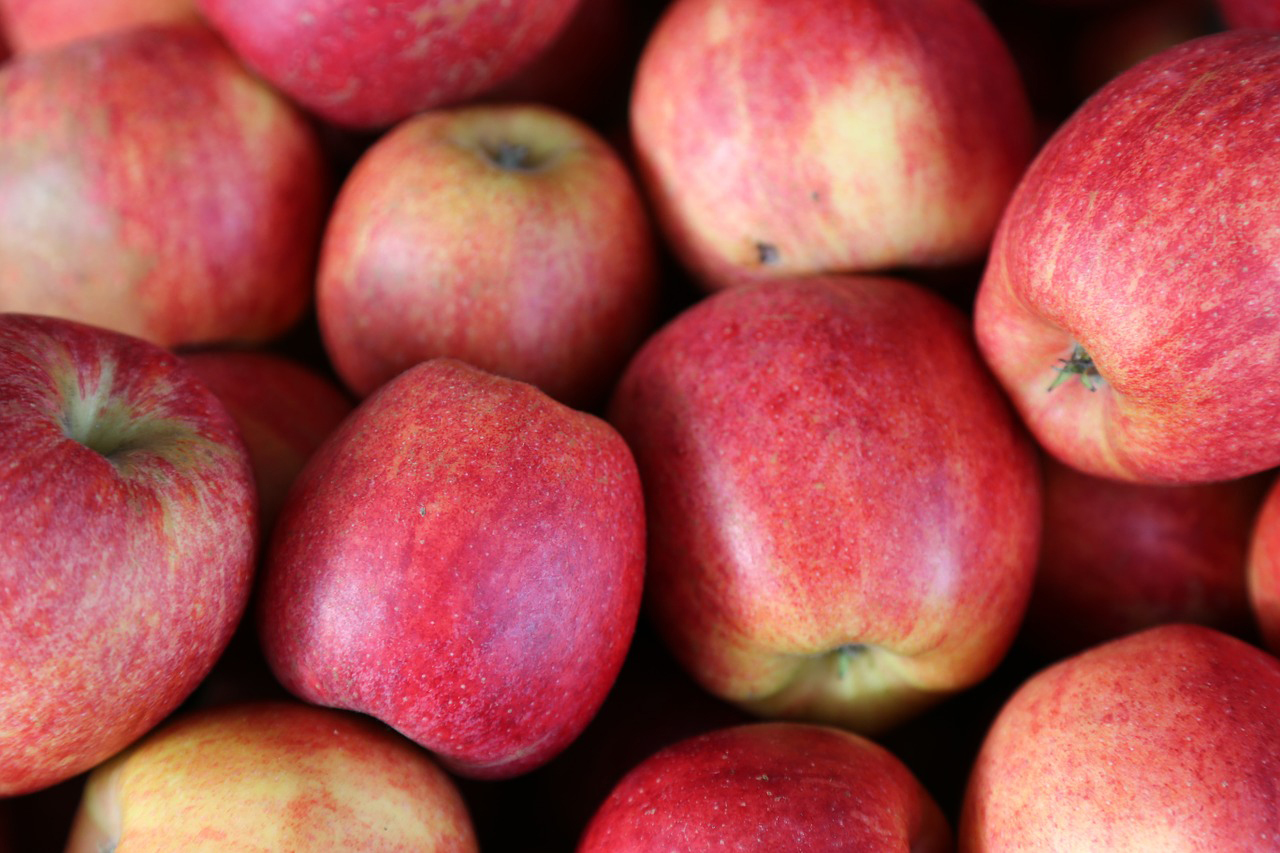
Eben started 8th grade this week – it really is amazing how quickly time flies. He was only 8 years old when I started writing Sweet Greens and now he is in his last year of middle school. Can you believe that it is almost September? I am already dreaming of our fall family trip – it is quickly approaching. Do you have any fall family traditions that you are looking forward to? A favorite pumpkin patch? Apple orchard? Fall hiking trail? While I lay back and dream of fun fall activities, here are a few green things I thought you might enjoy!
Remember the father in law in “My Big Fat Greek Wedding” who used Windex to cure everything? Well, I’m that way with coconut oil. I’m convinced it does everything that duct tape can’t. But we all know by now that coconut oil is practically a deity when it comes to health, wellness, and being green. I use for everything from conditioning my hair and brightening my smile to soothing chapped lips and rough elbows! You may be wondering how your children can benefit from coconut oil too? I put together a list of my six favorite ways to incorporate coconut oil into your child’s daily routine – you will want to pin or bookmark these, they are pretty amazing!
1. Lotion + Diaper Cream: Coconut oil is a great diaper cream for those who use cloth diapers, and a great lotion for babies and kids alike, especially those with sensitive skin! It’s also great because a little goes a very long way and it can even be mixed with other lotions or oils to make your own lotion creation!
2. Frizzy Hair Tamer: Coconut oil can conquer the static and frizz putting a wrench in those busy school day mornings with just a quick dab in the hands and a finger comb through the hair.
3. Lice Treatment: Mix coconut oil with apple cider vinegar, and you have a natural lice remedy. This one is great to have in your arsenal for the younger kids, especially now that school is back in session!
4. Chicken Pox Anti-Itch Remedy:
The little ones are bound to get Chicken Pox at some time or another, and why should they suffer through the itching? Rub coconut oil on their spots and they’ll feel some relief and be able to get more rest.
5. Safe for Cooking: Growing kids will ask for something that’s not good for them, it’s fate! Why not be a little sneaky and use coconut oil to add a healthy twist to their indulgence, and it may even turn the whole meal into a healthy treat! We use coconut oil when making popcorn – it takes a simple treat to a whole new level!
6. Immunity Superhero: Scrapes and sickness are two things almost guaranteed to happen to your little ones. Coconut oil is great as an antibiotic cream for scratches, and can be taken internally to fight the cold and flu. It’s also perfect in a cup of tea to sooth a sore throat, and naturally heals thrush too.
YOUR TURN: What are your favorite uses for coconut oil?
It’s summer, and that means more fun, sun, and BBQs! We’ve all encountered that time where you’ve just finished a scrumptious meal, and all of a sudden, you don’t feel very well. Your stomach is rumbling, you’re starting to feel weak, and you know what’s coming next, and it won’t be pretty. We’ve all wished for a natural treatment for nausea and the unmentionable after-effect, but it seems like there’s never anything on hand that ultimately stops what’s happening in its tracks, unless we take a chance on the pink stuff. Who knows what’s even in it! Here’s a great recipe for nausea relief that you’ll almost always have on hand – especially if you love Italian food!
Our bodies are filled with many different strains of bacteria. As we grow, we are exposed to more and more kinds of bacteria, and either our immune system fights them, or we get sick. Getting sick is how we obtain antibodies and can more effectively fight off the bacteria the next time we are exposed to it. The first line of defense against bacteria is our skin. But how do we protect what we consume? That’s where our stomach comes in. Our healthy stomach contains many types of “good” bacteria, like L. Acidophilus, which we can supplement with yogurt and kefir to beef up our stomach’s immunities.
There are times though, when our stomach’s bacteria is outnumbered by the bad bacteria, such as E. Coli, Salmonella, and the most common, Campylobacter. All of these bacteria cause some not-so-nice symptoms, and can be treated with just two food products that you eat on a regular basis to reduce the symptoms, or completely fight the bad bacteria. It is used often in my house, and we often times treat ourselves, and then go on about our day like nothing happened.
So what are these two miracle foods?
Honey
Honey is amazing in all forms. The best kind of honey is raw, which you can pick up just about anywhere these days. It is highly antibacterial, and is the first punch of this knockout formula.
Basil
Basil?! Yes, basil! It is one of the most powerful antibacterial foods out there for food poisoning (alongside garlic) that helps knock out those bad bacteria that make us feel awful. Here’s the recipe:
Honey-Basil Food Poisoning Treatment
All you need to do is juice a bunch of basil, which usually makes a couple tablespoons’ worth. Don’t underestimate the power of this awesome juice – a little goes a very long way! Then just add 1 tablespoon of raw honey, and sip until it’s gone. If you’re still having some bouts of nausea after 15 minutes, or it goes away and then returns, drink another round.
If you don’t have a juicer laying around, you can put torn up basil leaves in 3 tablespoons of yogurt, with a pinch of crushed black pepper, and eat three to four times for the remainder of your day.
Once you feel your stomach is settled enough, sip on some peppermint tea to soothe any stomach cramping you may still be experiencing.
Here’s to hoping you never have to use this secret recipe, but make sure to bookmark it in case you do!
During the month of July, you can help donate a tree just by tweeting! The folks at the blog, Choose Cartons, are partnering with Trees for the Future to donate a tree each time the hashtag #shopcartons is mentioned!
By partnering with Trees for the Future, Choose Cartons, an Evergreen Packaging initiative, aims to help replant as many of the valuable resources they use for their packaging as possible.
In fact, they are donating up to 10,000 trees during the month of July. All you have to do is tweet. Pretty cool, huh?
Learn more about !
Choose Cartons is a blog for eco-conscious parents (particularly moms!) that teaches the importance of reducing, reusing and recycling through DIY projects, up-cycled crafts, and fresh ideas. They also speak to the importance of using renewable resources, and as the name suggests, the positive effects of choosing cartons at the grocery store!
Top 3 Reasons You Should Choose Cartons at the Grocery Store:
They are recyclable & renewable
Cartons keep the contents inside super fresh
Cartons take up less space in your fridge so you can buy even more groceries for the kids!
A few months ago, a good friend, fellow mom, and super responsible eco homesteader sent out an email to all the mothers in her community about a new study on BPA-free plastic. Essentially, the study has found that even plastic products claiming to be BPA-free contain traces of BPA high enough to be harmful to test subjects and, more importantly, our babies. BPA, or bisphenol A, is a plastic additive that is an endocrine disrupter mimicking the structure and function of the hormone estradiol, and exposure to it has been linked with serious health issues including cancer, accelerated puberty, inhibited neurological development, and behavioral and prostate gland issues when fetuses, infants, and children are exposed to it. Practically everyone uses plastic bottles, sippy cups, and toys, and unfortunately not even all of these products on the market advertise themselves as BPA-free. Exposure to this chemical in the early developmental years is especially harmful, making it even more important to eliminate your plastic use, especially when it comes to baby and children’s products. The following are three great ways to ditch plastic.
#1 Switch to Stainless Steel or Glass Bottles and Sippy Cups
Bottles and sippy cups are probably the number one way babies and children become exposed to BPA (and other harmful additives like phthalates and PVC) because they are literally drinking out of them and subsequently drinking traces of these chemicals that have leached into their juice, milk, or water. Fortunately there are a few great companies making stainless steel and glass alternatives. My personal favorite, which the friend I mentioned turned us on to, are Pura Kiki Stainless Steel bottles and cups. The bottles are 100% BPA, PVC, petroleum, and phthalate free, and use silicone sippers and nipples instead of plastic. Bottles become sippy cups just by substituting the nipple for a sipper. Some other great brands that are now producing kids’ products include Klean Kanteen and Lifefactory.
#2 Switch to Wood and Cloth Toys
When I began researching harmful additives in baby toys, I found a list from the Healthy Toys Project of the top ten most dangerous toys, including the “killer zerbra“. I was shocked to find two of my daughter’s favorite toys on the list–one of them at the top. Since babies put everything in their mouths, I’ve come to feel that no plastic is safe in our daughter’s toys. Of course it can feel impossible to avoid it 100% (we still have MANY plastic toys and will get rid of some as she grows out of them), but choosing solid wood toys–made with wood that is safely sourced and non-toxic–with safe, non-lead paint is a safer option. Some of my favorite wood toy brands include Haba, Hape, Boikido, and PlanToys. Under the Nile makes some very cute organic cotton toys including friendly little vegetables with faces. While I’m 100% a supporter of reducing, reusing, and recycling, when I’ve discovered that one of my daughter’s toys contains harmful toxins like lead, PVC, BPA, phthalates, or any number of toxic dyes or any of the other 66 Chemicals of High Concern to Children, I’ve thrown them out. The way I see it, if the toy isn’t safe enough for my child, it’s not safe enough for someone else’s. If you want to help provide toys for impoverished children, donate ecologically responsible, safe toys during toy drives or simply purchase some and donate them to a thrift store.
#3 Don’t Eat off of Plastic
Plastics leach their harmful chemicals continuously, especially when heated (like when you dump still-hot soup or mac and cheese into a tupperware). One of my favorite brands selling safe, non-plastic baby food storage, tableware, and cutlery is Green Sprouts by iPlay. Their collection includes bowls, spoons, plates, cups, and even toys and hygiene products made of silicone, bamboo, stainless steel, and corn starch. I have yet to find a high chair tray that is not made of plastic, but luckily most convertible high chairs these days have a removable tray and can be pushed up to the dinner table so your little one can eat with the family instead of eating off the tray. Once again, we haven’t found it possible to get rid of all the plastic eating-ware in our home, but we’re slowly replacing it at a rate we can afford.
Above all else, the most important thing is that you do your own research and stay up to date on emerging information. YOU know what’s best for you and your family, but having the latest information helps you make an informed decision, whichever way you go. Our babies are little sponges soaking up everything in their environment. Yes, wood toys, silicone eating ware, and stainless-steel baby bottles are more expensive–but so are the harmful diseases these toxins can cause. Because I am someone with an estrogen-fed, chronic condition (endometriosis) that will supposedly be passed down to my daughter, the cost of replacing the plastic in our home is worth it. I’ll do whatever I can to help her avoid developing endometriosis and the resultant infertility and chronic pain it can cause. As always my goal is to support all moms regardless of whether or not we agree. My hope is that this information will help someone else as much as it helped our family.

 Hello, Friends! How have you been? I haven’t written “A Few Green Things” in quite some time. I have been super busy building my virtual assistant firm and as you may have noticed, I have hired a few writers to help ensure that Sweet Greens is being updated with great green content each week! In fact, if you are interested in being a contributor,please email me, I would love to chat!


