
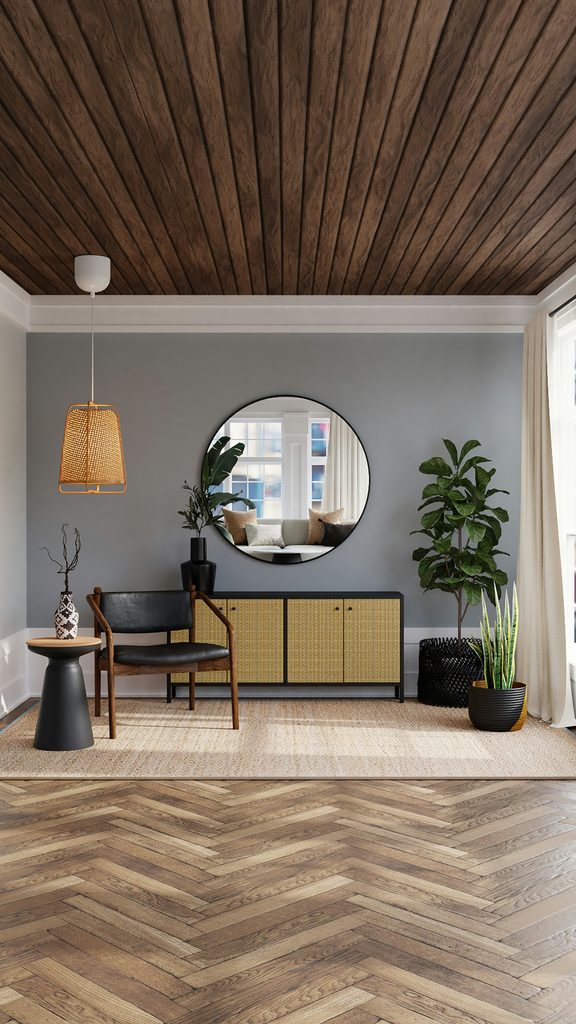
A home remodel is such an exciting chance to make your space truly yours, and for lots of us, that means making it sustainable. When you’re dreaming up a renovation, your flooring choice can actually have a pretty big impact on the environment. Think about it: from the resources used to create it, to all the waste generated during installation, every little step counts. Luckily, it’s easier than ever to make an eco-conscious decision, with tons of beautiful and tough options out there that are much kinder to our planet.
Start with Sustainable Materials
First things first, pick a material that comes from a renewable or recycled source. Look for eco-friendly flooring materials that were harvested responsibly and didn’t require a huge manufacturing footprint. Some popular choices you might consider include:
- Bamboo: This is technically a grass, and it grows super fast, making it a really renewable resource. Just try to find products from companies that use mature bamboo and low-VOC adhesives.
- Cork: This comes from the bark of cork oak trees, and the best part is you can collect it without harming the tree itself. It’s naturally insulating, feels soft underfoot, and even has antimicrobial properties.
- Reclaimed Wood: Using wood salvaged from old buildings gives you that classic hardwood look without cutting down any new trees. Plus, each plank has its own unique story and character!
- Linoleum: Don’t mix this up with vinyl! Real linoleum is made from natural stuff like linseed oil, cork dust, and jute. It’s biodegradable, and you can find it in a huge range of colors.
Checking out these sustainable flooring options will definitely help you find a style that fits your home’s vibe while also hitting your green goals.
Assess Your Project’s Waste Needs
A flooring remodel actually creates a surprising amount of waste. We’re talking about the old materials you rip out, plus all the scraps and packaging from your new stuff. Handling this waste responsibly is a huge part of doing an eco-friendly project. For smaller jobs, your regular trash bins might be enough. But if you’re tackling a whole room or the entire house, that debris can pile up super fast. Planning for this ahead of time will save you a lot of last-minute stress. Often, arranging for a skip bin hire is the easiest way to keep all that construction mess in one spot for proper disposal.
Understand Material Durability
Here’s something many people overlook when it comes to sustainability: how long something lasts. A floor you have to replace every five years isn’t really a green choice, no matter what it’s made of. A floor that’s tough and lasts a long time means less consumption, less waste, and a smaller overall environmental impact over its lifespan. When you’re comparing materials, try to look past just the initial look. Think about how well it stands up to scratches, moisture, and daily wear and tear. Check out the manufacturer’s warranty and read some reviews to get a real sense of how the material holds up in actual homes. Making informed, environmentally friendly flooring choices means finding that sweet spot between how it looks and how it performs over time.
Disposing of Old Flooring Responsibly
Before your gorgeous new floor can go in, you’ve got to take out the old one. Just sending it straight to the landfill should really be your last resort. Many common flooring materials can actually be recycled or repurposed if you know where to look.
- Carpet: Some carpet makers and recycling centers have programs where they’ll take back old carpet. You can check with groups like the Carpet America Recovery Effort (CARE) to find drop-off spots near you.
- Wood: Untreated hardwood planks can often be used again for other projects or even as firewood. If they’re in good shape, think about donating them to a local architectural salvage store.
- Tile: While it’s tough to recycle, clean and unbroken ceramic or porcelain tiles might be accepted for donation at a building material reuse center.
A quick online search or a call to your local waste management office can often reveal some disposal options you might not have even known existed.
Planning for Packaging Waste
Your new flooring will show up with a fair bit of packaging. Cardboard boxes, plastic wrapping, and foam inserts are pretty standard, and they can quickly overflow your recycling bin. Before your project even kicks off, make a plan for all this waste. Break down all those cardboard boxes and bundle them up for recycling. Lots of grocery stores and recycling centers have spots to collect soft plastics like shrink wrap. Foam packaging can be a bit trickier to recycle, but some towns have special collection days or drop-off sites for it. Dealing with this packaging thoughtfully is the final step to making sure your remodel is as green as it can be.
Choosing an eco-friendly floor isn’t just about the material itself. By thinking about your flooring’s entire journey, from where it comes from to where it ends up, you can make sure your home remodel is a project you’ll feel great about for years.
No comments yet.