Wow, what a crazy fall it’s been! With the election and Covid-19, the world seems a bit overwhelming right now!
So what’s a girl to do but spend a little extra time making her home cozy for the rest of the year!
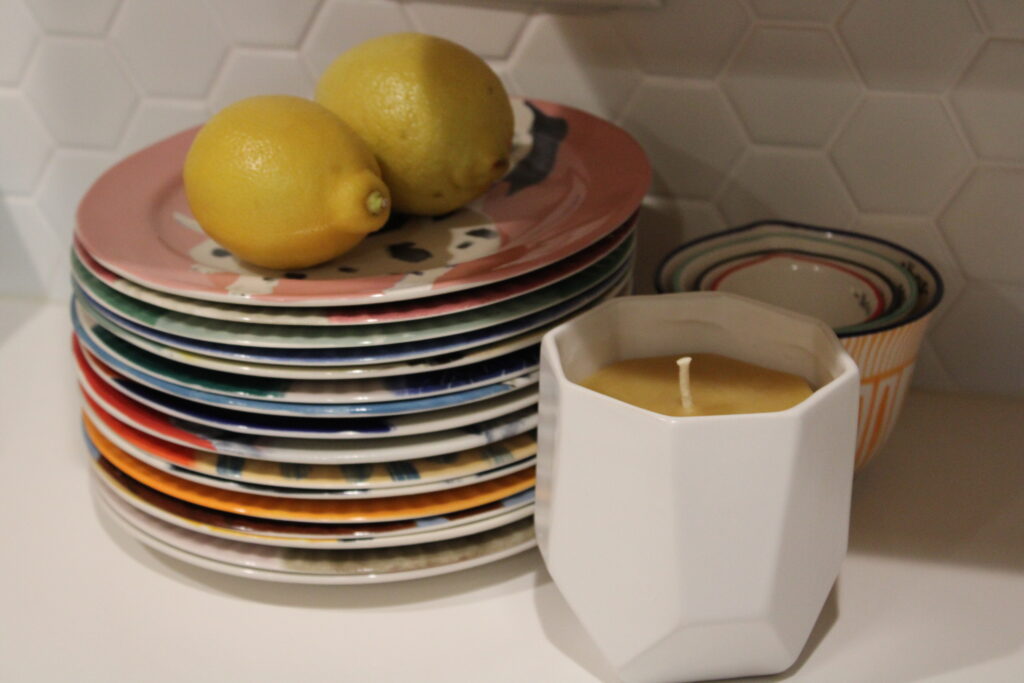
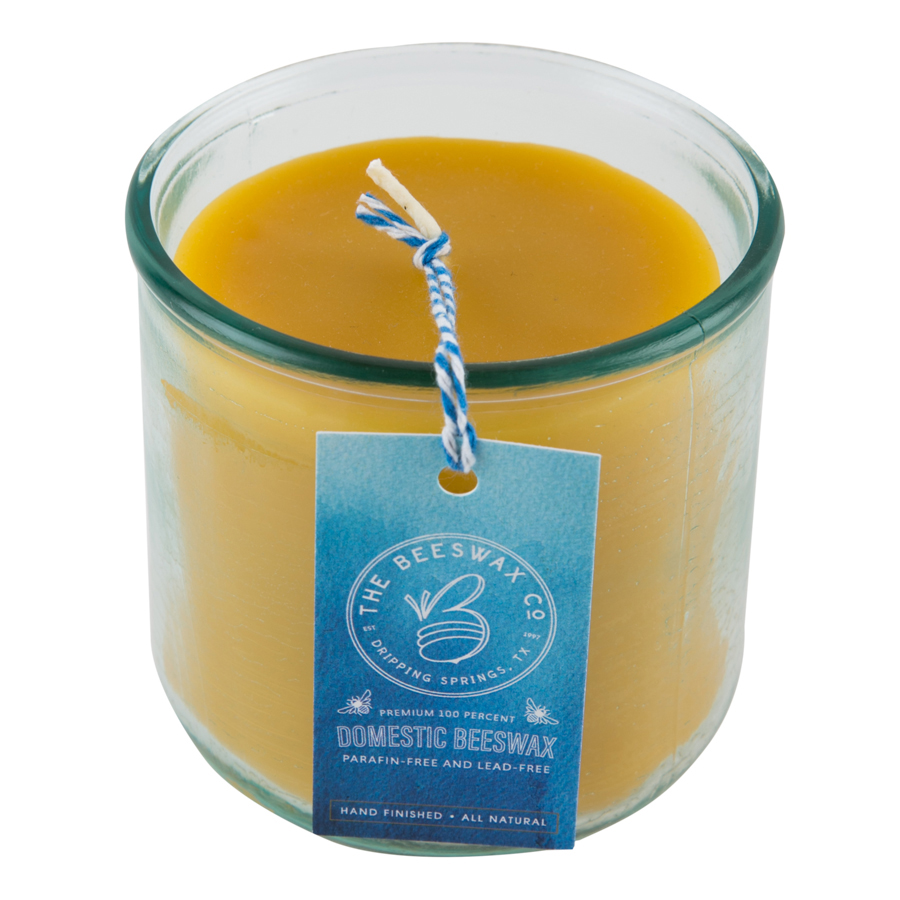
The more that I decorate, the more I find myself relying on my go-to sources for perfect accessories! One of my favorites is The Beeswax Co. The Texas-based brand makes modern natural candles with a sleek, minimalist presence that fits perfectly in my mid-century modern home!
The Beeswax Co doesn’t mind telling you that their family is obsessed with beeswax. They use their grand-daddy’s beekeeping tools to burnish each candle they make by hand and think of their work as a beautiful collaboration between people and bees.
Each step in our hand-crafted process is designed to bring out the natural beauty and healthy burning properties of the 100% pure beeswax we get from Texas beekeepers.
I partial to geometric shapes, streamlined silhouettes and natural scents!
The all-natural honey scent of these candles is amazing! It reminds me of the smell of our backyard in North Carolina!
My personal faves, Honeycomb and Westcave look fantastic in our home. I find myself moving them around so I can look at them all day. I’ll be stocking up on several to keep handy for housewarming and hostess gifts this holiday season. Candles for everyone! I have to tell y’all, they’re absolutely fabulous.
These eco-friendly candles check all of my boxes, all-natural, affordable, beautiful, luxe, and the containers can be reused! These beauties will find themselves holding plants or tolietries in their future!
Let’s add a little fun to your November, I’m giving away a Riverside Candle and a set of Tea lights! To enter leave a comment telling me how you stay cozy during the holidays!
Climate change is a real and serious issue that is negatively affecting millions of lives. Fortunately, everyone can play a role in minimizing the impact of climate change. An excellent way to prevent environmental destruction is to reduce your carbon footprint. Here is all you need to know about the carbon footprint and four pragmatic ways to decrease it.
What is the Carbon Footprint?
Your carbon footprint, simply put, is the amount of gas pollutants you release into the environment. These can come from the production of items you use, like clothes and bags, food processing, and transportation. Of all greenhouse gases, carbon dioxide is the most common culprit of environmental degradation.
If you wonder how you can lower the amount of gas emissions released to the environment, here are four practical ways to go about it.
1. Drive Less
Emissions from car exhausts are arguably the most significant contributor to air pollution. This is particularly true for older cars makes that are less fuel-efficient. It follows, therefore, that traveling by car less would be extremely beneficial to the environment.
Consider cycling to work to reduce your carbon emission. Walk to different places if you can. Both of these activities are good for the environment, and they also help you get some exercise.
If you must use a vehicle, opt for public transportation instead of driving. This is cheaper and can drastically reduce the amount of greenhouse gases emitted into the atmosphere.
Animal agriculture consumes a lot of freshwater, which is a relatively scarce resource. Add in the feeds that cows consume and their production processes, and you have a terrible culprit of environmental degradation.
You don’t have to give up red meat entirely to save the environment: even a little reduction in your average consumption of the meat can go a long way in reducing your carbon footprint. You can even jump start to keto to lose weight and consume less meat.
3. Unplug Devices
How often do you leave devices plugged in even when you are not using them? You may not know it, but unplugged devices draw a lot of power, which is wasted. The energy wastage that results from unplugged devices every year runs into the billions of dollars.
Form a habit of unplugging devices once you finish using them, and you will lower your carbon footprints tremendously. What’s more, you will also save some money in the process.
4. Buy Clothes Wisely
Making clothes is yet another process that heavily burdens Mother Earth. The emissions coming from cloth factories and the discharges flowing to rivers contribute significantly to environmental pollution. Additionally, the garment industry still relies heavily on child labor, which is an incredibly ugly fact about it.
So, what can you do to minimize the ills of the clothing industry? Start by buying a few quality items that you can wear for years. Take care of your clothing to avoid having to replace it frequently. Consider buying gently worn clothes from second-hand stores to reduce the number of waste clothes that end up in landfills. And most importantly, avoid fast fashion; it is expensive and wasteful.
Conclusion
Now that you know what to do to reduce your carbon footprint, all that remains is for you to act. No action is too small to save the environment; even cycling to work once a week can go a long way. Start today and play your part in environmental conservation.
It’s no secret that breakfast is one of the most important meals of the day. You won’t get very far through your day without the chance to first eat something, and the type of food you eat will always impact the way you feel for hours yet to come. Of course, for many people, a slice of toast or a quick bowl of cereal is enough, though this doesn’t exactly create a thrilling breakfast experience. To help you out with this, this post will be exploring a range of healthy, delicious, and easy to prepare breakfast dishes for you to enjoy.
Everything Oats
Oats are one of the healthiest grains grown by humans in the modern world. They are gluten-free, along with being packed with essential vitamins and nutrients that will keep your body running smoothly. Studies have even shown that regular consumption of oats can lower your chances of suffering from heart conditions in the future, while also lowering your blood sugar and helping you to lose weight. Of course, though, how exactly should you be eating your oats?
Oatmeal
Oatmeal has long been one of the most popular breakfast options in the world, with loads of people across the globe using this food source to fuel their days. You can learn more about oatmeal and gluten intolerance online, with loads of resources giving you the chance to soak up information about the type of food.
Overnight Oats
Similar to oatmeal, overnight oats will usually come in the form of a range of ingredients that have been allowed to mingle with oats for a long period (usually overnight). This enables you to create rich flavors and complex meals with barely any work, all while benefiting from the health aspects of oats.
Oatcakes
Similar to pancakes in their form, oatcakes offer a great alternative to this traditional breakfast treat. You can buy ready-made oatcakes, though they are also nice and easy to make for yourself if you’d prefer. You can treat these exactly how you’d treat pancakes, though it’s worth choosing things like fruit over sugar and chocolate.
Not only are oats really healthy, but they are also good for the environment. Unlike other crops, oats can be grown year in year out, all without harming the quality of the soil they are grown in. This means that farmers can continue to grow oats in fields that would otherwise have to take long breaks.
Fruity Fruity
Fruits have been on the menu for humans for their entire existence, and it’s no wonder that we like them so much; they’re an excellent natural source of vitamins and nutrients. This makes fruit great for breakfast, though most people will find it a little unsatisfying to eat raw fruit on its own. Let’s take a look at some of the best breakfast options available for those who love fruit.
Fruit & Yogurt: Yogurt is an excellent source of calcium, along with loads of other vitamins and minerals that your body needs. Plain Greek yogurt is the best of the bunch, but it will be a little boring without some fruit to liven things up. Chopped fruit in yogurt is a great way to start your day.
Smoothies: Making fruit into a drink can be a great way to improve the way that it tastes, while also giving you the chance to enjoy an easy breakfast that can be taken anywhere. Smoothies have long been a popular choice for health enthusiasts, providing you with a way to enjoy loads of fruit and veg without having to eat it raw.
Fruit Salads: Mixing chopped fruit with a little bit of fruit juice sounds nice and easy, right? Fruit salads provide an excellent breakfast option for those with limited time on their hands. Pre-made fruit salads tend to be very sugary, but you can check the pack to make sure that you’re not eating something bad here.
As you probably know, fruits come from plants, and plants are largely made from carbon. This carbon is drawn from carbon dioxide in the air; one of the primary components of climate change. With more and more fruit trees being planted, the impact of human activity could be drastically reduced.
Cereals
It can be all too easy to assume that something like cereal will be too boring for your morning meal. In reality, though, there are loads of different cereal options out there, and you need only find one that you like to enjoy a healthy and green breakfast each day. Granola is a great place to start with this, with options like muesli also appealing to a lot of people. When looking for cereals, you should always avoid those that come in colorful packets that are designed for children.
While not every cereal manufacturer is green, it’s easy to find examples that reflect your passion for the environment when you’re looking at healthier cereals. It’s always worth doing some research before you buy products like this, with companies like Nestle doing a good job to make their products look ethical and green, but the reality of these products being really quite different.
With all of this in mind, you should be feeling ready to kickstart a life of better breakfasts. It can be hard to make sure that your morning meals tick all of the boxes, but there are loads of options on the market that can help with this. From oatmeal to cereal, you’ve never had a wider range of breakfast options available, and this makes it easy to find options that you like and are good for your body.
Have you already started the countdown to the festive season?
Most of us have! There are only a few weeks left to get your Christmas plans ready. However, with about 6 weeks before Christmas, you can still make it count and create a sustainable festive look. It’s easy to panic and choose easy solutions. But before you turn to the high street brands, here are some ideas to embrace the Christmas colors while going green.
It’s hard to think of the festive season without thinking of Santa’s costume, Rudolph’s nose, and the yummy candy canes. Red is the color of Christmas, and that could be your festive look this year. Are you ready for a red Christmas that is green?
Warm henna hues for your hair
If you are familiar with home DIY kits for hair dyes, you probably already have found a few trustworthy brands that are good for your hair and the environment. Natural hair dyes are safe for the planet, as they don’t cause any damage when you wash them away in the sink. More importantly, because of their low chemical content, they are gentle on your hair. Brands such as Aveda and Original & Mineral refer to their dye’s formulas as clean and eco-conscious technology. Alternatively, if you prefer a subtle red nuance, you can also try henna for the hair which gives a warm, reddish glow to most hair colors. If you’re new to using henna, be aware that it may take two to three applications to get it right. But the product is safe to use and reuse.
Warm eyeshadow and blush palette
With plenty of skin-safe and gentle make-up products available, it can be challenging to find the right thing for you. When it comes to your Christmas look, you may want to splurge on the purchase of a vegan eyeshadow palette buy here for a warm look. You can use burgundy or maroon hues for a toned-down look. If you are feeling more adventurous, a trendy pink can turn heads around the Christmas dinner table.
Your very unique Christmas dress
A little DIY can go a long way to getting your Christmas dress ready. You’ll find plenty of fabrics that have been colored using natural dyes and produced sustainably. Ecological textiles are typically available from specialist shops online. Sewing a simple dress can be a fun Christmas challenge. With a lot of tutorials available, you can rely on free material for guidance. If you are unsure how to proceed, it can be helpful to use one of your dresses as a basic pattern to follow.
Eco-friendly tights that set the mood
Are tights eco-friendly? Not all tights are sustainably produced, but a lot of brands have green concerns. Swedish stockings recycle used tights from any brands. The brand also cuts down on water use and relies on vegan dyes only. So you can showcase your legs with an elegant design that doesn’t damage the planet.
Are you ready to make your Christmas look go further? Looking your best for a stylish celebration at home doesn’t have to be damaging for the planet. You can be pretty in red while protecting our green and blue planet.
OK, so I have a sweet tooth, it is true. I love a little something sweet each day and today I am in love with the Peach Creme with Gingersnap Crust from one of my favorite blogs Sprouted Kitchen. It is a fab blog created by a lovely gal named Sara who cooks the most amazing recipes using only local and organic foods. Her love, Hugh does all of the fab photography. I will be featuring some of my favorite recipes from Sprouted Kitchen on Sweet Greens for you to enjoy. Please visit Sprouted Kitchen for more amazing recipes and photography.
Ingredients:
The science of this pie is that the lemon reacts with the milk products to help the filling firm up. Be sure to give it ample time to do its thing before serving.
What you will need:
* The Crust
10 oz. Gingersnap Cookies 3 Tbsp. Butter
* The Filling
1 14 oz. Can Organic Sweetened Condensed Milk {low fat optional} ½ Cup Crème Fraiche ¼ Cup Fresh Lemon Juice 1 tbsp. Cinnamon 1 ¼ Cup Ripe Peaches, Peeled and Diced
Directions:
1. In a food processor, grind the gingersnap cookies. Add the butter and pulse to combine. 2. Press the cookie mixture evenly into the sides and bottom of a 9’’ glass pie pan. Pop this in the freezer while preparing the filling. 3. In a bowl, whisk the condensed milk, crème fraiche, lemon juice, and cinnamon together. Give the peach pieces a good squeeze in your fist to crush them up a bit, and add to the cream mixture. Whisk together. Add the filling to the chilled cookie crust. 4. Let the pie firm up in the fridge for at LEAST 4 hours. We put ours in the freezer, and then let it sit for a bit before serving.