Tag Archives | green health

The Truth About “BPA-free” Plastic

BPA

A few months ago, a good friend, fellow mom, and super responsible eco homesteader sent out an email to all the mothers in her community about a new study on BPA-free plastic. Essentially, the study has found that even plastic products claiming to be BPA-free contain traces of BPA high enough to be harmful to test subjects and, more importantly, our babies. BPA, or bisphenol A, is a plastic additive that is an endocrine disrupter mimicking the structure and function of the hormone estradiol, and exposure to it has been linked with serious health issues including cancer, accelerated puberty, inhibited neurological development, and behavioral and prostate gland issues when fetuses, infants, and children are exposed to it. Practically everyone uses plastic bottles, sippy cups, and toys, and unfortunately not even all of these products on the market advertise themselves as BPA-free. Exposure to this chemical in the early developmental years is especially harmful, making it even more important to eliminate your plastic use, especially when it comes to baby and children’s products. The following are three great ways to ditch plastic.

#1 Switch to Stainless Steel or Glass Bottles and Sippy Cups
Bottles and sippy cups are probably the number one way babies and children become exposed to BPA (and other harmful additives like phthalates and PVC) because they are literally drinking out of them and subsequently drinking traces of these chemicals that have leached into their juice, milk, or water. Fortunately there are a few great companies making stainless steel and glass alternatives. My personal favorite, which the friend I mentioned turned us on to, are Pura Kiki Stainless Steel bottles and cups. The bottles are 100% BPA, PVC, petroleum, and phthalate free, and use silicone sippers and nipples instead of plastic. Bottles become sippy cups just by substituting the nipple for a sipper. Some other great brands that are now producing kids’ products include Klean Kanteen and Lifefactory.

#2 Switch to Wood and Cloth Toys
When I began researching harmful additives in baby toys, I found a list from the Healthy Toys Project of the top ten most dangerous toys, including the “killer zerbra“. I was shocked to find two of my daughter’s favorite toys on the list–one of them at the top. Since babies put everything in their mouths, I’ve come to feel that no plastic is safe in our daughter’s toys. Of course it can feel impossible to avoid it 100% (we still have MANY plastic toys and will get rid of some as she grows out of them), but choosing solid wood toys–made with wood that is safely sourced and non-toxic–with safe, non-lead paint is a safer option. Some of my favorite wood toy brands include Haba, Hape, Boikido, and PlanToys. Under the Nile makes some very cute organic cotton toys including friendly little vegetables with faces. While I’m 100% a supporter of reducing, reusing, and recycling, when I’ve discovered that one of my daughter’s toys contains harmful toxins like lead, PVC, BPA, phthalates, or any number of toxic dyes or any of the other 66 Chemicals of High Concern to Children, I’ve thrown them out. The way I see it, if the toy isn’t safe enough for my child, it’s not safe enough for someone else’s. If you want to help provide toys for impoverished children, donate ecologically responsible, safe toys during toy drives or simply purchase some and donate them to a thrift store.

#3 Don’t Eat off of Plastic
Plastics leach their harmful chemicals continuously, especially when heated (like when you dump still-hot soup or mac and cheese into a tupperware). One of my favorite brands selling safe, non-plastic baby food storage, tableware, and cutlery is Green Sprouts by iPlay. Their collection includes bowls, spoons, plates, cups, and even toys and hygiene products made of silicone, bamboo, stainless steel, and corn starch. I have yet to find a high chair tray that is not made of plastic, but luckily most convertible high chairs these days have a removable tray and can be pushed up to the dinner table so your little one can eat with the family instead of eating off the tray. Once again, we haven’t found it possible to get rid of all the plastic eating-ware in our home, but we’re slowly replacing it at a rate we can afford.

Above all else, the most important thing is that you do your own research and stay up to date on emerging information. YOU know what’s best for you and your family, but having the latest information helps you make an informed decision, whichever way you go. Our babies are little sponges soaking up everything in their environment. Yes, wood toys, silicone eating ware, and stainless-steel baby bottles are more expensive–but so are the harmful diseases these toxins can cause. Because I am someone with an estrogen-fed, chronic condition (endometriosis) that will supposedly be passed down to my daughter, the cost of replacing the plastic in our home is worth it. I’ll do whatever I can to help her avoid developing endometriosis and the resultant infertility and chronic pain it can cause. As always my goal is to support all moms regardless of whether or not we agree. My hope is that this information will help someone else as much as it helped our family.

(Reblogged from Zero to Mom)

Water Conservation Saves the Earth and Saves Money

water conservation

NOTE FROM SWEET GREENS: This post, Water Conservation Saves the Earth and Saves Money was written by Jenna. Jenna is a freelance writer who writing focuses on eco-lifestyle, health and wellness.

Your home is one of the first places to start conserving natural resources and reduce your carbon footprint. Making sure your home is properly insulated not only keeps you warm during the cold months, the insulation, venting and weather stripping can also reduce your energy usage during the warmer months that are popping up ahead.

While energy conservation at home is super important, another area of concern is water conservation. The truth is that there is a shortage of fresh water on this planet. In fact, including municipal water supplies, less than three percent of the water on this planet could be considered fresh. Adopting water conservation practices now will not only preserve our water supply, it can also save you money. There are several ways to conserve water around your home. The two easiest ways are to modify the appliances and equipment that use water, and to modify your behavior.

Appliance and Equipment Modification

Appliance and equipment modification usually involves making changes to your plumbing, or to the devices that use water in your home. Even if you don’t own your home, or you live in an apartment, you can still make many of these changes:

  1. Upgrade Your Toilets
    Prior to 1994, the average residential toilet used 3.5-to-5 gallons of water per flush. In 1994 all residential toilets were required to operate on 1.6 gallons or less. However, if you have an older toilet, you could still have a high-flush model. If you can’t replace the toilets, insert a displacement device into the upper tank to conserve your water use. A displacement device makes the water level appear higher than it is, similar to when you sit in a full bathtub and the water rises. Common displacement devices include bricks and water-filled plastic containers. If you want to add a bathroom to a space in your home that doesn’t have traditional plumbing – a Saniflo toilet could be the solution for you.
  2. Install Special Aerators on Your Faucets and Showerheads
    The aerator makes the water bubbly and provides good water pressure while simultaneously reducing the amount of water flowing through the faucet. So you can enjoy your shower, and actually rinse your hair, without using too much water.
  3. Install Shower Timers
    To reduce your time in the shower, and the amount of water down the drain use a timer when you jump in the shower.
  4. Check and Repair All Leaks, Especially in the Toilet
    Toilet leaks can send hundreds of gallons of water down the drain and cost you a lot of money in water and sewer fees.
  5. Invest in High-Efficiency Washing Machines and Dishwashers
    When it is time to replace the machines that you currently have choose machines are designed to clean effectively with the minimum amount of water.

Behavior Modification

Behavior modification is essentially changing the way you use water, here are 7 ways that will have you conserving water in no time:

  1. Take fewer showers during the week, if possible;
  2. Plug the bathtub drain, during your shower, and reuse the collected water to flush your toilet;
  3. Consider only flushing the toilet once a day, or when you have solid waste;
  4. Avoid running the water while shaving, brushing your teeth, or washing dishes;
  5. If you have a dishwasher, avoid running the washer when half empty;
  6. If you have a washing machine, adjust the water level based on the size of the load;
  7. Use rainwater for gardening, washing your car, and other outdoor uses.

YOUR TURN: How are you conserving water in your home?

Winter in May? Going Green to Beat the Winter Blues

Winter in May How to Green Your Winter Blues

NOTE FROM SWEET GREENS: This post, Winter in May? Going Green to Beat the Winter Blues was written by Jenna. Jenna is a freelance writer who focuses on personal finance, eco-lifestyle, and health.

I know that a lot of you around the country are still dealing with winter – snow in May, no fun! Even if you don’t officially suffer from Seasonal Affect Disorder, dealing with the prolonged winter is difficult for anyone. Sure, you appreciate the break in the heat and the cooler wetter days when it first arrives but as it drags on—especially since snow in May isn’t rare anymore—it’s easy to get gloomy. It is important during the last dregs of winter that you take steps to keep your mood and your home as easy to live with as possible.

Believe it or not, one of the best ways to deal with the winter blues is to go green or “green up” your home. Seriously! Think about it for a second: going green helps improve the overall environment in your home, which can improve your mood. It also, often, helps reduce your utility costs (which tend to spike in winter as you run the heater and keep the lights on longer) which reduces stress. So what, specifically, should you do to green up your home for winter?

1. Go Green Literally

Plants are a fantastic addition to any home. They scrub the air, making it healthier to breathe. They also add moisture to the air, which is always helpful during the winter when the air—even when it’s raining—is drier than it is during the summer. Beyond that, there’s the decorative factor—bright green plants add a great decorative touch to a room. Plus, you can always go to a retailer like Willis Orchards to buy palm trees or other organic tropical plants and flowers and pretend you’re at the beach!

2. Daylight LED Bulbs

People who are diagnosed with Seasonal Affect Disorder are usually told to spend some time each day sitting in front of special “sunlight” lamps. These are lamps that are designed to replicate the light and warmth of sunlight and have proven quite effective. They can also be quite expensive. There are, however, cheaper alternatives that you can find with a little investigating. Daylight simulation LED bulbs can be bought piecemeal from most home improvement stores. These are different than sunlight lamps in that they don’t mimic the warmth of sun, just the sun’s light. Look for LED bulbs that are at least 2,000 Kelvins though 5,000 Kelvins is better. Put these bulbs in lamps around your home—it will look like the sun is shining indoors.

Note: LED bulbs are more expensive outright but they save tons of money over time and are better for the environment!

3. Air Flow

During the winter, we tend to bundle up—both our persons and our homes. We latch the windows and close the doors, trying to keep every iota of cold and dry winter air out. It’s understandable that you don’t want to pay to “heat the outdoors.” At the same time, spending copious amounts of time in a stuffy room can do just as much to sour our moods as not getting enough light. Fresh air is important! It’s amazing how we don’t notice the air flow much at all until the air around us just sits still!

There is ducting that you can install in your home to keep air flowing year round, even when the windows are closed. Or, you can simply open your windows a few times a day to let some fresh air inside. There are a couple of ways to do this: you can do this in the late morning or early afternoon when the air outside is warmest. Or, at night when you’re going to bed, you can open the windows in rooms like your kitchen or living room—rooms that won’t need to be reheated right away.

These are just three of the things that you can do to “green up” your home to help combat those winter doldrums. What are some of the things you’ve been doing?


Disclosure Statement

The Ecocentric Mom Box is the Perfect Treat for Summer

ecocentric mom box, subscription service
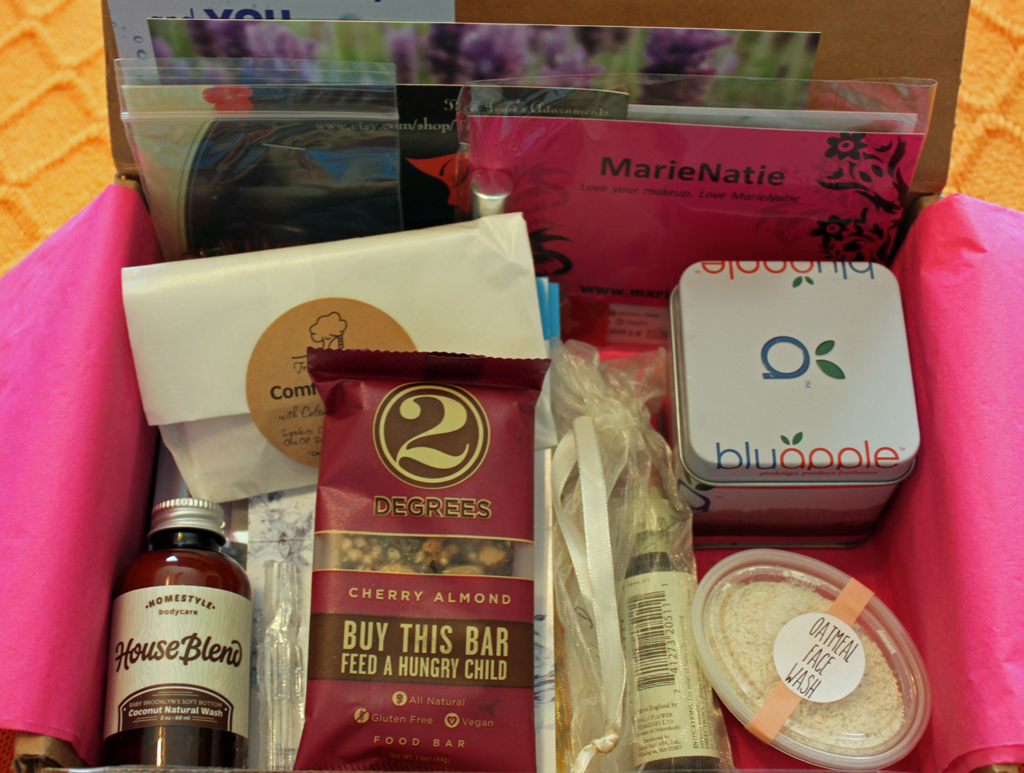
The spring Ecocentric Mom Box was full of wonderful goodies that are perfect for spring and summer! If you are considering joining a subscription box service full of eco-friendly goodies, Ecocentric Mom is for you! A subscription would make a wonderful Mother’s Day gift too.

Here’s a peek inside the March/April Box:

  1. Bach Original Flower Remedies
    I really enjoyed these remedies, I received Elm and keep it on my desk. I pick it up when I am feeling overwhelmed and it really helps be to recenter!
    + $19.98 per 20ml bottle
  2. Eco-Friendly Organic Acai Seed Bead Hair Barrette
    This hair barrette is super cute and would be perfect for a little girl. All of the jewelry is eco-friendly and sustainable too!
    + $5
  3. 2 Degrees Food Bar
    For every 2 Degrees bar you buy, they donate a meal to a hungry child! These bars are also gluten-free, vegan, all natural and GMO free.
    + $1.99
  4. Treefort Naturals Comfrey Salve
    I am a huge fan of salves and keep one in my handbag at all time. They are perfect for burns and scraps – so with a kiddo, it is a must.+ $8
  5. Organic Caffeine Free Roman Provence Rooibos Tea
    I love tea, and this fruity berry flavored tea is one of my favorites!
    + $6.99-8.99/2 oz. bag, brews 20-25 cups
  6. Powernap 2-CD Set
    Yay! Who doens’t love a power nap! This CD features ambiant music which envelops you – I look forward to giving this one a try!
    + $9.99
  7. Oatmeal Grapefruit Face Wash Powder by Homespum Northwest
    This facewash has to be the yummiest smelling one out there – and super gentle on my skin too!
    + $3.50/2 oz
  8. Bluapple – Prolongs Produce Freshness
    Just place this super cute blue apple in with your produce and you will prolong its freshness.
    + $9.99/2 pack
  9. House Blend Organics Coconut Body Wash
    I love coconut and this body wash worked really well on my dry skin – it’s super hydrating.
    + $14.95
  10. MarieNatie All Natural Lip Gloss
    Free from harsh chemicals, this natural lip gloss packs a lot of color!
    + $5
  11. Sport Suds Laundry Detergent
    This laundry detergent removes funky smells from clothes and sporting gear – perfect if you have an active teenager!
    + $20.95/400g Jar/34 loads

Green Tips: Choose an Eco Friendly Sunscreen

sunscreenIs using sunscreen a part of your daily beauty regimen? If not, it definitely should be, since using sunscreen is essential for a healthy body. Sunscreen reduces the risk of cell carcinoma, so adding it your daily routine is a must. It is important to stay covered up as much as possible, stay out of direct sunlight during the hottest times of the day 10am – 4pm and take the time to visit Skin Deep to get current sunscreen ratings and find a great natural sunscreen that you protect your body without harming it.

Unfortunately, the higher the SPF on traditional sunscreens, the higher amount of chemicals that it contains. Conventional sunscreens contains phthalates, diethanolamine and benzophenone oxybenzone, which are all harmful to your health. (See my complete list of personal care product ingredients to avoid here.)  Also, conventional sunscreen contaminates our water supply when we bathe and swim, therefore endangering the lives of our marine mammal friends.

YOUR TURN: Do you have a favorite natural sunscreen?  How do you protect yourself from the sun?