
When it comes to eating healthy, there are a lot of misconceptions out there. For example, people think that they have to deprive themselves of all the foods they love in order to be healthy or that healthy eating is expensive and difficult. This simply isn’t true! In fact, by following a few simple tips, you can create healthy eating habits that include nutritious and delicious foods. Here are five helpful tips for getting started:
Make sure you’re getting enough protein:
Protein is an essential nutrient for our bodies, and it’s important to make sure we’re getting enough of it. Good protein sources include lean meats, poultry, fish, eggs, dairy, beans, nuts, and seeds.
Protein not only helps to keep us feeling full and satisfied after meals, but it also plays a role in maintaining muscle mass and strength. So if you’re looking to create healthy eating habits that include nutritious foods, be sure to have plenty of protein-rich options in your diet.
As well as including protein-rich foods in your diet, it’s also important to choose quality over quantity when it comes to meat and poultry. Look for products labeled “lean” or “extra lean,” and focus on getting your protein from whole, unprocessed sources.
Incorporate plenty of fruits and vegetables:
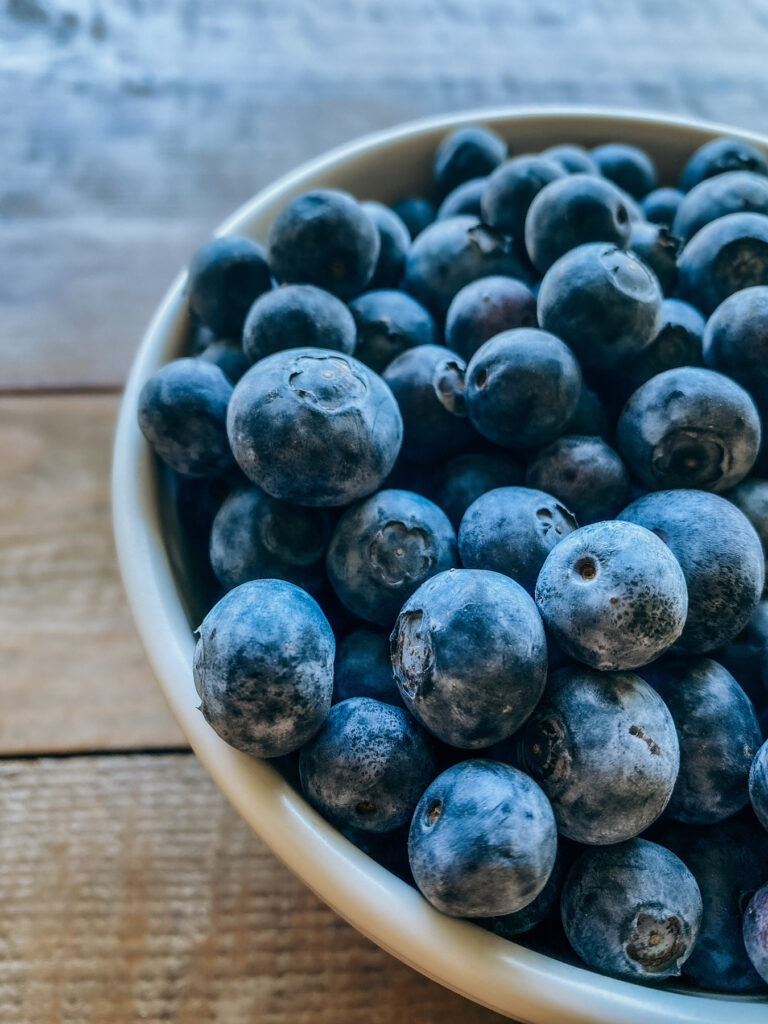
Fruits and vegetables are packed with nutrients that are essential for good health, so it’s important to make sure they’re a part of your healthy eating habits. Aim to include various colors and types of fruits like fruit chaat with roasted peanuts in your diet, as each one offers its unique set of vitamins, minerals, and antioxidants.
In addition to being nutritious, fruits and vegetables are also low in calories and high in fiber, making them great foods for weight loss or maintenance. So if you’re looking to create healthy eating habits that help you lose or maintain weight, be sure to fill up on plenty of produce.
There are endless possibilities when it comes to incorporating fruits and vegetables into your diet. You can enjoy them as part of a healthy breakfast, add them to a lunchtime salad or wrap, or include them in a hearty dinner recipe. And don’t forget about snacks! Fresh fruits and veggies make great snack options when you’re looking for something nutritious and satisfying.
Choose whole grains:
Whole grains are a great source of fiber, vitamins, and minerals and should be a part of any healthy diet. When choosing grain-based products, look for those made with 100% whole wheat or another whole grain. This means that the product contains all three parts of the grain — the bran, germ, and endosperm — which provides more fiber and nutrients than products made with refined grains.
Some examples of whole grain-based products include 100% whole wheat bread, oatmeal, brown rice, quinoa, and popcorn. These foods can easily be incorporated into your diet instead of their refined counterparts. For example, choose a 100% whole wheat sandwich on your next trip to the deli, or enjoy a bowl of oatmeal for breakfast instead of sugary cereal.
Limit processed and sugary foods:
Processed and sugary foods are often high in calories and low in nutrients, making them a less-than-ideal choice when it comes to healthy eating. So if you’re looking to create healthy eating habits, limiting your intake of these types of foods is essential.
When it comes to processed foods, try to choose items made with whole, natural ingredients. And if you crave something sweet, opt for a healthier alternative like fresh fruit or dark chocolate instead of candy or cake. By making these simple swaps, you can still enjoy the occasional indulgence while keeping your overall diet nutritious.
Drink plenty of water:
Water is essential for good health, and it’s important to ensure you’re getting enough of it daily. The recommended daily water intake is eight cups, but you may need more or less depending on your activity level, the climate you live in, and other factors.
In addition to drinking enough water daily, choosing quality over quantity is essential when it comes to your H20. For example, stick to filtered or bottled water instead of sugary beverages like soda or fruit juice, and avoid adding sugar or artificial sweeteners to your water. By making these simple changes, you can help improve your overall health and create healthy eating habits.
Following these six tips can help you create healthy eating habits that are both nutritious and sustainable. So, if you want to improve your diet, incorporate these suggestions into your routine. You can make a significant impact on your health by making small changes!
No comments yet.