Author Archive | Jennie Lyon

How To Reduce Your Carbon Footprint While On Vacation

Summer is almost here, and many people are itching to go on vacation after a long time at home due to Covid-19 related restrictions. However, traveling is a significant contributor to carbon emissions, and with vacation plans in full force, it may help to offer some tips to reduce your carbon footprint when traveling. But before you embark on your vacation, you should check out what Stephen Troese Jr has to say about conserving energy this summer. Here are some minor tweaks you should consider making to your travel plans to reduce your carbon print on your travels.

Traveling by air

The most preferred mode of transport when it comes to traveling is by air. However, flying produces a high rate of carbon emissions than any other mode of transportation. It gets even worse when you do transits as direct flights have fewer emissions than local flights. For instance, a direct international flight will typically emit 6g of CO2 for every kilometer, while a domestic flight will emit over 100g of CO2 for the same distance.

Traveling by rail

You should seriously consider traveling by rail if you want to reduce your carbon footprint. According to studies, traveling by train reduces carbon emissions by up to 90% compared to traveling by air. Using the train for travel is also a wonderful experience in itself as you closely see the beautiful countryside.

Traveling by road

Traveling by road can be fun, especially with family. There are so many fun and family bonding activities you can engage in on the trip to make it exciting. Although you may want to stick to traveling as a family, you should consider going by public transport for such long distances. Using buses or other group means of travel are more sustainable as smaller vehicles tend to emit more CO2 per kilometer.

Pay to offset your carbon footprint

Often for several reasons, you may be unable to reduce your carbon footprint. In such situations, you should always look out for opportunities that will enable you to offset your carbon footprint. There are many travel companies and airlines that provide the avenue for you to offset your carbon footprint. One of such avenues is to charge specific amounts in addition to the cost of your travel tickets. These extra payments are used to fund eco-friendly projects that will help balance the environment.

Eco-friendly things to do at your destination:

Walk or use bikes

You will still need to get around from your hotel to wherever you need to go at your destination. To reduce your carbon footprint, consider walking or using bikes. This is a great way to interact with the people and enjoy the local scenery. You can also decide to carpool with other people who are heading in the same direction.

Avoid single-use plastics

Though single-use plastics may seem convenient, they pose a significant risk to the environment. So on your vacation, try to use a water bottle for all your water needs and also remember to pack washable containers you can use for food.

Manage your food

Food waste is one of the significant contributors to greenhouse gases. When food is sent to dumpsites, it produces methane as it decomposes, adding to your carbon footprint. Kindly do well to ensure that you do not waste food during your vacation.

How Close Are You To Having An Eco-Friendly Home?

An eco-friendly home can exist in many forms, depending on where you are in the world and how you’re currently managing your household. After all, it can seem a little expensive to go as green as possible, and when you’ve already got solar panels installed on the roof, how much further do you need to go? 

Well, there’s always another, small change you can make to keep your home the cozy and eco-friendly place it needs to be. We all have to do our bit to help the planet, and it’s often a lot more accessible to do so than you might think. And because of this fact, here are a few questions to ask about the green factor in your home right now. 

Are You Reducing Waste?

Waste is something every single house out there produces, but often enough, we produce too much. And if you’re constantly using paper and plastics within your home, you’re going to be contributing to this major tonnage. 

You want as many reusable things as possible; straws, bags, bottles, clothes, etc., and you’ll want to recycle more than you’ll want to contribute to landfill. Old furniture and electronics are two of the main reasons why garbage tips struggle to cope, so try to dispose of them at second hand shops, or see if there’s a local (or brand sponsored) recycling campaign for such items available. 

Are You Cutting Down on Your Bills?

Your bills are very much indicative of how much energy, gas, and water you’re using month by month. And because of this, it’s a good idea to work on cutting them down as far as you can. Using less means paying less, and when it comes to energy savings that have a positive impact on the planet around you, there’s plenty you can do. 

For example, you could work with a renewable only supplier, which’ll help to keep your carbon footprint down. You can also install LED bulbs in any lights around the home, which can also cut down your bill, and you can even try using a water tank to keep your home’s plumbing flushing through in a renewable manner too. 

Are You Growing Your Own Food?

Finally, if you’re someone who has ample space in their garden, or even just a couple of window boxes to make use of, you can try your hand at growing your own food. It’s a lot easier than you’ve been led to believe!

After all, when given the right conditions to grow in, plants can mostly take care of themselves. And seeing as vegetables such as tomatoes, beans, peas, and leafy greens will shoot up with just a bit of soil, you’ve got the chance of pulling in a fine harvest once the summer rolls around. 

An eco-friendly home doesn’t have to be perfect, but you’ll certainly have to try and make some green changes. So, cut down on your bills, try your hand at gardening, and throw less away.

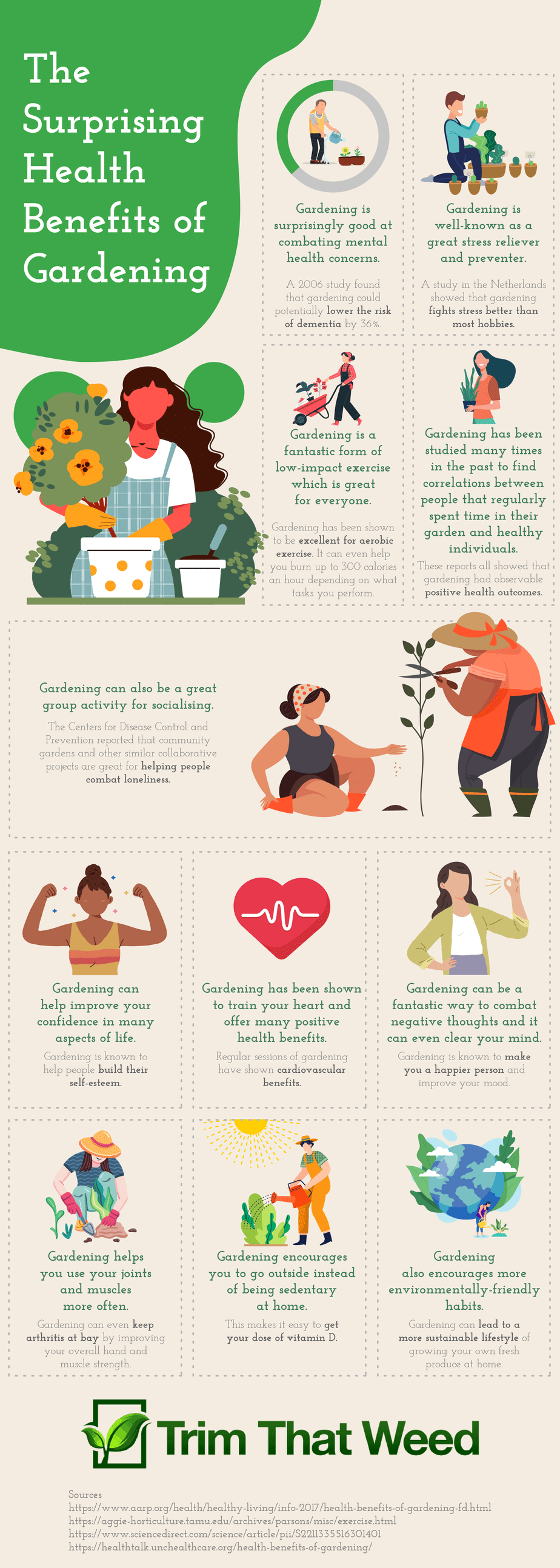
Living Sustainably and Healthily with Your Garden

Many people would attest to the many benefits gardening has on one’s mental and physical health. There is no denying the peace that comes with being able to nurture a plant from its earliest days up until it’s time for harvesting. Gardening also comes in various shapes and forms; it can merely be a hobby you like to invest some time in after a stressful day at the office, or it can even be a means of putting food on the table. Growing your own vegetable garden can offer a means of providing food for your family and saving on costs while doing so, as well as stir up a passion for producing fresh products and doing your part for the environment.

If you would like to cultivate your own vegetable garden but aren’t sure where to start, try doing some research on what fruits and vegetables you can start off with that require minimal space and offer substantial produce – this can kick-start your gardening journey and also provide you with significant rewards within a short period of time. Gardening may also motivate you even further to help lessen the effects we humans have on the environment. There are also many health benefits associated with gardening that make it even more worthwhile, providing a win-win situation for you and your outdoor sanctuary. Have a look down below at some of these health benefits that explain why gardening is a must for any person looking to live a healthy and positive life.

>
Infographic Designed By Trim That Weed<>

How To Get Healthy And Save The Planet

Many people want to reduce their weight. Many people also want to reduce their carbon footprint. So why not pursue both goals at the same time? Many of the ways in which you can improve your health are also ways in which you can protect the environment. Below are a few ways in which you can lose weight and save the planet simultaneously. 

Drive less, walk more

Driving a car doesn’t burn many calories. It also causes environmental damage – not only are you consuming more fossil fuels by driving a petrol or diesel, but you’re also creating carbon emissions that contribute to climate change. 

By walking more, you can step up your amount of daily calories burnt – walking up to an hour more per day can burn up to 350 extra calories. You’ll also reduce your carbon footprint in the process.

Don’t have time to walk an extra hour per day? Why not take up cycling? Cycling can burn even more calories and is also environmentally-friendly. It could be a means of commuting to work or even going shopping locally. Try to save your car only for the really long journeys that you cannot realistically cycle or walk. 

Consume more fresh fruit and veggies

Many of us could lose weight by simply eating more fresh fruit and vegetables and less processed foods. Fruit and vegetables don’t have to be boring – there are lots of tasty ways to consume these foods such as putting them in the form of nutritious smoothies, soups, casseroles and omelets. You can find plenty of recipes and ideas online.

Eating more fruit and veg can also have a positive environmental impact. Such foods are very sustainable and produce minimal harmful waste by-products (unlike meat, dairy and processed foods like bakeries and candy). This is particularly the case with fresh, organic, local and plastic-free fruit and vegetables. Such fruit and vegetables can be bought at local stores and farmer’s markets. You can even grow your own fruit and vegetables. 

Consume less meat and dairy

A diet high in meat and dairy could be adding inches to your waistline. Such foods naturally contain a lot of fat. Processed meats and dairy are particularly fattening – because they’re not as natural, the body doesn’t quite know what to do with them and so stores more of the proteins and carbs as fat. 

The meat and dairy industry also causes a lot of damage to the environment. Entire forests are often destroyed to farm livestock like cattle. Wild populations of animals like fish are meanwhile decreasing due to being hunted for their meat, which has an impact on the entire eco-system.

By adopting a vegetarian – or a more flexitarian – diet, you could lose weight and save the environment. Many foods like nuts and beans can be excellent sources of protein that are equal to meat. There are even artificial meats that are being brought onto the market as an alternative to real meat. Meanwhile, there are plenty of non-dairy milks such as soya and oat milk. 

Simple Ways To Make Your Lifestyle More Eco-Friendly

More and more people are embarking upon a mission to embrace greener ways of living. If you’re looking to make a difference and do your bit, you don’t have to overhaul your lifestyle. Here are some simple ways to go green. 

Make your home more energy-efficient

One of the best ways to make a positive difference to the planet is making changes at home to increase energy efficiency. Using less energy will help you reduce your carbon footprint and it could also save you a substantial amount of money. Swap conventional light bulbs for LED lights, improve insulation and consider replacing old or outdated heating systems and electrical appliances with smart alternatives. Modern appliances use less energy and they are also usually packed with features to offer improved functionality. If you find that you spend a lot of money on keeping your home warm or cool, use a thermostat to set the perfect temperature and upgrade old furnaces or AC units that consume a lot of energy. 

Travel less

We are accustomed to jumping on a plane when we want to take a break and most of us don’t think twice about getting in the car to drive around the block to visit a friend or go to the grocery store. Traveling less can help to reduce your carbon footprint and lower emissions. If you do have to drive frequently for work, look into eco-friendly vehicle options. If you have to fly, search for airlines that offset carbon emissions and try and limit the number of trips you take. 

It’s also an excellent idea to swap driving for cycling or walking if you’re staying local and to make the most of your home. If you have fun at home, you don’t need to go out all the time. Spend quality time as a family playing in the garden, going for walks, doing creative activities or watching movies snuggled up on the couch on a Friday night. If you visit troypoint.com, you can find out how to stream TV shows and movies and access popular apps. You can also minimize travel by working from home more frequently or sharing rides with colleagues and coworkers. If you have kids, you can liaise with other parents to organize drop-offs and pick-ups and save taking separate journeys every day. 

Recycle and reduce waste

Be honest. How often do you buy things you don’t really need or even want or throw items away that you’ve barely used? We live in a society where it’s possible to buy at the touch of a button and where marketers and retailers often encourage us to buy more than we need. Reduce waste, ask yourself if you really need to make purchases and make the best of the products or produce you do buy. If you’ve got food left over after cooking a meal, for example, use it to rustle up lunch the next day or freeze the remaining portions for dinner later in the week. 

You can also reduce waste by recycling. You can recycle paper, metals, cardboard, plastic and glass and it only takes a second to sort your trash. For helpful recycling tips, check out this article https://www.epa.gov/recycle/how-do-i-recycle-common-recyclables

Many people are looking for ways to do their bit to protect the planet but they worry that small steps won’t make a difference. The truth is that every little helps and making changes is manageable.