
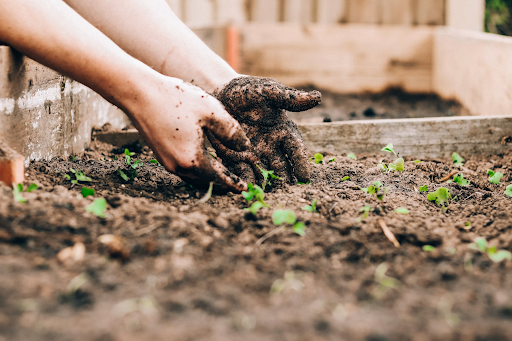
Every successful garden has a secret, and it’s not just about the plants you pick or how much sun they get. It’s really about what’s happening underneath the surface. Getting your garden to thrive starts from the ground up, with rich, balanced soil that gives everything you grow a strong foundation. If you focus on making your soil healthy first, you’ll save yourself a lot of time and effort later, and end up with tougher plants and a prettier outdoor space.
Why Soil Matters Most
Don’t just think of your garden soil as plain dirt. It’s actually a busy, living world. It’s a mix of minerals, organic bits, water, and air, all supporting a whole community of tiny creatures. This lively environment is what lets plant roots dig in, grab important nutrients, and soak up the water they need to really flourish. When your soil is happy and healthy, your plants are much better at fending off pests and diseases.
Having good soil structure is super important for a garden that lasts. Well-structured soil lets water drain properly so roots don’t get waterlogged, but it also holds onto enough moisture to help plants through dry spells. This balance is key to keeping your whole garden vibrant.
Ultimately, healthy soil makes healthy plants, setting the stage for healthier trees, stronger plants, and a thriving landscape.
Testing Your Soil Composition
Before you can make your soil better, you first need to figure out what you’re working with. Soil is mostly made up of three types of particles: sand, silt, and clay. Each one has different qualities that change how well it holds water and nutrients.
- Sand: These are big particles with lots of space between them. Sandy soil drains fast and isn’t great at holding onto nutrients.
- Silt: These are medium-sized particles that feel smooth. Silty soil holds moisture well, but it can get compacted pretty easily.
- Clay: These are very fine particles that stick together. Clay soil is packed with nutrients, but it can drain poorly and get rock-hard when dry.
Want a simple way to find out your soil type? Try the jar test. Fill a clear jar about two-thirds with water, then add a scoop of your garden soil. Shake it up really well, then just let it sit for a day. The particles will settle into layers: sand at the bottom, silt in the middle, and clay on top. If you want to know more about pH and nutrient levels, you can buy a home soil test kit or send a sample to your local cooperative extension service.
Nutrient Management for Plants
Plants need all sorts of nutrients to grow strong. The three big ones are Nitrogen (N), Phosphorus (P), and Potassium (K). Nitrogen helps plants grow lush, green leaves. Phosphorus is super important for strong roots and lots of flowers. And potassium helps with how the plant works overall and makes it more resistant to diseases.
Besides these, plants also need small amounts of other nutrients such as calcium, magnesium, and sulfur. A soil test will show you if your garden is missing anything. Once you know what’s lacking, you can add things to make a healthier garden soil. Organic options like compost, aged manure, or bone meal release nutrients slowly and also help improve the soil’s structure at the same time.
Composting for Richer Soil
One of the most eco-friendly things any gardener can do is start a compost pile. Composting is basically nature’s way of recycling organic stuff like leaves, grass clippings, and kitchen scraps into a rich, dark soil amendment called humus. Adding compost to your garden is hands-down the best way to make it healthier over time.
Compost does so much: it improves both clay and sandy soils, adds essential nutrients, and supports beneficial microorganisms that help soil thrive. While healthy soil provides the foundation, homeowners should also understand how proper watering, pruning, and seasonal care all contribute to tree care and plant health.
You can just start a simple compost pile in a corner of your yard or use a special compost bin. The main thing is to keep a good mix of “greens” (like veggie scraps and grass clippings, which are rich in nitrogen) and “browns” (like dried leaves and small twigs, which are rich in carbon). With a little patience, you’ll be making “black gold” for your garden.
Building a healthy garden is a journey that really starts and ends with the soil. By understanding what it’s made of and giving it what it needs, you’re setting yourself up for a beautiful and productive season.
No comments yet.