
It’s easier than ever to create a home that’s both beautiful and kind to the planet. Sustainable design isn’t about giving up style; it’s about making smart choices that are good for your wallet, your well-being, and the Earth. Every part of your home, from the garden to the roof, can be designed to work with nature. This way of thinking focuses on making things efficient and long-lasting and creating healthier spaces to live in.
Eco-Friendly Landscaping Choices
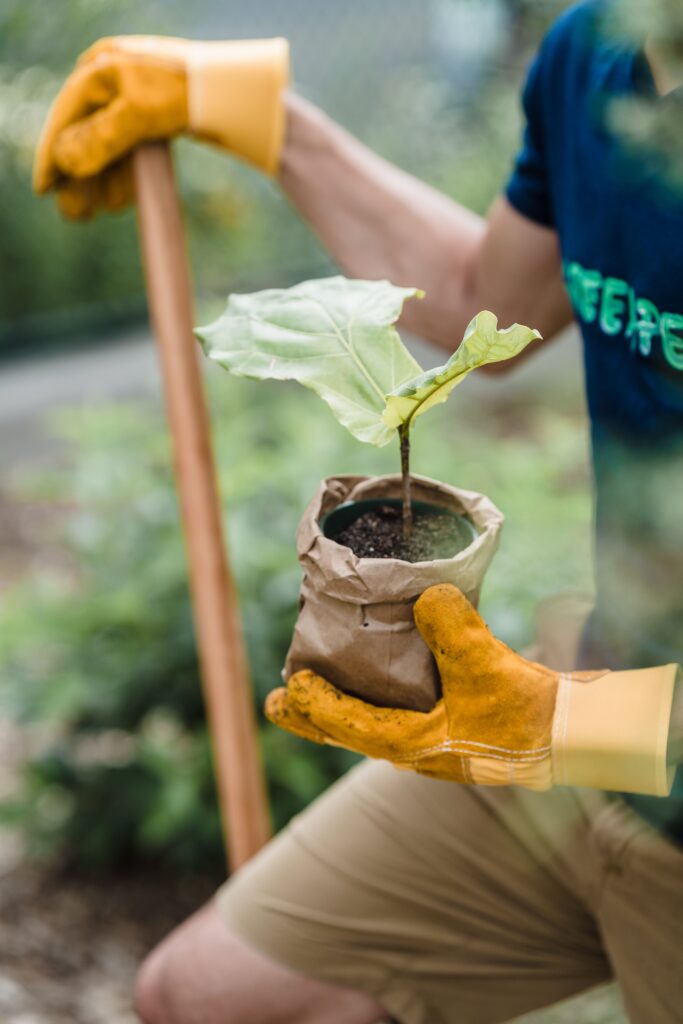
Your yard is the perfect spot to start going green. Eco-friendly landscaping goes beyond just a lawn, creating a lively ecosystem that needs fewer resources. The main idea is to work with your local environment, not against it. This means picking native plants that are already used to your area’s rain and soil, so you won’t need to water or fertilize them as much.
Using permeable surfaces, like gravel paths or spaced pavers instead of solid concrete, lets rainwater soak into the ground. This helps refill groundwater and cuts down on runoff. Many homeowners are also trying out different sustainable landscaping ideas, like making pollinator gardens or using compost to naturally enrich the soil. To see how all these pieces fit together, it’s clear that residential landscaping is key for a truly sustainable home. If you want to see how pros put these ideas into their designs, you can check out project examples at http://cbidesign.net/.
Energy-Efficient Home Features
A big part of a home’s impact on the environment comes from how much energy it uses. Designing your home to be energy-efficient can really lower your utility bills and carbon footprint. One of the best ways to do this is through passive design, which uses natural elements to heat and cool your home. This means positioning your house to catch the sun’s path, putting big windows on the south side for warmth in winter, and designing roof overhangs to give shade in summer.
Beyond the layout, the materials you pick are important. Good insulation in your walls, attic, and floors is your first defense against losing energy. Upgrading to double- or triple-pane windows with low-emissivity (low-E) coatings can also stop heat from getting in during summer and escaping in winter. Simple changes, like choosing ENERGY STAR appliances and putting LED lights everywhere, offer immediate and noticeable energy savings. Check out more energy-efficient home features here: https://www.peet.com.au/first-home-buyer/blog/12-energy-efficient-house-features/.
Designing for Longevity and Resilience
A truly sustainable home is built to last. Choosing durable, high-quality materials means less waste and lower long-term costs for upkeep and replacements. Think about materials like reclaimed wood, recycled steel, or fiber cement siding. They’re really tough and have a smaller environmental footprint. The goal is to break the cycle of tearing down and rebuilding by creating a home that can stand for generations.
Being flexible is another key part of resilient design. A home with a floor plan that can change means it can grow with your family’s needs. This avoids expensive and resource-heavy renovations down the road. For example, a room on the ground floor might be a home office today, a playroom tomorrow, and a guest suite in the future. This kind of forward thinking makes sure the home stays useful and valuable for decades.
Water Conservation in Gardens
Saving water in your garden is an easy but powerful way to be sustainable. Traditional sprinklers can waste a lot of water through evaporation. A much better option is a drip irrigation system or soaker hoses, which deliver water right to the base of your plants where it’s needed most.
Another smart trick is rainwater harvesting. Putting up rain barrels to collect water from your roof gives you a free source of non-drinking water that’s perfect for your garden. And finally, putting a thick layer of mulch around your plants helps the soil hold moisture, slows down weed growth, and keeps the soil temperature steady. When you combine these ideas with drought-tolerant plants, you can have a beautiful garden that thrives with very little water. For more sustainable gardening tips, visit https://mysweetgreens.com/essential-guide-to-ecological-gardening-a-practical-handbook-for-sustainable-nature-based-gardening/.
You don’t have to go all-in on sustainability at home right away. Even small changes, like adding a rain barrel or planting native species, add up to a bigger positive impact.
No comments yet.