Have you been looking for something lovely and unique to give to that special someone this Valentine’s Day?
Author Archive | Jennie Lyon
4 Most Popular Holistic Therapy Treatments of the Last Decade

Holistic therapy, also known as “complementary” or “alternative” medicine (CAM), can be a controversial subject. Many people believe that holistic therapies are not of any use with no real benefits.
The truth is, while these therapies are not backed with concrete scientific evidence, they do help millions each year with various health issues from headaches to the side effects of cancer. It appears that holistic therapies have also increased in popularity throughout the last decade with more people looking for an alternative to conventional medicine which may have failed to help them so far.
Here are the 4 most popular holistic therapy treatments of the last decade.
1. Chiropractic

Chiropractors help millions all over the world each year with their various back problems. However, there is no science that backs any of the methods used by chiropractors. The rise in chiropractor popularity is mainly down to the modern lifestyles we lead. Many of us are chained to a desk five days of each and every week. This has led to epidemics in back and posture issues, some of which can be very serious to the person’s overall health and wellbeing.
Chiropractors offer a holistic approach that ditches the copious amounts of painkillers and prescription drugs offered up by doctors. Instead, a chiropractor will try to understand what changes in your life or habits are creating the pain and dealing with each one.
A chiropractor may ask you about your personal life, recent changes in your life, emotional issues and any added stress you may be experiencing. This helps them to find the core problem to help rectify the issue completely, not just numb the pain.
2. Acupuncture

There is no doubt you will have seen acupuncture being performed on TV or in movies. This is the process of adding extremely thin needles into a person’s body to help treat a number of health issues.
Acupuncture was born in ancient China and is still widely used by millions across the world. Practitioners of acupuncture claim that this holistic treatment can treat any number of health issues including:
- Headaches and migraines
- Chronic pains including head, shoulder, and neck
- Joint pains
- Dental pains
- Postoperative pains
An example could be a patient who has recently had silver free tooth fillings but is now experiencing a number of pains in their mouth. An acupuncturist would try to eliminate the pain by finding areas of the body that need ‘rebalancing’. Acupuncture is based on the principle that our body is one energy and the cause of most pain is an imbalance of this energy. The needles, when placed in the correct places, should remove the pain for the patient.
Millions of people have successful acupuncture treatments every year despite the treatment having no scientific grounding.
3. CBD Oil
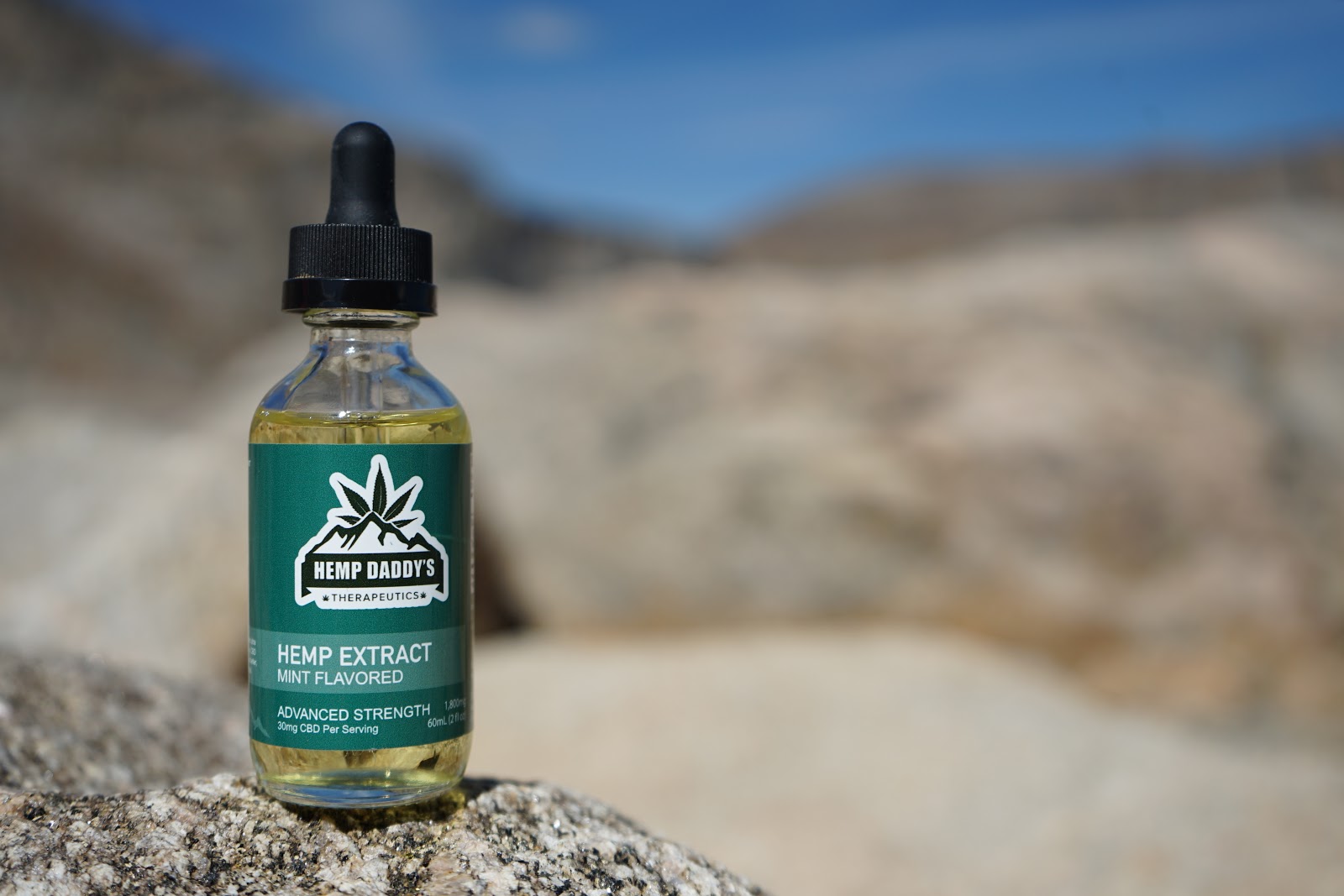
If you haven’t yet heard of CBD Oil then you must have been living under a rock in 2019. The latest buzz in natural medicine if the concentrated extract of cannabinoids from the hemp plant known as, CBD oil. Millions of people all over the world are experiencing phenomenal benefits from the oil including help with pain relief, anxiety, stress, acne, inflammation, nausea, asthma, insomnia, epilepsy, concentration, and muscle recovery.
Following the relaxed legislation of cannabis medicines in 2018, markets all over the world have seen a dramatic increase in the demand for CBD oil. People that have struggled with severe pains all their life are finally finding relief thanks to CBD oil.
As research continues to back the product and it’s health benefits, doctors and other health professionals are now suggesting CBD oil to their patients. It’s expected that the demand for CBD oil will continue to grow exponentially in the new decade.
4. Reflexology

Reflexology is another ancient Chinese treatment which is becoming popular again. Reflexology is based on the principle that areas of our body are all connected to reflex points in our hands, feet, and head. By rebalancing the body’s energy, much like acupuncture, practitioners of reflexology claim they can restore a person’s health and boost their wellbeing.
Reflexology involves the manipulation of the reflex points through massage and micromovement techniques. Depending on the health issue of the patient, the practitioner will decide on which parts of the body require massage. It’s thought that different body parts help different organs and muscles of the body. For example, the right foot influences the organs. The treatment is also thought to improve blood flow and oxygenation around the body which helps the performance of vital organs.
Those that claim reflexology has helped improve their health condition were most commonly suffering from:
- Irritable Bowel Syndrome (IBS)
- Back, shoulder and head pain
- Headaches and migraines
- Respiratory issues
- Immune system issues
- Hormonal imbalances
Reflexology is also becoming an increasingly popular treatment for dealing with the side effects of cancer, most notably that of breast cancer for women.
Please share:
- Share on Facebook (Opens in new window) Facebook
- Share on Pinterest (Opens in new window) Pinterest
- Share on X (Opens in new window) X
- Share on LinkedIn (Opens in new window) LinkedIn
- Share on Reddit (Opens in new window) Reddit
- Share on Tumblr (Opens in new window) Tumblr
- Email a link to a friend (Opens in new window) Email
- Print (Opens in new window) Print
A Beginner’s Guide to a Lush Eco-Friendly Home Garden

NOTE FROM SWEET GREENS: Thank you for supporting the companies that keep Sweet Greens in business.
——————————————————————————————————————————————————————
Each spring, many environmentalists and lovers of nature find themselves in their backyard, knees covered in dirt, starting their own home garden. However, a few shovels of dirt in, they realize they have no idea what they’re doing.
Sound like you? That’s okay! You’re not alone!
If you’ve ever owned a plant, you’ve learned that they require time and love in order to thrive, in fact, there’s quite the science behind it. As one might expect, gardening also requires dedication — oh, and the proper amount of sunlight and water (not too much and not too little), the perfect soil mix in a pot that’s just the right size, and so much more.
You get the drift — raising a lush home garden isn’t as simple as it seems, which is why gardeners often run towards expensive watering mechanisms, toxic chemicals and pesticides, and so on. But, fear not! If you’re a beginner home gardener looking for some eco-friendly home gardening techniques, we’ve got you covered!
Creating an eco-friendly garden can be made easier with these simple tips and will lighten your carbon footprint, leave you healthier than ever before, and create a special haven out of your backyard space.
Let’s get growing!
1. Location is Everything
The first step to growing a beautiful home garden is picking the right spot in your outdoor space. It could be a plot in your yard or a wall on your balcony — as long as it gets the right amount of sunlight, you’re good to go. Different plants require different amounts of sunlight, so as you’re picking your location consider what kinds of plants you want to grow. This tip seems simple, but it’s very important and will keep you from wasting time, energy, and water on a garden that was doomed to fail from the start.
2. Get Organic Seeds
Many home gardeners forget this important step as they are planning out their gardens, which can result in produce that’s just as bad for you and the environment as that bought at the supermarket. In order to ensure your garden is helping your carbon footprint, instead of hurting it, opt for growing non-GMO seeds and using only organic soil in your garden.
3. Companion Planting
In order to avoid the need for nasty pesticides and insect repellents, plant similar and complementary species of plants next to one another. Known as ‘companion planting,’ this method includes the use of other plants to deter hungry insects and harmful diseases. Companion planting guides can be easily found online!
4. Get Creating with Your Trash
You know the old saying — “One man’s trash is another man’s planter!” Okay, that may not be exactly right, but reusing your old plastic bottles and containers is a fun way of creating an eco-friendly garden! Convert your trash into planters, make little seedling covers from the base of plastic bottles, or poke small holes in containers to create a makeshift sprinkler system or Plumber Queanbeyan to help you!
5. Start Composting
Stop throwing away your organic food waste and start using it to create healthy, organic soil for your garden! Not only will you be reducing waste, but you’ll also be saving money and reducing your plastic use by not having to buy fertilizer. Start by buying a small container from a thrift store to keep around your kitchen. Everytime you cook, throw your organic, compostable scraps in the bin until you have enough to sow into your larger compost pit or bin.
6. Save on Watering
Having a lush and healthy home garden can cost you (and the environment) when it comes to water use. There are some simple ways to conserve water and keep your garden as eco-friendly as possible. This one’s simple — if possible, choose plants that will require less water. Next, avoid spending money on complicated and expensive watering systems — not only are you at risk for overwatering and damaging your garden, but there are several innovative (and cheaper) watering systems to adopt instead. One option is installing rain water barrels that will collect rain water to use later in your garden. You can also reuse water that is collected from showers and sinks (as long as you aren’t using harmful shampoos and soaps). These simple watering hacks will help you save money and the environment!
It may seem like a lot of work, but the benefits of creating a truly eco-friendly home garden will quickly outweigh the time and effort! So stop reading and start planting!
Please share:
- Share on Facebook (Opens in new window) Facebook
- Share on Pinterest (Opens in new window) Pinterest
- Share on X (Opens in new window) X
- Share on LinkedIn (Opens in new window) LinkedIn
- Share on Reddit (Opens in new window) Reddit
- Share on Tumblr (Opens in new window) Tumblr
- Email a link to a friend (Opens in new window) Email
- Print (Opens in new window) Print
Holiday Traveling? Can a Long Distance Trip be Eco-Friendly?
NOTE: This post was written for me – thank you for supporting the companies that help keep Sweet Greens in business.
——————————————————————–
Like most families, the annual vacation is something we all look forward to – my family is super excited for our fall family trip later this month! With the holidays right around the corner, we will be traveling again to spend time with friends and family – like many of you! While most of our travels are done by car, your long distance trip may require you to fly to your vacation destination. Naturally, you may be concerned about flying and whether you will be undoing a year’s worth of good eco-friendly living with this one trip, while flying isn’t always the most eco-friendly option – it is something a necessity, so we have outlined 3 tips to help make your next flight to your vacation destination more eco-friendly.
1. Flying the Eco-Friendly Skies
Lowering emissions on a jumbo jet is no easy task, but the major airlines are trying to find new ways to lower emissions and make the skies a lot friendlier. First of all, airlines are exploring the use of biodiesel fuels as an alternative way of fueling flights. While there have been several successful flights with 100% biodiesel on board, bio diesel has a major drawback in that it freezes, thickening up like gravy. All is not lost, though; blending biodiesel with jet fuel generates a more environmentally-friendly fuel that won’t freeze up at 40,000 feet. While the fueling debate and experimentation continues, airlines are taking other steps to assist environmentally-savvy travelers, helping them to travel with peace of mind. Many airlines are using environmentally-conscious materials, both inside the plane and in the structure itself, to increase efficiency and decrease excess carbon output. Airlines are also adjusting flight patterns, improving the quality of landing procedures, and making it easier for planes to fly higher and faster. Hopefully as more time passes, flying the eco-friendly skies will become easier to do.
2. Off-Set Your Carbon Vacation Footprint
Even with all the advances that airlines are making, you have to acknowledge that, no matter where you go, you will be in an aircraft producing greenhouse gases. Nearly ten percent of the greenhouse gases on earth are produced by aircraft. For the environmentally-conscious, this is a real problem; the solution for many is carbon off-setting. Carbon off-setting allows you to make up for the polluting emissions that your flight will be causing by having trees planted to restore balance in the environment. Many airlines, including American Airlines, are partnering with carbon off-setting companies to offer passengers a way to restore balance to the environment and still enjoy the vacation. Once you have your flight information, you can enter it into one of a number of websites that calculates flight mileage and total carbon emissions. Then, simply pay the desired amount to off-set the effects of your vacation footprint.
3. Look for Alternatives
Planning a family vacation that required you to fly to your destination means considering the effects that your trip would have on the environment. I recommend looking at alternatives to flying but, when a flight can’t be avoided, to do the research and try to make your trip as green as possible. After selecting your flight plan carefully, look for an airline that demonstrates a concern for the environment and a desire to improve their carbon footprint by increasing fuel efficiency and offering eco-friendly features such as carbon off-setting.
It is possible to travel the world and keep on saving the world in the process. All it takes is some savvy research and careful planning.
Please share:
- Share on Facebook (Opens in new window) Facebook
- Share on Pinterest (Opens in new window) Pinterest
- Share on X (Opens in new window) X
- Share on LinkedIn (Opens in new window) LinkedIn
- Share on Reddit (Opens in new window) Reddit
- Share on Tumblr (Opens in new window) Tumblr
- Email a link to a friend (Opens in new window) Email
- Print (Opens in new window) Print
Green Your Thanksgiving: Our Organic Menu for the Big Day

The mister has finally decided on the menu for this years organic and Earth friendly Thanksgiving dinner. He has planned a meal that leaves me drooling, just reading it. He is a lovely cook and I can not wait to have my entire family with us for a nice Thanksgiving vacation.The mister is preparing the entire meal from scratch and he only uses the finest organic, natural, local and Earth friendly ingredients. Here is the menu, I will be sharing some of the recipe with you soon. If there is something that you want to recipe for immediately, leave me a comment or send me an email.
* Organic Homemade French Onion Soup.
Main Course:
* A free range organic Turkey roasted with organic oranges and fresh herbs.
* Organic pumpkin cheesecake
Please share:
- Share on Facebook (Opens in new window) Facebook
- Share on Pinterest (Opens in new window) Pinterest
- Share on X (Opens in new window) X
- Share on LinkedIn (Opens in new window) LinkedIn
- Share on Reddit (Opens in new window) Reddit
- Share on Tumblr (Opens in new window) Tumblr
- Email a link to a friend (Opens in new window) Email
- Print (Opens in new window) Print
Hello + Welcome
My name is Jennie Lyon. It's so nice to meet you! I am a green lifestyle writer, owner of a digital marketing agency, wife to a wonderful husband, + mother of a amazing adult son in the beautiful mountains of Banner Elk, North Carolina. I've been posting simple, fun ways families can go green together since 2009.