Archive | FOOD AND DRINK

5 Helpful Tips on Creating Healthy Eating Habits With Nutritious Foods

When it comes to eating healthy, there are a lot of misconceptions out there. For example, people think that they have to deprive themselves of all the foods they love in order to be healthy or that healthy eating is expensive and difficult. This simply isn’t true! In fact, by following a few simple tips, you can create healthy eating habits that include nutritious and delicious foods. Here are five helpful tips for getting started:

Make sure you’re getting enough protein:

Protein is an essential nutrient for our bodies, and it’s important to make sure we’re getting enough of it. Good protein sources include lean meats, poultry, fish, eggs, dairy, beans, nuts, and seeds.

Protein not only helps to keep us feeling full and satisfied after meals, but it also plays a role in maintaining muscle mass and strength. So if you’re looking to create healthy eating habits that include nutritious foods, be sure to have plenty of protein-rich options in your diet.

As well as including protein-rich foods in your diet, it’s also important to choose quality over quantity when it comes to meat and poultry. Look for products labeled “lean” or “extra lean,” and focus on getting your protein from whole, unprocessed sources.

Incorporate plenty of fruits and vegetables:

Fruits and vegetables are packed with nutrients that are essential for good health, so it’s important to make sure they’re a part of your healthy eating habits. Aim to include various colors and types of fruits like fruit chaat with roasted peanuts in your diet, as each one offers its unique set of vitamins, minerals, and antioxidants.

In addition to being nutritious, fruits and vegetables are also low in calories and high in fiber, making them great foods for weight loss or maintenance. So if you’re looking to create healthy eating habits that help you lose or maintain weight, be sure to fill up on plenty of produce.

There are endless possibilities when it comes to incorporating fruits and vegetables into your diet. You can enjoy them as part of a healthy breakfast, add them to a lunchtime salad or wrap, or include them in a hearty dinner recipe. And don’t forget about snacks! Fresh fruits and veggies make great snack options when you’re looking for something nutritious and satisfying.

Choose whole grains:

Whole grains are a great source of fiber, vitamins, and minerals and should be a part of any healthy diet. When choosing grain-based products, look for those made with 100% whole wheat or another whole grain. This means that the product contains all three parts of the grain — the bran, germ, and endosperm — which provides more fiber and nutrients than products made with refined grains.

Some examples of whole grain-based products include 100% whole wheat bread, oatmeal, brown rice, quinoa, and popcorn. These foods can easily be incorporated into your diet instead of their refined counterparts. For example, choose a 100% whole wheat sandwich on your next trip to the deli, or enjoy a bowl of oatmeal for breakfast instead of sugary cereal.

Limit processed and sugary foods:

Processed and sugary foods are often high in calories and low in nutrients, making them a less-than-ideal choice when it comes to healthy eating. So if you’re looking to create healthy eating habits, limiting your intake of these types of foods is essential.

When it comes to processed foods, try to choose items made with whole, natural ingredients. And if you crave something sweet, opt for a healthier alternative like fresh fruit or dark chocolate instead of candy or cake. By making these simple swaps, you can still enjoy the occasional indulgence while keeping your overall diet nutritious.

Drink plenty of water:

Water is essential for good health, and it’s important to ensure you’re getting enough of it daily. The recommended daily water intake is eight cups, but you may need more or less depending on your activity level, the climate you live in, and other factors.

In addition to drinking enough water daily, choosing quality over quantity is essential when it comes to your H20. For example, stick to filtered or bottled water instead of sugary beverages like soda or fruit juice, and avoid adding sugar or artificial sweeteners to your water. By making these simple changes, you can help improve your overall health and create healthy eating habits.

Following these six tips can help you create healthy eating habits that are both nutritious and sustainable. So, if you want to improve your diet, incorporate these suggestions into your routine. You can make a significant impact on your health by making small changes!

Eating Doesn’t Have To Damage The Planet

The food that you eat does not have to damage the planet that we live on. There is no reason for this to be the case, and if it is right now then you need to start making some changes. The world that we live in is precious, and we need to be doing everything in our power to take care of it. Even if it’s only small changes to start with, every little helps when it comes to the world. In this article, we’re going to be taking a look at some of the things that you can do to change this, so keep reading down below if you would like to find out more.

Go Vegetarian/Vegan

The first thing that we are going to recommend is that you go vegetarian or vegan. A lot of the food that we consume requires a lot of carbon, water, and greenhouse gas emissions. A vegan diet however is different and studies have shown that there is a significant reduction in these gasses when the vegan or vegetarian diet is followed by a group of people. While it might not seem like a lot, the gasses are a massive contributor to the fact that there is currently a hole in the ozone layer that cannot be repaired. 

Grow Your Own Food

One of the best things that you can do for yourself and for the planet is to grow your own food. Stay with us here, because the only reason that this sounds so awful to a lot of people is that we have become lazy about having things provided for us. It’s not the idea of growing and eating your own food that bothers you, it’s the fact that you have to put in the effort to make sure the food actually grows, rather than letting it die because you forgot to take care of it. But, how satisfying would it be to sit down to dinner and know that the oven roasted yellow squash came straight from your garden?

You don’t have to do it all straight away, you can start with one thing and work your way up. Just give it a go, as you never know, you might really enjoy it.

Sustainable Cooking Methods

The last thing that we want to mention is looking at sustainable cooking methods. This is going to include using as much of the product as possible to reduce waste, using eco-friendly cookware and so much more. You can learn more about this in another post, giving you plenty of ideas to try out in the future.

We hope that you have found this article helpful, and now see some of the things that you can do in order to stop what you’re eating from damaging the planet. There is absolutely no reason that what we as humans are consuming needs to have a massive impact on the planet, but this is what’s happening right now. We wish you the very best of luck if you’re going to be making changes.

Changing Your Diet For The Health Of The Planet

The two biggest changes that we as individuals can make in order to better the planet are to fly less and to have a more eco-friendly diet. If you are trying to do the latter, you might well find yourself wondering what it actually entails, or what it is that you are going to need to do and how. In this post, we are going to attempt to elucidate this for you and try to show you exactly what it means to have a diet that is good for the planet. Hopefully, this will inspire you to make the necessary changes in due course.

Less Meat

The first thing to do is to try and eat less meat. Meat is one of the great polluters, and the less of it you eat, the less that you are personally harming the planet. Some meats are certainly worse than others in this regard, so it might be a good idea to start with those ones if you like: for instance, beef is pretty much the biggest offender, whereas fish and poultry are somewhat less so. However, the best way is to simply cut out all meat or to minimize how much of it you are eating at least if you think you can do that.

More Local Produce

Without that meat, you will of course mostly be eating fruit and veg, and that is a great step forwards for many reasons. However, you also need to take care with this, as you need to ensure that you are sourcing your produce from the right places. What are the right places? Quite simply, you need to source produce from as local to you as possible. The more locally grown the food is, the less of an impact on the planet it has had.

You will probably find that there are plenty of foods you can find grown locally and therefore plenty of meals that you can cook from those foods. You might want to learn to cook some veggie meals to make this easier, such as oven-roasted cauliflower with parmesan for example. The more you have in your repertoire, the easier this is all going to be.

The Issue Of Dairy

If you want to go even further, then it might be an idea to look into reducing your dairy intake as well, as this is one of the biggest offenders too. It is quite challenging to go fully vegan, but you can easily do it if you have set your sights on it and you are keen to work at it as necessary. The thing with dairy is that it can be surprisingly ubiquitous, which is why you will find your whole diet changing if you do get rid of it. On the other hand, you will be doing wonders for the planet, so that is absolutely something that you are going to want to bear in mind.

Those are just some of the major things to try out if you want to change your diet for the good of the planet.

Banishing Flavorless Salads From Your Life

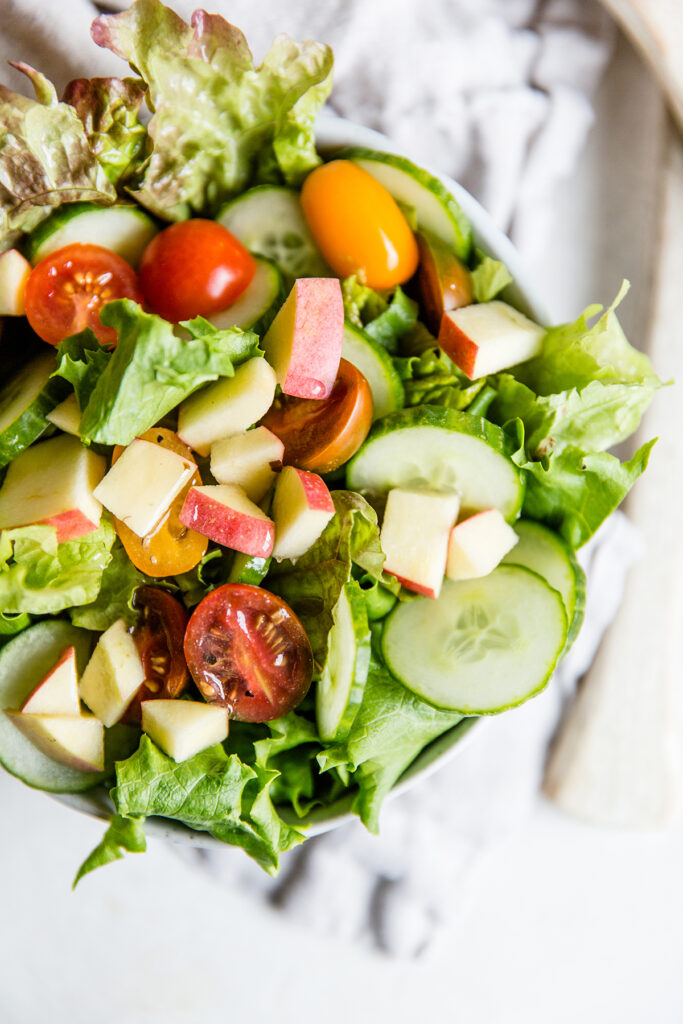
Mastering the salad is, truly, one of the best ways to make sure that you can eat healthy, getting all the fruit and veg your diet needs, while reducing your reliance on meats. However, if your idea of a salad is simply tossing some vegetables into a bowl and drizzling them with dressing from a bottle, you are missing out. Here, we’re going to look at how you reintroduce flavor to your life while still eating healthily.

Get seasonal with it

Tired of seeing the same old ingredients time and time again? Then why do you keep using them? Instead of going with the chilled veg available in your grocery aisles, you should look a little closer to home. Find your nearest farmer’s market and pick up the foods that are in season. Be willing to get a little experimental with a seasonal salad. Not only are you likely to discover some tastes that you’ve never tried before to become fast favorites, but veg that’s that fresh is always going to be more flavorful and nutritious.

Make your own dressing

It is true that salad dressing tends to add a little guilt to your salads. However, if you have a really good one, you don’t need to add that much to bring the flavor that half a bottle of storebought would add. To that end, the right salad dressing recipe can make all the difference. From a roasted garlic dressing to an Asian sesame dressing, get used to making your own and you can create all kinds of taste sensations.

Get some protein in there

We’re not talking about adding meat to your salads. While a slice of ham or some chicken chunks can certainly work, if you’re trying to reduce your meat intake, then there are plenty of great plant-based proteins that can still add that savory touch to your meals. Cooked grains such as rice, lentils, and beans can be a great addition to your meal. If you want to bring out the flavor in its fullest, then going with a refried beans option is going to make for an excellent and filling side to your salad.

Lock some flavor into your veg

For vegetables that are great at absorbing flavors, such as carrots, peppers, and most kinds of cruciferous greens, you should consider roasting them to make them more palatable. You’re not going to lose too much nutrition by roasting them lightly, and it also gives you a great opportunity to add some seasoning to them, as well. Herbs and species such as parsley, thyme, mint, dill, and cilantro aren’t too expensive to buy and last on your shelves for a very long time. A pinch to go with the right veg can make all the difference.

There is a much wider variety of salads than you might realize at first. Get to know which vegetables you like, then look at the many tastes that you pair them with, as well as the different ways you can prepare and season them.

5 Eco-Friendly Tips For Navigating the Kitchen

So, what’s the best way to cook your food when you’re in the kitchen? This is a question that comes up time and again. While this is completely important to know, it’s always important to figure out how to navigate the kitchen in the most eco-friendly manner possible. Let’s face it, some of the most unsustainable practices come from the kitchen. 

But you know what, at the same time, this is also where some of the most sustainable practices come in. Those who aren’t trying to be eco-friendly just may be doing sustainable habits without even realizing it. But of course,  when it comes to navigating the kitchen, it’s important to always try to improve yourself and your healthy eco-habits. So here are some handy tips.

Don’t throw out what you already have

Surprisingly, many people have the idea that if you want to be eco-friendly, you’re going to have to throw out all the plastic in your kitchen and replace it. Why do that? You’re just creating waste and you’re being lured in by greenwashing. If you’re just wanting to make some improvements then by all means have some eco-friendly elements but if you already had a whole bunch of kitchen products and you’re thinking of getting “eco-friendly swaps”  then you’re actually not being eco-friendly. Just use what you already have, once it breaks, then replace it with something eco-friendly.

Utilize recipes that use the least amount of resources

This can include something like a bean dip recipe or maybe even a meatless salad. These are things that shouldn’t necessarily take up resources. This can include water, power, too many ingredients, and other things as well. You can even just try going vegan and enjoy going raw for a while. It’s been proven to help your gut health. In general, when it comes to being eco-friendly in the kitchen, why not give this a shot?

Use residual heat

One thing that a lot of people forget would be to use residual heat when cooking. Whether you’re making something on the stove or you’re using your oven, you’d be surprised about how your food can still cook when it’s off, especially if you decide to opt for using a cast iron pan or skillet. Not only do these last forever, but they are the best at retaining heat. Maybe ten to fifteen minutes before your food is “done”, why not just turn it off and let the hot pan do the rest of the work?

Make your own cleaning solution

There are more than enough cleaning solution recipes around. Some of them include foraging for things such as English ivy or buying some baking soda. These can be great ways to go a safer and more eco-friendly approach to cleaning.

Grow your own greens

One of the best ways to forever stay eco-friendly would be to grow your own veggies and fruits. If you have a window sill, balcony, porch, or even a garden, then you absolutely need to utilize this! It’s good for you, it tastes better, and you’ll appreciate the literal fruits of your labor so much more.