When trying to stay afloat with our finances it is super important to be conscious about the energy we use at home every day. Saving energy is important not only for our finances but for the planet, and today we want to talk about some of the simple ways you can save energy at home today.
Let in natural light
One of the simple ways to make your home more green is to invest in natural light. If you currently have small windows that don’t let a lot of light penetrate the home during the day this might mean that you are more likely to turn on the lights and waste energy. Instead, consider investing in bigger windows and even some more windows around the house to maximise the light you get into your home. Not only will it save money but it will make your home feel bigger and more spacious.
Get rid of unneeded appliances
It is important not to have a load of appliances hanging around the house that you won’t use. Don’t crowd the home with tech that you don’t need and this will help you reduce the energy you use every day. It is all too easy for you to get used to plugging everything in around the house and this can waste a lot of energy and cost you a huge amount of money.
Turn off the tap
The first simple change in habit you can implement into your life is to turn off the tap while brushing your teeth. Water costs a pretty penny and it takes a lot of energy to bring water to your home and into your taps. It is important not to run your taps when you don’t need to because this will make a massive impact on the energy you use as well as your water bill at the end of the month.
Switch off the lights
Another way you can change the energy you use at home is by choosing different lights throughout the home. Energy companies can recommend different lights such as Olympia Lighting for you to install at home that are more efficient and energy saving. Switching to LED lights for example could save you a lot of money and will use much less energy so is better for the environment.
Insulate the walls
One of the important things to consider when you want to keep the house warm and decrease your energy usage each year is insulation. Insulating the walls is a crucial step in your journey because it will lock in the warm air in your home when you turn on the heating, and as a result you are less likely to keep having to switch on the heating.
Use these simple tips and tricks to help you save some money in the house this year as well as make it more energy efficient. There’s no need to spend a pretty penny and use too much energy when you are savvy!
Every year, hundreds of thousands of new homes are built. In 2018, about 840,000 new single-family homes were constructed, but how many of those homes were built with environmental friendliness in mind?
If you’re in the process of planning your new home, you should try to keep in mind the environmental impact of your home’s future. By making sure that you’re designing your dream home with eco-friendly ideals in mind, you can help save energy, money, and the planet. Below are a few ways to make your new home as green as possible.
Use LED Lights
You should plan for your home to only use LED lights instead of traditional fluorescent light bulbs. The Department of Energy has estimated that LED lights could possibly cut the amount of energy used by the U.S. by up to 50%. To help join that lessened energy expenditure, make sure only LED bulbs are installed in your home.
There are many advantages to LED bulbs aside from saving energy. They also last significantly longer, which means that you’ll be creating less waste than with a traditional bulb. LED lights come in a variety of sizes, shapes, and even different tones and colors. If you want to add some fun to a room, you can plan on using a color-changing bulb that can be remote-controlled or even controlled through an app on your phone.
Make Sure Everything is Properly Insulated
One of the most important things to think about when you’re making your home eco-friendly is how well-insulated your home will be. Insulation is key to keeping your heating and cooling costs and energy expenditures down. By properly insulating your home, you’re creating a temperature-controlled environment, which means that heat won’t escape in the winter and won’t get in in the summer.
One area you should make sure to focus on is your attic. A lot of heat can escape through your roof if it’s not properly insulated, which makes it one of the most important places to properly insulate. You can also opt for certain options for your roofing to help with proper insulation, so make sure to speak with your home’s designer about your best options.
Go Solar
Solar power technology has been significantly improved in recent years, and you can take advantage of those improvements in your home. Realistically, you probably can’t power your entire home with the kind of solar panels available for residential homes, but you can hook them into your home’s power supply and use them to reduce your traditional energy usage.
Install a Grey Water System
Grey water is any water that has been used in your home by a sink or shower. It isn’t clean or fresh anymore, but it can be used to do things like water your lawn and garden. If you plan on having landscaping that will need additional watering, installing a grey water system in your home is a great way to decrease your home’s freshwater usage, which can really help decrease your home’s water consumption.
Go Low Flow
Another way to decrease your home’s water consumption is by installing low flow options of certain things, like your toilet and showerhead. With a low flow toilet, you’ll waste less water per flush, which really adds up over time. Many times these toilets will have an option for liquid versus solid waste, so you won’t have to worry about the toilet becoming clogged because there isn’t enough water running through it.
Low flow showerheads are designed to decrease the gallons per minute, or GPM, used by your shower. If you know you should take shorter showers to save water, but really love the feeling of being in the shower, this is a great way to make sure you aren’t using too much water.
Install Energy Star Approved Items
One of the easiest ways to make sure you’re not wasting energy is to make sure you’re opting for things with Energy Star approval. Energy Star appliances are more energy-efficient and are operating in a way that the Environmental Protection Agency, or the EPA, approves of. You can get Energy Star rated appliances, windows, electronics, and other things, so make sure when you’re looking into a certain option for your home that you’re looking for something that has the Energy Star logo on it somewhere.
Use Sustainable Materials
When it comes to the materials that will be used to actually build your home, you should make sure you’re using the most sustainable options available. By using items made of recycled or reclaimed materials, you’ll be creating less of a demand for brand new materials. This is a conversation you should definitely have with your home’s builders to make sure that they understand your commitment to building a sustainable and eco-friendly home.
Keep It Small
Extra space in your home means more energy used to light, heat, and cool it. Try not to have any part of your home that is extraneous or otherwise unneeded. The smaller your home is, the less energy it will take to keep it running. This doesn’t mean you have to live in a tiny home, but it does mean you should avoid making any part of your home larger than it really needs to be.
Plan It Out
When you’re still in the planning phase, it’s important to look at the plans and ensure that everything in the plan fits your needs and whatever eco-friendly upgrades or changes you want. There is currently architectural rendering software that can make both two-dimensional and three-dimensional renderings of your architect’s designs. By making sure that all of the changes you requested are in the design, you can avoid any mistakes made because your home’s designer forgot about a conversation.
Building a new home presents many opportunities to include eco-friendly features and materials, but you have to be conscious of the choices you make for your home. Every detail large and small from the building materials you use to the lightbulbs you screw into the sockets can have an environmental impact, so it’s important to be intentional with your choices during the home building process.
It’s no secret that commercial office environments can be pretty stressful. The pressure of having workmates breathing down your neck certainly doesn’t help here, but office stress is often down to one thing and one thing only – noise.
Let’s face it; the clacking of keys and the general bustle of chatter in the office can get overwhelming at times, especially for those of us who enjoy a calmer way of life. This, alone, can contribute to the mental health concerns experienced by many office workers.
But, with this last year meaning that more of us than ever are working from home, an unexpected silver lining is starting to emerge. After all, when you’re working in a home office, you needn’t contend with any noise but your own.
This is fantastic news for creating a calm work environment, especially if you take the following steps to enhance those peaceful benefits.
# 1 – Work in a room with a window
If you can pick where you work, then it’s always well worth picking a room with a window. After all, nothing quite brings peace like the call of birds first thing in the morning or even the trickle of rain on a dreary day. These are noises that we often turn to in meditation practices, and for good reason. So, if you can spend your working days listening to birds instead of countless typing keys, you’ll be in the best possible position to enjoy the peace and tranquillity that this homeworking setup can bring.
# 2 – Scrap the headphones
If you’re set to attend a lot of video conferences and phone calls each day, then the chances are that you have a headset with which to hear better. There’s nothing inherently wrong with that, only many of us leave those headphones on all day long, even when we don’t need them. This is an issue because, not only does it create the claustrophobic feel of office sounds, but it also blocks out all the benefits of this peaceful space. Worse, you’re far more likely to blare music into your ears all day this way, breaking your peace altogether and putting you at risk of temporary hearing loss to boot. Avoid that eventuality by removing your headphones until you need them. You’d be amazed how much calm this small step can bring to the standard working day.
# 3 – Keep the door locked
In a standard office setup, most of us don’t have doors to lock. Even if we did, our bosses probably wouldn’t be too pleased if we made use of them. But, you don’t need to worry about that at home. In fact, you can bet that any interruptions here will be pretty unnecessary. So, avoid the distraction and shattered peace that can come from an open-door home office policy. Instead, put a lock on that door and know that when you’re in your office, you truly can settle into the most blissful peace you’ll likely find all day.
Wow, what a crazy fall it’s been! With the election and Covid-19, the world seems a bit overwhelming right now!
So what’s a girl to do but spend a little extra time making her home cozy for the rest of the year!
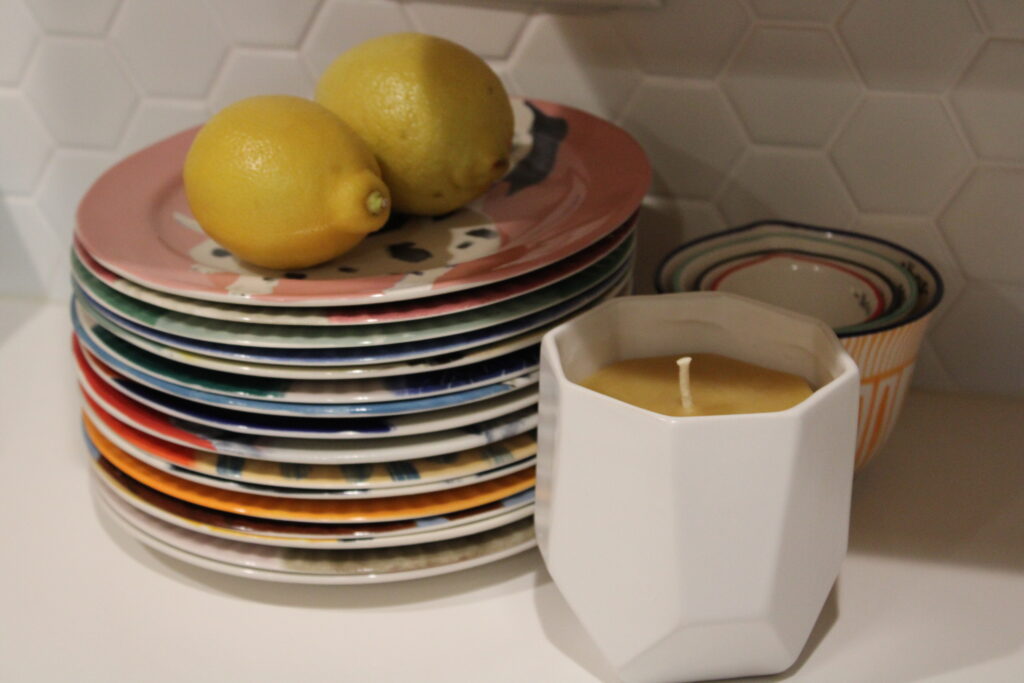
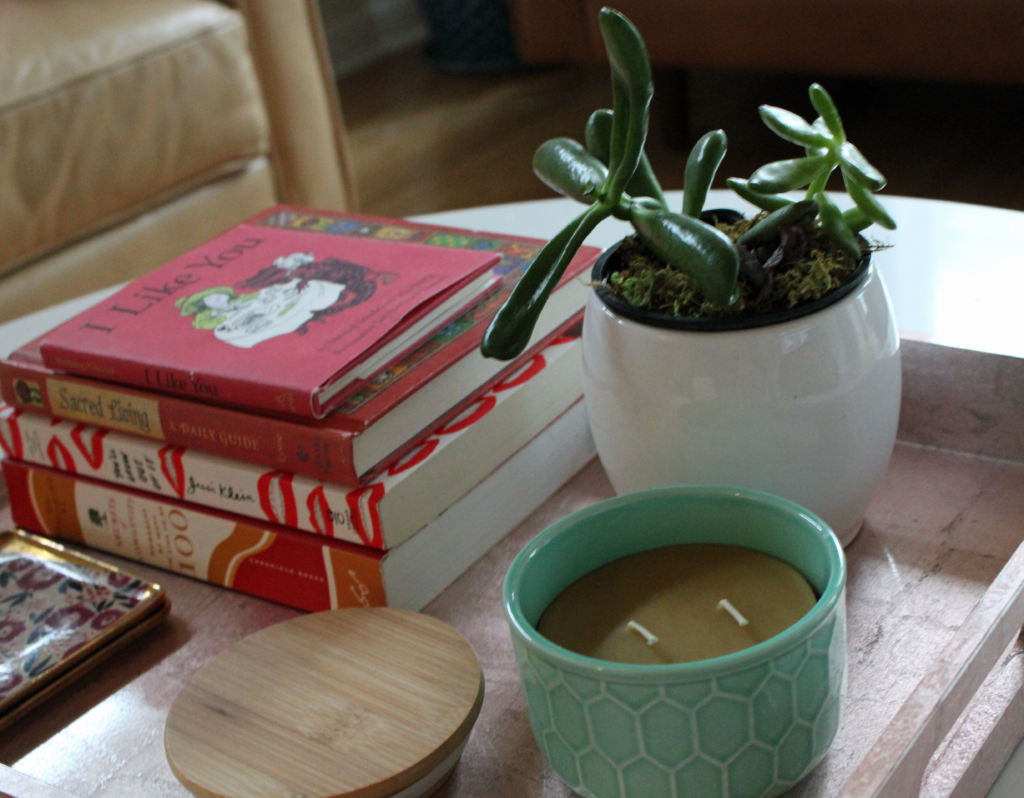
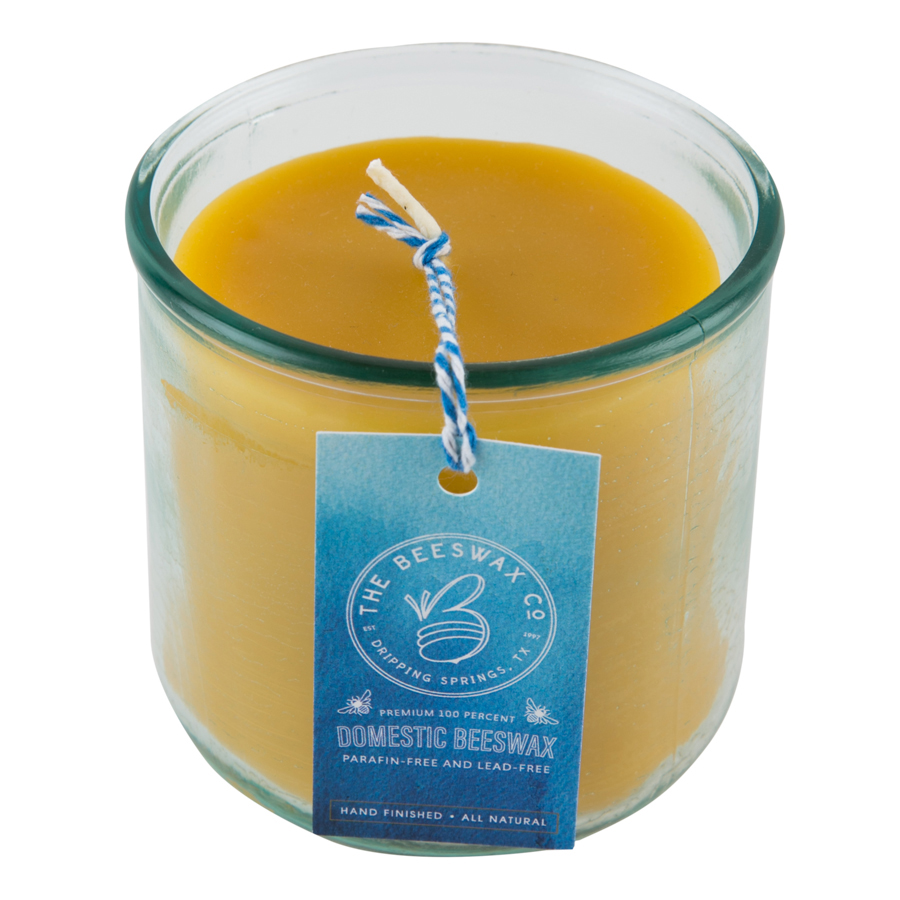
The more that I decorate, the more I find myself relying on my go-to sources for perfect accessories! One of my favorites is The Beeswax Co. The Texas-based brand makes modern natural candles with a sleek, minimalist presence that fits perfectly in my mid-century modern home!
The Beeswax Co doesn’t mind telling you that their family is obsessed with beeswax. They use their grand-daddy’s beekeeping tools to burnish each candle they make by hand and think of their work as a beautiful collaboration between people and bees.
Each step in our hand-crafted process is designed to bring out the natural beauty and healthy burning properties of the 100% pure beeswax we get from Texas beekeepers.
I partial to geometric shapes, streamlined silhouettes and natural scents!
The all-natural honey scent of these candles is amazing! It reminds me of the smell of our backyard in North Carolina!
My personal faves, Honeycomb and Westcave look fantastic in our home. I find myself moving them around so I can look at them all day. I’ll be stocking up on several to keep handy for housewarming and hostess gifts this holiday season. Candles for everyone! I have to tell y’all, they’re absolutely fabulous.
These eco-friendly candles check all of my boxes, all-natural, affordable, beautiful, luxe, and the containers can be reused! These beauties will find themselves holding plants or tolietries in their future!
Let’s add a little fun to your November, I’m giving away a Riverside Candle and a set of Tea lights! To enter leave a comment telling me how you stay cozy during the holidays!
Did you know that Compact Fluorescent Lights (CFL’s) can cut your electricity costs by 75%? CFL’s use 66% less energy and last 10x longer than incandescent bulbs? You don’t have to remove all of the bulbs throughout your home today, but once the bulbs go out, replace them with CFL’s. Want to see how much money you can save using CFL’s?
* Don’t forget to turn off the lights when you leave the room.