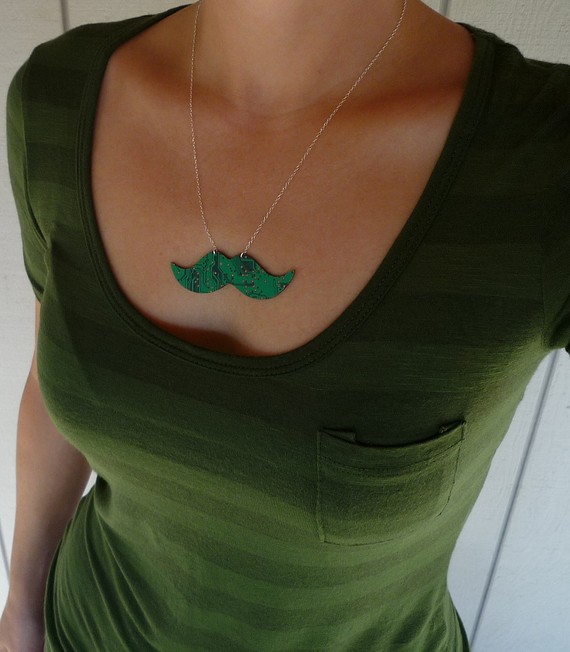
Please join me in welcoming Sweet Greens’ newest sponsor: Sparkover. Sparkover is jewelry that is made from computer leftovers that have been given a new lease on life. We use materials that are vintage, or old stock, but everything that we use to make our jewelry was headed for the landfill. Sparkover is taking back the intricate insides that was used to make technology work by turning it all into something cool and fun and we’re giving it a new purpose.
A huge thank you to My Little Green Shop for sponsoring Sweet Greens. Would you like to share your Eco friendly goodies with a great green community? You can advertise on Sweet Greens too, click here to get started! I would love to have you.
Hello Friends. Do you have any fun plans for the weekend? We are soaking up every last possible minute of spring break fun. Right now, Mr. Sweet Greens and Eben and splish-splashing in the pool and I am catching a few rays poolside. Tomorrow, Eben and I are going to spend our morning baking. We are celebrating the birthdays of Eben’s grandfather and great-grandfather. Papa is turning 96 – what an achievement! Eben and I are in charge of dessert, oh the possibilities! While I start making a list of ingredients that we will need, here are a few green things that I thought you might enjoy:
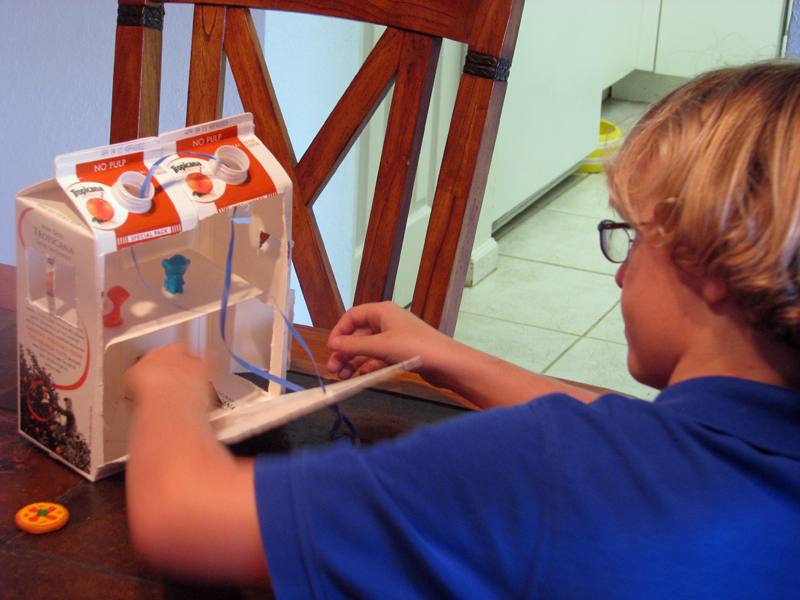
Do you have two empty juice cartons in your recycling bin? If you do, you can make your own dollhouse that’s easy to take on the go. Your child can help to decide where to place the door, windows, accessories and you can use the leftover carton scraps to make doll furniture. With a draw-bridge closure, your child can leave everything inside and take it with them wherever they go. It’s the perfect size for little dolls or Lego mini figures! Check out my photo step-by-step instructions to learn how to make a portable dollhouse this afternoon
Whether you are just starting your green lifestyle journey or you have been living a green lifestyle for quite some time – you may feel overwhelmed by all of the different green terminology that is floating around out there. Organic? Certified Organic? All-Natural? Eco-Friendly? Earth Friendly? Vegetarian? Vegan? What do all of these terms mean and which are the better options? The first step to making the choices that are best for your family, is understanding the words on the products packaging. Here are 10 of the top green terms that you will encounter while marketing for your family and what they mean.
1. 100% Organic: In North America products labeled as 100% organic must be made entirely with certified organic ingredients. Organics must be produced without any type of synthetic chemicals including; herbicides, fertilizers and pesticides. Organic meat, poultry, fish and dairy have zero antibiotics, hormones and are organically raised and feed. You do not need to worry about your food being genetically modified if you are purchasing organic. Organic farming practices promote healthy soil and conservation of water and all ecological systems. And Organic farmers use zero chemicals and focus on utilizing renewable resources.
2. Organic: This one is a little bit trickier, products labeled as organic must have at least 95% organic ingredients. If it doesn’t say that it is 100% organic, then at least 5% of the ingredients are not organic.
3. Certified Organic: Certified Organic means that the producer has submitted their materials/products for testing that will determine it’s authenticity. Most small companies and farms can not afford the Certified Organic certification, even though their farming practices are 100% organic. When buying locally, ask if the products are non-certified organic, which simply means that they are 100% organic without the certification.
4. All-Natural: All-Natural means that foods contain no artificial colors, flavors, preservatives or sweeteners. All-Natural products are minimally processed. When a product is labeled all natural, I highly recommend reading all of the ingredients, especially in personal care products.
5. Free-Range: Free-Range indicates that the chickens were allowed access to the outdoors – however, it does not necessarily mean that the animals were raised outdoors. The best option is to purchase your goods from a local farmer that you know raised the chickens organically, outdoors.
6. Cage-Free: Cage-Free simply indicates that the chickens were not raised in battery cages. However, this does not mean that they animals were raised outdoors. When purchasing chicken or eggs, it is best to purchase from a local farmer that you know raised the chickens organically, outdoors.
7. Eco-Friendly or Earth Friendly: Items that are labeled either Eco or Earth Friendly have been produced in a way that minimizes any negative impact on the environment. Eco and Earth Friendly products should be bio-degradable, chemical free, and/or made of recycled or upcycled post-consumer waste. Once again, I recommend reading all of the ingredients, especially in personal care products.
8. Vegetarian: Vegetarians usually do not consume any type of animal including beef, chicken and fish. They also usually do not use items made from these products including leather and down.
9. Vegan: Vegans only eat foods that are of plant origin, including; fruits, vegetables, grains, legumes and nuts. They do not consume any type of animal or animal byproduct including; eggs, dairy, or honey. They usually do not use any personal care products made with these ingredients and refrain from purchasing any goods that contain leather, beeswax or down.
10. Authentic: Authentic guarantees that the food was grown within a 50 mile radius of where it is being sold. You will find many authentic products at your local farmer’s market and co-op.
11. Sustainable Packaging: Sustainable packaging may include packaging that is minimal, biodegradable, recycled, reusable, upcycled and printed with soy or water based inks. My best advice when it comes to packaging is, if you can purchase it without a package, do so. This is the main reason that I love shopping at my local farmer’s market because most of the products have no packaging at all.
What other green terminology have you come across in your green journey? What should I add to our list?
Hello Friends. Happy St. Patrick’s Day. Do you have anything fun planned? Eben woke up to a terrible mess in his bedroom this morning. Definitely the work of a mischievous Leprechaun, no? His clothes and books were tossed about and there were glitter footprints on his dresser. The bad news – he didn’t catch a Leprechaun in his Leprechaun trap. The good news – Mr. Leprechaun did leave him a $5 bill. To see the look on Eben’s face and the excitement in his voice was priceless.

 Please join me in welcoming Sweet Greens’ newest sponsor: Sparkover. Sparkover is jewelry that is made from computer leftovers that have been given a new lease on life. We use materials that are vintage, or old stock, but everything that we use to make our jewelry was headed for the landfill. Sparkover is taking back the intricate insides that was used to make technology work by turning it all into something cool and fun and we’re giving it a new purpose.