Is your workout at the local gym environmentally friendly? There are a lot of things about the gym that are not Eco friendly. For instance, there is the drive to the gym, the plastic water bottles sold at the gym cafe. The energy that is used to light and cool the facility, not to mention the energy used to run the treadmills and televisions. There are also gyms that are open 24/7, this entire time the lights and air conditioning are left on.
Now, whoever thought that going TO the gym would make you feel guilty. Shouldn’t it be, NOT going to the gym? This is one of the reasons that I prefer to workout at home. I can do my workout anytime that I prefer, I don’t have to drive anywhere and I don’t have to pay the money for the gym membership. I like to do my workout in private, where I can really concentrate and feel comfortable. I also love to do my sun salutations in well, the morning sun, in my own backyard. It is so quiet and peaceful next to the garden in the early morning. It is very refreshing and feels great to connect with the Earth.
Cut flowers may look fabulous on your dining room table but most cut flowers sold in the U.S. are flow overseas, traveling thousands of miles. Fresh cut flowers live for such a short period of time before they wilt and die and in a lot of cases find their way into the landfill. How can you make your centerpieces fab without harming the environment?
Next time you want to purchase fresh-cut flowers for the centerpiece, consider a potted plant instead. Choose a plant that blooms throughout the year and put it in a decorative pot that will look just as fab as a vase of fresh-cut flowers. Not only will you save the flowers from an untimely death, so to speak, but you will save a ton of money. There will be no need for flowers in your weekly budget if you purchase a plant that will bloom over and over again.
My favorites are Kalanchoe, small tropical trees, and succulents. We have a jade plant on our dining room table, a large basil centerpiece on our kitchen island, and several other tropical trees and succulents throughout the home. Not only do potted plants beautify our home but they also help to clean the air.
Do you have potted plant centerpieces in your home? Which kind? Would you consider a potted planted centerpiece?
Taking care of your health and appearance is an important part of many people’s lives. After all, you want to look and feel your best, as well as feeling good about yourself and how you present to the world. Yet as many of us become more conscious of the need to be eco-friendly, it’s time to take a good hard look at the environmental impact of your beauty and health routines. There’s no use looking and feeling great if you’re damaging the planet at the same time. Luckily, there are simple ways you can transform your routines to be a little kinder to the world, whilst remaining kind to yourself.
Go Homemade
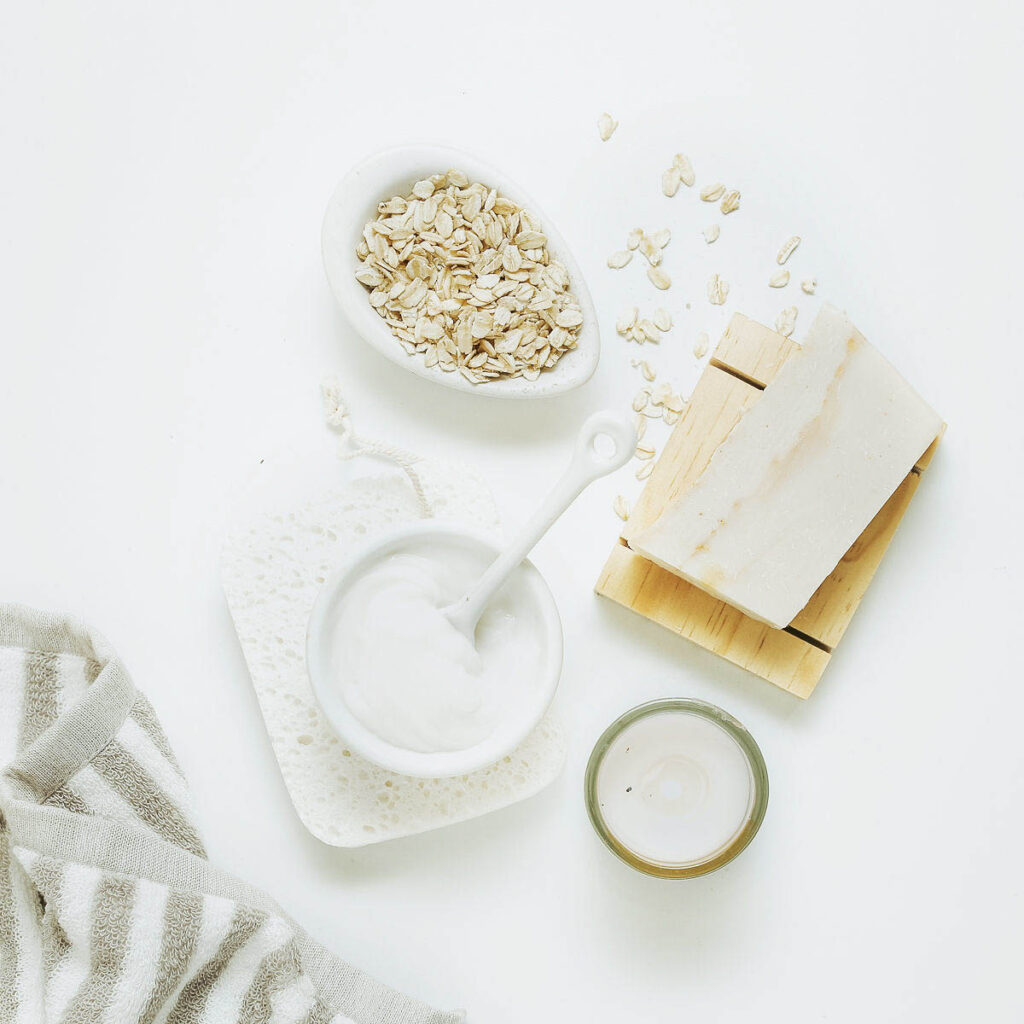
The beauty industry is a global market worth billions of dollars, and yet it’s incredibly damaging. One of the worst culprits is the plastic packaging used to ship your favorite beauty products to you, not to mention the evils of tiny plastic ‘exfoliating beads’ and all the other chemicals used to make popular brands. In fact, many people have discovered that simple kitchen recipes can be just as effective. For an eco-friendly approach, use ingredients like coconut oil, almonds, honey, lemon juice, and various herbal additions to create incredibly effective scrubs and moisturizers. Remember that advertising is a powerful tool, and it may have convinced you that you can’t replicate the effects of major products at home – but you can!
Be As Effective As Possible
Generally speaking, the fewer products you can consume, the better. Many people spend large amounts of money (plus potential packaging and shipping) to avail themselves of bottles of oral vitamin supplements and once-a-day medicines to help them keep feeling in top shape. This is unnecessary! IV therapy is a great way to minimize this impact by reducing all these needs to one simple treatment that you can purchase less frequently – meaning less bother for you as well! IV therapy costs are simple and not prohibitive, especially when set against the costs of subscriptions and reorders for multiple vitamins.
Research Your Brands
If you do have a product that you absolutely love and don’t feel like you can replicate by yourself, that’s okay! Just make sure you research the brands you’re buying from, as they are not all created equal. Some beauty and health brands are really doing their best to be eco-conscious and protect the planet, whilst others are more concerned with making a profit at any cost. Simple research online can tell you which is which, and then it’s up to you to put your money where your mouth is. The industry is diverse, and you will almost certainly be able to find a replica product by a more eco-friendly brand, so make sure to support companies who are also playing their part.
Conclusion
Taking care of your health and beauty, and taking care of the planet, do not need to be incompatible goals. With just a few simple steps, you can help to reduce the impact you’re making on our environment, preserving its own beauty for years to come.
You can make cleaning your dishes more Earth-friendly by following these simple green tips.
* Run only a full load of dishes through the dishwasher.
* Use a plant-based biodegradable dishwashing detergent. My fave is Biokleen.
* Use the appropriate dishwashing setting.
* Scrap your plates, instead of rinsing them before placing them in the dishwasher.
* Run the dishwasher at night and let them air dry. They will be dry by morning.
If possible, run your major appliances at night between 12 a.m. – 4 a. m. You can do this by setting your dishwasher for a delay start. Also, you save more energy when you run the appliances during off-peak hours.