Author Archive | Jennie Lyon

How to Reduce Your Household Waste and Be More Eco-Friendly in 2021

Although the complications associated with the COVID-19 pandemic may have held you back from achieving your resolutions for the past year, there’s no reason why you can’t set some new goals for 2021.

That’s especially true if your resolutions are home-related, since we’ll probably be sheltering in place for some time to come. While the home improvement industry grew by 5.5% in 2019, the need for Americans to stay home to stop the spread of the coronavirus has many of us fixating on how to make a number of property improvements.

But keep in mind that renovations aren’t the only way to get more out of what you have. If you’re determined to lead a greener lifestyle in the new year, you might want to start by reducing your household waste. With climate change continuing to worsen, it’s up to each individual to make positive changes to help the planet. Fortunately, these adjustments may have a relatively minor impact on your everyday life — but they can be significant for our environment. Here are just a few ways you can reduce your household waste and become more eco-friendly in 2021.

Install (or Overhaul) a Septic System

Homeowners need a reliable way to process their wastewater. Typically, you’ll have one of two options: connecting to a public sewer or utilizing a private septic system. More than 21 million U.S. households use septic systems, which are inherently more eco-friendly than sewer systems because they treat wastewater in a natural way. They also recycle water and can replenish water tables while benefitting local plant and wildlife. They’re typically pretty durable, as well, which means less material needs to be wasted on repairs or replacement.

However, proper installation and maintenance are key. Whether you’re making the switch to septic or you’re trying to make your current system more eco-friendly in the coming year, you should opt for trenchless repairs (which causes less harm to the environment) and follow all recommendations for proper use to avoid backups. You should also have routine maintenance performed and pump your tank regularly to ensure your septic system continues to run smoothly. While this won’t necessarily reduce how much wastewater needs to be cleaned, it can ensure that cleaning is more efficient and that you won’t have to waste resources in unnecessary ways.

Always Opt For Reusable Options

This might go without saying, but single-use items — like plastic bags, paper towels, cellophane, and plastic water bottles — represent a lot of waste. Eliminating or drastically reducing your use of these items in 2021 can help you keep a lot of garbage out of local landfills. There are plenty of reusable alternatives out there, like beeswax food wrap or reusable grocery bags and towels, that will give you more for your money and help you reduce the amount of garbage you produce. Don’t forget to snag some reusable insulated water bottles to start your new year out right!

Shop in Bulk When Possible

Packaging is a huge source of waste, but it feels inescapable when you shop online or at conventional grocery stores. Consider buying foods and personal care products in bulk whenever you can and supply your own containers or reusable bags. Buying in larger quantities can allow you to save money and stock up while creating a zero-waste experience. That said, don’t be tempted to buy things you don’t need (especially if they expire quickly!). Buy in bulk only when you know you’ll use the items and that they won’t be thrown away.

Start a Compost Pile or Bin

Food scraps and spoiled food represent a large percentage of household waste. But there’s a lot you could be put to better use in your garden. Make a resolution to start a compost bin or pile in the new year, as this will allow you to reuse unused produce, coffee, eggshells, and many other kinds of waste as fertilizer. Although most lawns require one inch of water each week, composting can really make your yard look its best. Plus, it’ll allow you to grow food right at home, which can often be less wasteful than buying items at the grocery store. Just make sure to research the items that can be safely composted before you begin.

While you might not be eager to set any goals for the new year, leading a less wasteful life can be its own reward — even in the midst of a pandemic. With these tips in mind, you can eliminate wasteful habits and reduce your environmental impact — all without disrupting your routine.

4 Ways to Go Green This Coming Year

4 ways to go green this year

Going green is not only beneficial to you and your family, but it is also very beneficial to the community you reside in. To start your road to a greener life, you can go digital at home, buy local produce, create a community cleanup day, and help grow a community garden for residents in the area.

By taking these first few steps, you will notice a large change in your community with cleaner grounds to walk on and healthier food on the tables of local families in need. Before you go ahead and dismiss the joys of going green, weigh out the pros and cons of how it could benefit the ones you love.

Community Cleanup Day

If your community is searching for ways to go green and help the community stay safe and clean, conducting a community cleanup day is a sure way to start off strong. In order to make sure everyone is on the same page, the matter should be brought up at a community meeting or posted on flyers around the area. 

The perfect day to get new mattresses with proper bed sizes would be this cleanup day. Your new mattress can arrive and the old can be discarded along with old furniture and appliances. When the day arrives for cleanup to begin, everyone should be paired up with another individual and pick a specific area to start working on. For any furniture or appliances out on the side of the road for pickup, be sure to ask locals if they are in need of any of these items before considering them waste.

Buy Local Produce

Buying local produce is a sure way to not only help your family go green but your neighborhood as well. Your local farmers are almost always looking for new buyers to help sell more of their products whether it be vegetables or even baked goods. This means you can help them and their families make sales while giving your family top of the line organic foods. These foods will keep everyone healthy and happy with new food choices to help your community and family go green.

Go Digital

If you are looking for ways to help your country, city, or state, you can start by switching to digital when it comes to your bills and notices. By switching to digital, you will help decrease the number of trees being cut up in order to have enough paper to send out bills across the state. Although you may not think just you alone can make a real change, all it takes is one more person going green every day to start making a true difference in the world around us.

Community Gardens

Community gardens are a great way to teach children the benefits of growing your own vegetables and fruits as well as how to help your neighborhood go green. In order to make sure the community garden is a success, you will need to create some type of schedule to make sure that the garden is tended to every day. Once it is time to harvest what is grown, everyone should be able to have the chance to come into the garden and pick fresh produce for themselves and their family. Not only will you get fresh produce, but you will be providing food for some of the less fortunate families in your neighborhood.

Going green does not always mean that you have to change your entire lifestyle. Just starting with a few small things can be beneficial, like buying local produce, going digital, creating a community garden, and conducting a community cleanup day. These four things will not only help your home life, but it will also help to clean up your community by making sure all the trash on the side of the road is picked up and also providing healthy organic foods to families with children that are in need of extra food to put on the table. 

To start helping your community, try bringing up green subjects at your next community meeting to see who else wants to hop on board with creating a better area for children to live. You will be shocked at the results of how many people are ready to take a stand on having a healthier environment.

Compelling Reasons To Add Honey To Your Winter Healthcare Regimen

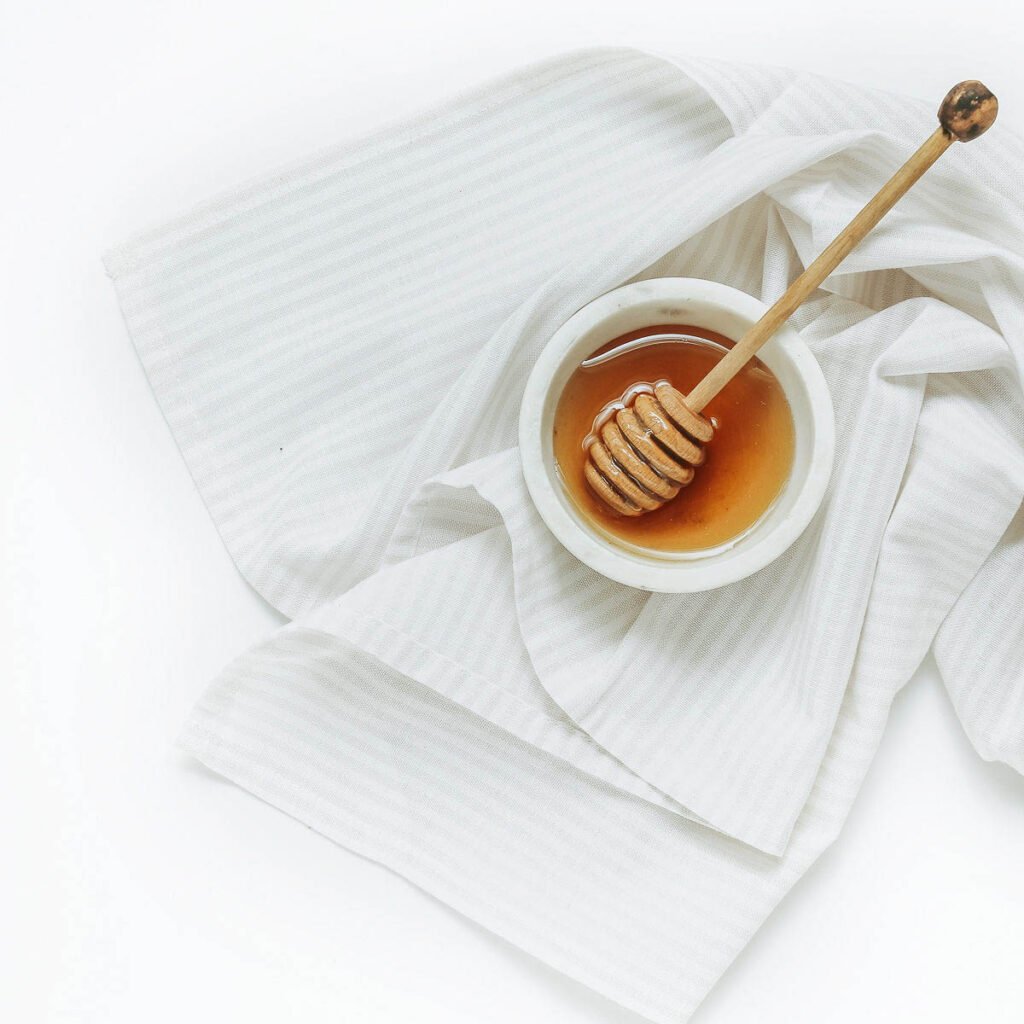
Americans consume about 1.3 pounds of honey per person per year. And while most think of the substance as nothing more than a sweet treat, there are actually a surprising number of health benefits of honey that many people overlook. Here are just a few reasons to consider adding honey to your winter healthcare regimen.

Cleans Wounds

It’s no secret that winter weather often comes with an unavoidable and imminent risk of slipping and falling on an icy sidewalk or driveway. Fortunately, the healing powers of honey can work to help you recover from any cuts or scrapes you may have after a fall or other minor injury. While it’s not a miracle cure, it’s antimicrobial properties can help keep wounds clean and heal them faster.

How exactly can you use honey to treat a wound? It’s easier than you think.

“After cleaning the wound, put honey on one side of gauze or a clean cloth, and lay it onto the wound. Or pour a thin film of honey directly onto the wound and put the gauze over that. Either way, seal the honey in with surgical or duct tape on the edges of the bandage. Clean and repeat twice a day,” explains Commonsensehome.com.

Can Improve Oral Health

Many people may be shocked to hear that despite honey’s sugar content, it still has positive oral health benefits. That’s right — the honey present in sugar does not harm your teeth — that is, as long as it’s 100% raw honey. Anything less is almost certain to be mixed with high fructose corn syrup, which is known to cause cavities like other sweeteners.

Raw honey, however, can be used as a form of tooth decay prevention in addition to treating gum disease. According to an AACD survey, virtually all adults (99.7%) surveyed believe a healthy smile is socially important, but it’s undoubtedly medically important as well. And fortunately, certain types of honey are known for their cavity prevention abilities as a result of their microbial properties.

Furthermore, if you have an infection or inflamed area in your mouth, honey can work its antibacterial magic to ease pain and discomfort associated with the infection and help to flush out the bad bacteria that caused it.

Don’t Forget…

Unfortunately, not all honey is created equal. The key to reaping these fantastic health benefits of honey is investing in the right type of honey. As mentioned earlier, it has to be completely raw honey with no fillers such as high fructose corn syrup. Ultra-filtrated honey should also be avoided, since the process of refining it removes many of its healing properties.

Finally, it’s ideal to know exactly where your honey comes from. Always try to buy locally to ensure that your honey is not being altered or processed in any way.

According to current data, the U.S. needs about 52,000 more primary care physicians by 2025 to meet our healthcare needs, and even though honey isn’t necessarily a miracle cure, you never know if it could save you a trip to a healthcare professional this season. Of course, for more severe injuries and health issues, it’s always best to consult a doctor before attempting any DIY treatments.

Simple Ways to Be More Eco-Friendly This Winter

With the cold winter weather here, you’re probably doing everything you can to keep the inside of your home warm and comfortable. Unfortunately, the winter months often mean an increase in energy consumption. So how can you go green this winter without feeling like you’re living in an igloo? Here are a few tips to help you be more energy-efficient during the winter months.

Unfortunately, the Department of Energy shows that about 56% of the energy used in U.S. homes is for heating and cooling. But the good news is that you don’t have to completely shut off your heat to save some energy. Turning down the thermostat even a degree or two can make a big difference in energy consumption. Getting a programmable thermostat can allow you to have the heat turn down when you’re asleep or not at home so you won’t even notice the difference. And you can always snuggle up in more blankets if you get too cold.

Another thing to keep in mind when considering your heat use is ensuring your home is properly insulated. If there is a lack of insulation or even cracks or drafts around windows and doors, you could be losing a lot of heat in your home. And when this heat is lost, your HVAC system has to work harder to replace it, using more energy. So consider installing weather stripping around windows and doors and sealing entry points for outside lines with proper insulation to avoid losing heat in your home.

With the winter days being shorter and darker, you probably have more lights on in your home than normal. This is another great opportunity for going green — did you know that LED lights use only 15% of the energy that a standard halogen light uses? Not only that, but LEDs offer up to 85% more light output too. So by switching out your halogen bulbs for LEDs, you’ll be reducing your energy consumption and getting more light in your home.

And lastly, consider going green when it comes to your diet as well. When it comes to buying fruits and vegetables, consider buying in-season options. While today’s modern world allows us to have access to fruits and vegetables all year no matter the season, out of season produce has to be shipped from far away. This uses tons of fuel, which is something you can help reduce. So try to make an effort to buy produce that is in season throughout the winter months.

Being more eco-friendly this winter doesn’t have to be difficult. So keep these simple tips in mind for a greener winter.

6 Ways to Boost Your Health and Wellness When Working From Home

Pre-pandemic, up to 50% of the U.S. workforce held a job compatible with remote work. Now, millions of Americans are working from work for the first time. While working from home can certainly make you more productive, it can also take a toll on your health and wellbeing. The lack of physical boundaries between the domestic and the professional can leave you thinking about work when you should be relaxing.

To help give you back some self-control over your wellbeing, here are a few ways you can boost your health and wellness even while working away in your quarantined hobbit-hole.

1. Get your greens in

When you’re working from home, it’s all too easy to forego making a healthy lunch. Instead, you might find yourself reaching for ready-to-go snacks that are high in salt or sugar content so you can quickly get back to work instead of taking the time to really get in the vitamins and nutrients you need for the day. To maintain your health and improve your mood, make sure that you’re not treating your meals like a chore. Opt for organic fruits and vegetables that are good for you that will help your body thrive. Organic veggies also make for great snack options so instead of nabbing a bag of chips or a granola bar on your way to your desk, grab a bag of baby carrots or some cut celery instead.

2. Set up a designated work area

You don’t necessarily need to set up a home office when you’re working at home. But you should definitely have a designated work area. The reason for this is that, once you move away from your work area, you’ll be able to relax. If your work area is also your relaxation area, then thoughts about work will continue to plague you as you try to read or watch Netflix. A designated workspace also helps you keep your professional work organized. Storage and data security are important and you don’t want to mix up work notes with your out-of-work to-do lists.

3. Take active breaks

It’s all too easy to forget about taking a break when you’re working from home, especially if your home is plenty comfortable and cozy. But it’s important to remember that your body needs some rest from sitting for so long. Throughout the day, remember to get up and stretch. Doing a few strengthening exercises during those breaks can also help to get the blood pumping.

4. Avoid work communication during non-work hours

If you have flexible hours, you might feel the urge to use them to stay on the clock on certain days longer than you originally planned to respond to emails and stay in correspondence with co-workers. However, those emails will still be there during the next business day. Remember to clock out of your work mindset at the end of the workday and don’t give in to urges to keep going. Your rest is important.

5. Use a calming app at the end of the workday

When you’re working from home, it can be tricky to separate the professional and the domestic even when you have a separate work area. Consider using an app like Headspace or another calming meditation app to help put your mind at ease after you clock out for the day. Even if you meditate just for a few minutes, the small transition will help you leave your work on the table instead of carrying it with you throughout the rest of the day. Just be sure to check app reviews before you download anything new as some apps have recently been removed from Apple App stores and Google Play.

It can be challenging to help ease your mind and keep your body happy when you’re working from home. By following the tips above, you can help to boost your health and wellness even while remote working.

6. Keep the home clean and organized

We are all influenced by our surroundings. When working from home, the knowledge that there are problems with the home could lead to mental distractions. While a tidy and uncluttered property should be at the top of your agenda, it’s not the only issue. Infestations are another potential problem, not least because they can damage work equipment and cause sick days. Asking how do you get bed bugs? is the first step to stopping the issue. After all, prevention is the best form of protection. Alternatively, if they do enter your home, you must treat the issue ASAP. When your mind is free from distractions, you’ll be far better placed to focus on your work. Perfect.

It can be challenging to help ease your mind and keep your body happy when you’re working from home. By following the tips above, you can help to boost your health and wellness even while remote working.