
Creating a more sustainable kitchen doesn’t necessarily mean replacing everything you own, growing all your own vegetables or completely changing the way you eat.
Often, the most realistic improvements are much smaller. The way you organize your pantry, choose ingredients and use the food you already have can all influence how much goes to waste.
A few thoughtful changes can make your kitchen more efficient while encouraging you to become more creative with everyday food.
Start With What You Already Have
Before buying anything new, take a proper look through your pantry.
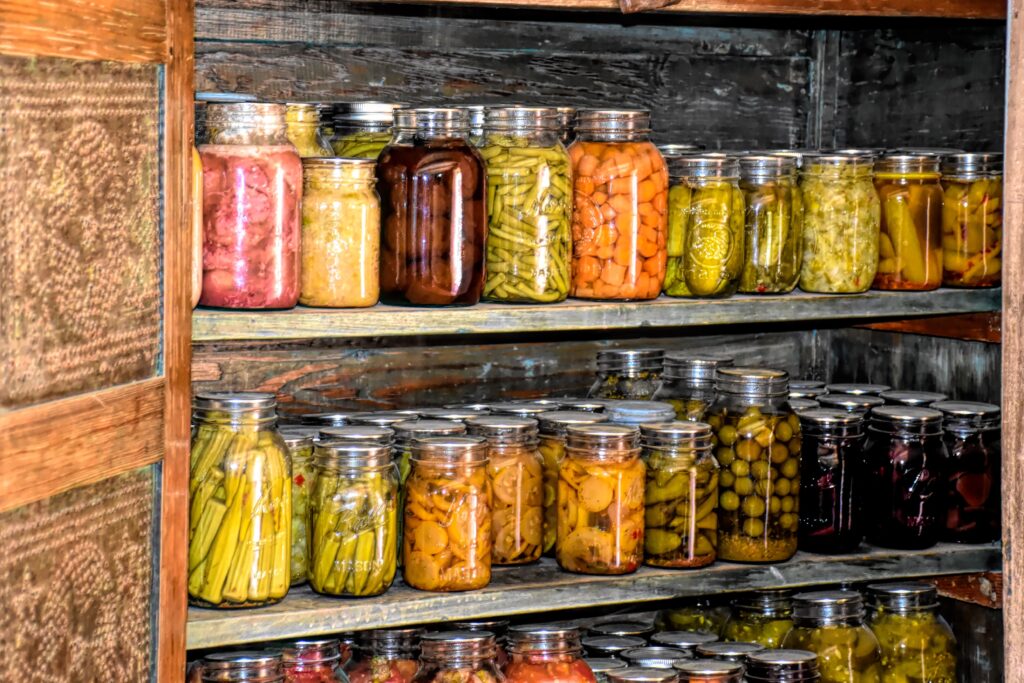
Packets get pushed behind jars, ingredients are forgotten and duplicate products gradually accumulate. Organizing everything so you can actually see what you have is one of the simplest ways to reduce unnecessary purchases.
Try grouping similar ingredients together and moving products with shorter dates toward the front. Before your next grocery trip, check the pantry and build a few meals around ingredients that need using.
You may be surprised by how many meals are already hiding in your cupboards.
Choose Ingredients That Can Do More Than One Job
A pantry becomes much more useful when ingredients aren’t limited to one particular recipe.
Instead of buying specialty products that might be used once and forgotten, look for versatile ingredients that can move between different meals.
Nut and seed butters are good examples. They can work in breakfasts, snacks, sauces and baking rather than having a single purpose. Peppertux pistachio butter, for example, can be used as a spread, blended into smoothies, incorporated into baking or used in savory cooking.
The more ways you can realistically use an ingredient, the less likely it is to sit forgotten at the back of a cupboard.
Get Comfortable With Substitutions
Recipes can sometimes encourage unnecessary shopping.
You might have almost everything required for dinner but discover you’re missing one herb, grain or sauce. Instead of automatically heading to the store, consider whether something already in your kitchen could work.
Rice might replace another grain, yogurt can sometimes take the place of sour cream, and one variety of beans can often substitute for another.
The result may not be identical to the original recipe, but that isn’t necessarily a bad thing. Learning to improvise makes it easier to use ingredients before they spoil.
Create an ‘Eat First’ Area
One of the biggest challenges with food waste is simply forgetting what’s there.
Dedicate a visible section of your refrigerator and pantry to ingredients that should be eaten soon. Whenever you’re looking for a snack or deciding what to cook, check this area first.
This works particularly well for half-used jars, open packages and produce approaching the end of its best days.
It is an extremely simple system, but visibility can make a major difference.
Buy Less, More Intentionally
Bulk buying can seem economical, but only when you’re actually going to use everything.
A huge package isn’t a bargain if half of it eventually gets thrown away. Before buying larger quantities, think realistically about how often you use that particular ingredient and how long it will keep.
For unfamiliar products, starting smaller can be sensible. If the ingredient becomes a regular part of your cooking, you can always buy more next time.
This is particularly useful when experimenting with new flavors. Learning several ways to use an ingredient before stocking up helps prevent it from becoming another forgotten pantry purchase.
Find New Uses for Familiar Foods
Sustainable cooking doesn’t have to be repetitive.
In fact, trying to use everything you buy can encourage greater creativity. A spread that normally goes on toast might become part of a salad dressing. Vegetables intended for dinner could become soup the following day. Leftover grains can provide the base for lunch.
Once you stop assigning ingredients to just one meal or purpose, the pantry becomes considerably more flexible.
Keep a Few Reliable Staples
A well-planned pantry makes last-minute meals much easier.
Think about ingredients that can form the foundations of several dishes, such as dried pasta, rice, canned beans, lentils, tomatoes, oats, nuts, spices and cooking oils.
Exactly what belongs in your pantry will depend on how you eat. The important thing is choosing staples you genuinely enjoy and know how to use.
Having reliable ingredients available can also make it easier to turn refrigerator leftovers into complete meals rather than ordering food while perfectly usable ingredients go untouched.
Make Sustainability Convenient
The most effective kitchen habits are usually the ones that don’t require constant effort.
Organize ingredients so you can see them. Choose foods with several potential uses. Get comfortable substituting ingredients. Find creative ways to use leftovers and think carefully before stocking up.
None of these changes transforms a kitchen overnight. Instead, they gradually make using what you already have the easiest option.
And that may be the most practical approach to a more sustainable pantry: buying thoughtfully, wasting less and making every ingredient work a little harder.
No comments yet.