
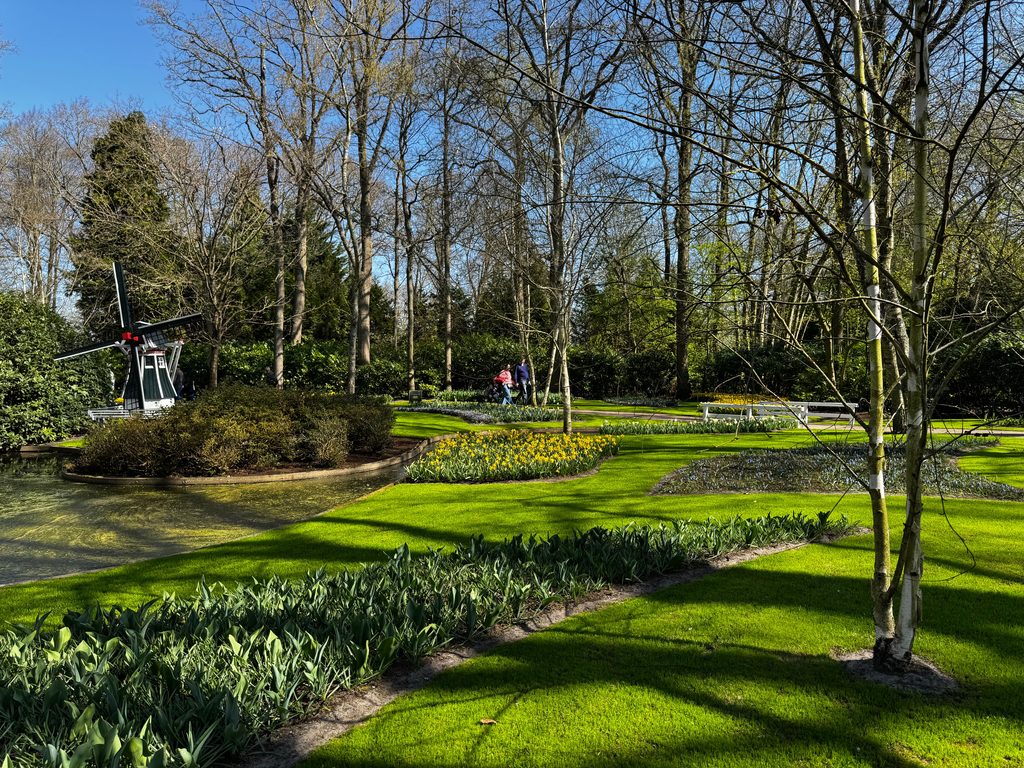
A lush, green lawn is a classic symbol of home, but achieving it doesn’t have to involve a constant battle with chemicals and high water bills. Building a resilient and beautiful lawn the eco-friendly way is about working with nature, not against it.
Focusing on creating a healthy ecosystem from the soil up helps you cultivate a naturally robust yard, requires less intervention, and is kinder to the environment. This approach results in a lawn that not only looks great but also supports local biodiversity.
Know Your Soil: The Foundation
Everything starts with the soil. Healthy soil is the single most important factor for a strong, self-sustaining lawn. Instead of just treating the grass on top, you need to understand what’s happening beneath the surface. Your soil provides the structure, nutrients, and moisture your grass needs to thrive. A simple soil test can reveal the soil’s pH and any nutrient deficiencies.
You can get a kit from a local garden center or through a university extension service. Understanding these lawn care basics for homeowners is the first step to creating a targeted, effective plan. A lawn planted in balanced, healthy soil is naturally more resistant to drought, disease, and pests.
Choose the Right Grass Species
Not all grass is created equal. Planting a grass type that isn’t suited for your climate or sun exposure is an uphill battle from the start. For an eco-friendly lawn, it’s vital to choose the right grass for your specific region. Look for native or well-adapted varieties that are naturally drought-tolerant and disease-resistant.
Fescues, for example, often require less water and fertilizer than other popular types. Choosing a low-maintenance grass seed mix can also reduce the need for constant upkeep. A grass that thrives in your local conditions will grow dense and strong, naturally crowding out weeds and requiring fewer resources.
Smart Watering for Green Growth
The way you water has a huge impact on your lawn’s health and resilience. Instead of frequent, shallow watering, aim for deep, infrequent watering. This encourages the grass to grow deep roots, making it more drought-tolerant and better able to access nutrients from the soil. The best time to water is early in the morning, between 6 and 10 a.m.
Watering during this cooler part of the day minimizes evaporation and allows the grass blades to dry before nightfall, which helps prevent fungal diseases. A simple rain gauge can help you track how much water your lawn is receiving, aiming for about one inch per week, including rainfall.
Feed Your Lawn Naturally
A healthy lawn needs food, but you can skip the synthetic chemical fertilizers. One of the easiest methods is “grasscycling,” which means leaving the grass clippings on the lawn after mowing. These clippings decompose quickly, returning valuable nitrogen and other nutrients to the soil.
You can also apply a thin layer of compost once or twice a year. Compost enriches the soil with organic matter, improves its structure, and introduces beneficial microorganisms that help your lawn thrive.
Proactive Weed and Pest Control
A thick, healthy lawn is the best defense against weeds, as it leaves no room for them to take hold. Mowing your grass at a higher setting (usually around 3-4 inches) helps shade the soil, preventing weed seeds from germinating.
If you do spot a few weeds, pulling them by hand is the most targeted and environmentally friendly solution. For pests, focus on building a healthy ecosystem that attracts beneficial insects like ladybugs and lacewings, which are natural predators of common lawn pests.
Embrace Regular Aeration and Overseeding
Over time, soil can become compacted from foot traffic and mowing, making it difficult for water, air, and nutrients to reach the grass roots. Aeration is the process of creating small holes in the soil to alleviate this compaction. The best time to aerate is during your lawn’s active growing season. Follow up aeration with overseeding, which is the process of spreading new grass seed over your existing lawn.
A truly resilient lawn is a balanced ecosystem. By focusing on soil health, smart watering, and natural methods, you can create a beautiful green space while exploring eco-friendly renovations in your backyard that make the space more sustainable and enjoyable.
No comments yet.