Archive | HEALTH AND WELLNESS

Anti-Inflammatory Foods To Try This Winter

While it can be easy to spend the summer grazing on healthy fruits and veggies, winter does not lend itself quite as nicely to a fresh foods diet. As the weather turns chilly, people often turn to high-carbohydrate and starchy foods. And without the necessary balance of nutrients, the body can be prone to more inflammation. For the 50 million people who have arthritis especially, this can be painful and can lead to further health conditions.

“There are times when inflammation actually helps us,” Dawna Stone writes in Mind Body Green. “For example, it can be the body’s natural response to eliminate or repair an injury or the body’s response to harmful bacteria. But when things get out of balance and inflammation becomes chronic, it can increase the risk of diseases such as cancer, diabetes, heart disease, and rheumatoid arthritis and cause symptoms like fatigue and joint pain.”

Fortunately, winter is not totally void of inflammation-fighting foods. The following are some seasonal ingredients that you can cook with to boost your health this season.

  1. Brussels Sprouts
    These bunches of green goodness are packed with both fiber and vitamin C. They are also rich in glucosinolate and folate, so they can fight inflammation while keeping you healthier overall. Roast them in the oven to eat as a side or toss them in a salad.
  2. Kale
    This superfood has earned its name, offering high doses of vitamins A, C, B6, and K. By munching on these leaves, you are also helping your body’s ability to eliminate free radicals. Try kale raw or cooked in any of your favorite winter dishes.
  3. Butternut Squash
    When it comes to eating the rainbow, butternut squash is one of the best ways to get the color orange. Full of fiber, as well as vitamins A and C, this sweet seasonal veggie can add antioxidants and fiber to your diet.
  4. Turnips
    While these root veggies may not frequent your dishes, turnips are a tasty way to maintain a low cholesterol diet. They also offer a boost of Vitamin C, which can help protect your immune system this season. Don’t just stop at the root though; turnip greens are tasty as well.
  5. Citrus
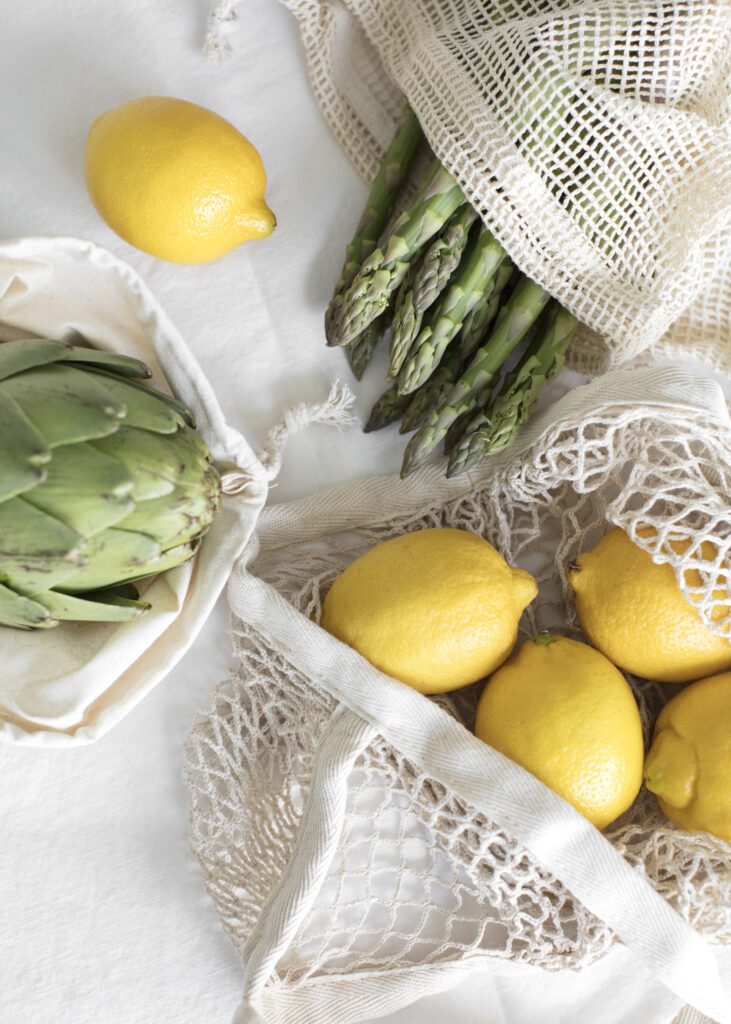
    Stock up on oranges this time of year. These juicy fruits are in season during the Winter, giving you all the more reason to get your full supply of vitamin C.

By combining anti-inflammatory foods with other care methods, you can control your join pain and other aspects of your health this winter. For example, about 89% of consumers cite massage as an effective pain-management technique. Remember that much of your own well being is in your hands, so try various methods out until you feel your best.

Cooking With An Air Fryer, Delicious And Healthy

The Air fryer is a small appliance growing in popularity in recent years. It uses hot air and a tablespoon of oil to cook your food, resulting in meals that are up to 80% less unhealthy than those cooked in a traditional fryer. You can use your air fryer for cooking a variety of foods, including chicken, fish, fries, and even cake!

The Benefits Of Using An Air Fryer

Air fryers are a great way to cook healthier meals without sacrificing flavor. By using this appliance, you can reduce the amount of unhealthy fat in your daily diet while still enjoying delicious food. Here are some of the benefits of using an air fryer:

  • Air fryers are electricity savers. They use far less electricity than traditional ovens or fryers, making them a more eco-friendly option.
  • Air fryers are versatile. You can use them for cooking a variety of foods, including chicken, fish, fries, and even cake!
  • Air fryers are easy to use. They come with a variety of presets that make cooking a breeze.

How To Use An Air Fryer For Cooking Healthy Meals

Being eco-friendly by saving electricity, these tiny appliances are also super easy to use. Most air fryers come with a fry basket inside to hold food and an attached handle, which makes it easy to take the basket in and out of the air fryer. For example, you can quickly cook oven-fried chicken wings by simply sprinkling some spices onto them before placing them into your greased basket. Then place it into your hot air fryer for about 20 minutes for perfectly crispy chicken that is delicious yet still low in fat!

Tofu chips are also super easy to make using just your air fryer – they even taste like potato chips if you season them right! To make these tasty treats, simply cut tofu squares, sprinkle with spices (salt, pepper, garlic powder), arrange on a baking sheet or cooling rack, then place into your hot air fryer. That’s all there is to it!

So if you want some alternatives to the fried food that we’ve come to crave and love so much, try cooking in an air fryer and see for yourself just how easy it is. Then, of course, your family will be begging for more of these tasty foods while asking, “Is this healthy?” at the same time!

Give These Air Fryer Recipes A Try

Your air fryer can be used to cook various meals, including breakfast, lunch, dinner, and even dessert! There are endless possibilities for recipes that you can cook in your air fryer. Here are a few of our favorites:

Air Fryer Chicken: This recipe is delicious and straightforward and is a great way to cook chicken breast or thighs.

Air Fryer French Fries: Who doesn’t love fries? These French fries are crispy on the outside and fluffy on the inside.

Air Fryer Fish: This recipe is perfect for fish lovers! Cook your favorite type of fish in your air fryer for a healthy and delicious dish.

Air Fryer Cake: Yes, you can even make cake in your air fryer! This chocolate cake is moist and delicious.

Air Fryer Baklava: You can find many recipes on how to make baklava, online, so you will have no problem experimenting with how to cook this delicious treat in your own air fryer! Just be sure that you grease up the cooking sheet before placing the dough on top.

Make Sure

An air fryer is a great way to prepare your daily food. So, with all this information at hand, it’s time to get yourself an Air Fryer today!

Natural Healthcare Options That Don’t Cost The Earth

Oftentimes it can feel almost impossible to locate earth-friendly healthcare, and this may discourage you from actively seeking out a solution when you fall ill. There are far too many chemical and artificial medications that have a disastrous impact on your long-term health, and the manufacturing processes that they go through to create such medications are never carbon neutral. Rather than dicing with potential side effects and funding earth-destructive operations, there’s no time like the present to find more natural alternatives that can help you to take care of yourself and the planet at the same time. Fortunately, there are many natural healthcare methods that won’t cost the earth, and it couldn’t be easier to utilize such eco-conscious methods today. So, if you’re interested in finding out more, then simply read on. 

Plant-Based Medicines

For many thousands of years, humans have used plants as a form of medicine. Each species or strain has its own unique benefits that will alleviate symptoms of specific illnesses or issues, and up until around 100 years ago, these were the only treatment methods that you could expect to find when you’re under the weather. Utilizing these natural plant-based medicines is far kinder for the planet, as brewing yourself a mug of ginger tea to reduce pain and inflammation or dropping some Simply CBD oil under your tongue to manage anxiety symptoms and improve sleep is going to be far less damaging than popping out a chemical pill from a plastic covered container. Plant-based medicines can be extremely effective when used in the correct way, so be sure to perform your own research into each option you might like to explore so that you can get the most out of your healthcare.

Avoid The Gym, Get Outdoors

Driving in your car to the gym just so that you can walk on a treadmill machine is one of the most ridiculous concepts, yet it’s far more common than you could ever imagine. It’s vital that you can take the opportunity to exercise every day if you want to take great care of your health, but you don’t need to use any kind of fuel or electricity to feel the burn. Cancel your gym membership if you want to stay healthy without harming the planet, as it’s far more environmentally friendly to head outside for a run amongst nature! Exercising outdoors is actually better for your health, as you’ll be breathing fresh air while getting vitamin D from the sun. To further reduce your carbon footprint while boosting your well-being at the same time, ditch your car and walk or cycle to your intended location instead! 

Utilizing these natural health care methods will help you to keep control of your carbon footprint, ensuring that you can stay happy and healthy without having to harm mother nature in the process. There’s no time like the present to transform the way that you take care of yourself (and the planet), so what are you waiting for?

Is Giving Up Alcohol The Best Thing You Can Do For The Environment?

Giving up alcohol is a common change people make when they’re trying to be healthier. We all know that alcohol contains a huge amount of calories, so cutting it out is a quick and easy way to drop some excess weight without making too many other changes.

Alcohol also has a big impact on mental health and can lead to addiction in the long term. Many people that suffer from alcohol addiction find themselves in need of a rehab center to help them manage their intake, so giving up before you reach that point is a good idea. But cutting out alcohol isn’t just good for your physical and mental health, it’s good for the planet too. Here’s how quitting alcohol can reduce your environmental impact.

Water and Pesticide Use

The environmental impact of alcohol starts with the crops that are used to make it. Lots of grains, grapes, and hops are grown to make alcoholic drinks and that requires huge amounts of water. There is also a lot of pesticides used on these crops, which causes further environmental damage. Alcohol is not a necessity, so all of this water consumption and pesticide use is unnecessarily damaging the environment. 

You also need to consider the water that is used to make the drinks themselves. Beer and wine require a lot of water to be put in before the fermentation process. In fact, it takes around 60 liters of water to produce 1 liter of beer. Water scarcity is becoming a big problem around the globe, and alcohol production is contributing to it in a big way. People often talk about the impact of bottled water, but they don’t think about bottled beer and wine.

Energy Consumption

Next, you have to consider the energy produced in the huge factories that make alcoholic drinks. These factories are big energy consumers, and they use the power to distill alcohol, bottle it, and transport it. This process uses a lot of non-renewable sources of energy like coal, oil, and gas. Although some companies will use renewable energy sources, many of the largest alcohol producers in the world are not. 

There is a lot of energy used to ship alcohol products around the world too. When you add up all of the emissions from factories, as well as ships and lorries to deliver it, you start to see the true impact of alcohol on the environment.

Packaging Waste

Alcohol is traditionally sold in glass bottles or aluminum cans. These are very recyclable, but they will often end up sitting in a landfill for decades before being broken down. Although a lot of companies are looking for alternatives at the moment, many canned beers still come with a plastic ring around the top. These are known to cause a lot of problems in the ocean because animals are easily trapped inside them. If you’re trying to cut back on plastic packaging, be mindful about the alcohol you buy.

Many people decide to give up alcohol because it is better for their health. But even if you aren’t concerned about that, you should think about how it would benefit the planet if you cut back on your drinking.

Vital Tips for Better Immune Health

Your immune system is obviously one of the most important aspects of your overall health and it’s the thing that’ll decide how your body responds to illness. We all want to bounce back quickly when we get sick and we all want a strong immune system, but what does it take to achieve that?

That’s what we’re going to discuss today. Each of the dietary and lifestyle changes we’re about to discuss below will have a big impact on your immune health, so if you’re looking to make some positive changes in that department, read on now and find out more.

Limit Your Alcohol Intake

Alcohol is one thing that you definitely don’t want to be consuming too much of if you want to improve your immune system. There are plenty of great ways to limit your alcohol intake; you might want to switch to alcohol-free beers, for example, there are lots of great ones out there these days. You don’t necessarily have to cut it out completely but by drinking a little less, you’ll improve your health in so many ways, including your immune system’s performance.

Make Sure You’re Moving a Little Each Day

Being active and getting as much exercise as possible into your day-to-day routines is obviously important for your overall immune health and for your health in general, of course. If you’re not sure how you should do that, keep it simple. Find a form of exercise you can enjoy on some level, whether it’s walking, playing a sport, or hitting the gym. It only has to be a little exercise each day and it’ll make a difference. Something is always better than nothing where exercise is concerned.

Spend a Little Time in the Sun

In order for your immune system to function properly, it needs plenty of vitamin D. And the best and easiest way to get more vitamin D is to spend time outdoors in the sun. So although it might be tempting to shut yourself away and relax in front of the TV when you have some spare time, you should try to avoid that temptation and instead try to spend a little time in the sun. Doing so can make such a big difference to your overall health and you’ll be able to get the vitamin D you need.

Make Sure You’re Getting Enough Sleep

Getting more sleep is something that’ll definitely positively impact your immune system and how it’s able to perform. If you know that you’re only getting the bare minimum amount of sleep you need right now, that’s something that you’ll probably want to change and do something about. A failure to get the sleep you need will eventually take its toll and your immune system will be one of the first things that takes a hit, unfortunately. And that’s not what you want.

Try to Manage Your Stress Levels Better

Trying to manage your stress levels properly and looking for ways to stay calm and balanced from day to day will certainly help your mental health and your immune system a lot. When your stress levels are kept in better check, you can keep things in better shape and your immune system will thank you for it. People who are constantly stressed out tend to have poorer immune responses when they get sick, so there’s a clear link there. Identify the sources of stress in your life and then mitigate them accordingly.

Add Chaga Mushrooms to Your Diet

There are lots of foods that you can add to your diet that’ll improve your immune system. One of the best examples of these kinds of foods is Chaga mushrooms. If you want to find out how to use Chaga mushrooms, follow the link and learn all about them. They can taste great and be used in all kinds of ways, and they’re well known for their health benefits, including their immune-boosting health benefits, so it makes sense to make the most of them.

Take a Probiotic Supplement

Taking a probiotic supplement each day is one of the small and simple things that we can all do and we all feel a benefit from it. This is a healthy bacteria that will aid your immune system’s health and functionality. And on top of that, the supplement offers plenty of other benefits to your body and overall health as well. Probiotics, for example, are also known to be very good for your general health outcomes, especially relating to your gut health. So if that’s something you want to improve on, find the right probiotic supplement for you.

Remove Added Sugar from Your Diet

Removing the added and unnecessary sugars from your diet is something that’s obviously very important. You don’t want to be eating too many foods that are full of sugar that your body simply doesn’t need. Those spikes in your blood sugar can damage your health in the long-term and short-term sense, and they certainly have an impact on your immune system. For a healthy immune system, you should aim for a balanced and consistent blood sugar level rather than one with lots of spikes and ups and downs.

Keep Your Body Hydrated Each Day

Finally, you should think about how you can do more to keep your body properly hydrated throughout the day. This is something that we all know is important and yet it’s so often overlooked. Try to set a limit for how much water you need to drink each day and then track your progress. You might find that you need to be putting more effort into hitting your water consumption goals.

Be sure to make the most of the various ideas above if you want to improve your immune health moving forward. Each of these ideas will allow you to take things in a more positive direction, and all you need to do is start implementing them today. It’ll be more than worth the effort required.