
If you’re looking to take your eco-friendly gardening up a notch, then look no further! This blog post will discuss how to take care of your eco-friendly garden in a way that is both environmentally friendly and economical and also talks about choosing the right plants, using organic fertilizers, and conserving water. Gardening doesn’t have to be expensive or harmful to the environment – follow these simple tips, and you’ll be on your way to an eco-friendly garden paradise!
#1 Plant selection
When choosing plants for your garden, make sure to select native species that are well-adapted to your local climate. Not only will this help save water (since they’ll require less watering), but it will also reduce the number of harmful chemicals and pesticides that you need to use. There are a number of ways to find out which plants are native to your area – ask your local nursery or look online for resources from organizations that focus on sustainable gardening.
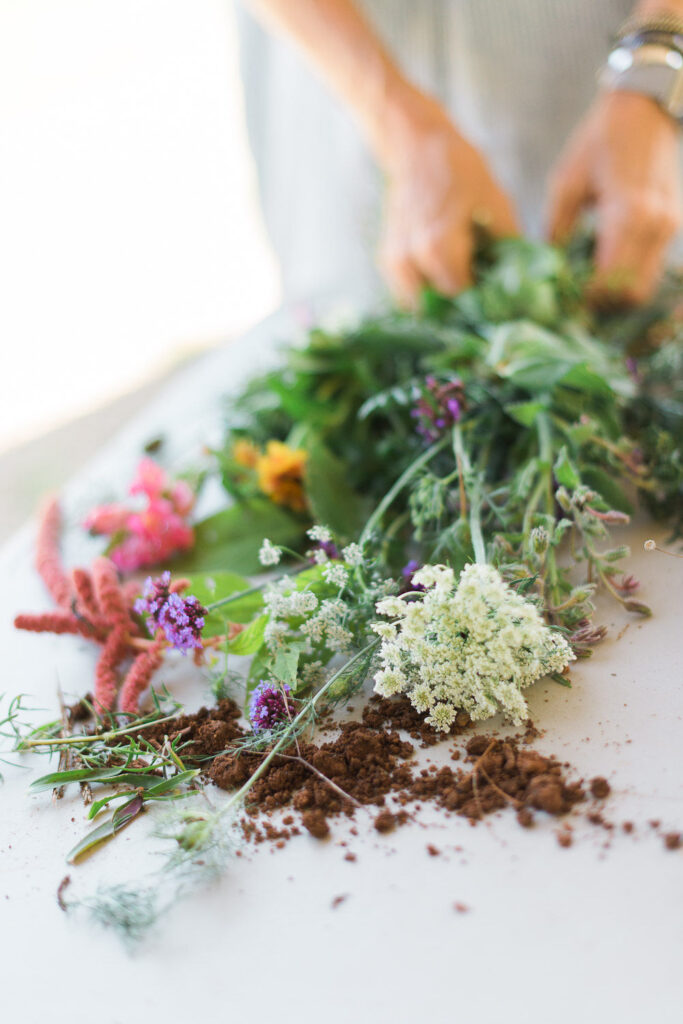
Finally, consider choosing plants that have multiple uses – such as fruits and vegetables that can be eaten, herbs that can be used for cooking or medicine, or flowers that can be used for making homemade cosmetics. Not only will you save money by growing your own food or medicine, but you’ll also be reducing the amount of packaging waste that ends up in landfills!
#2 Soil preparation
One of the essential steps in creating an eco-friendly garden is to prepare your soil properly. This means using organic methods to add nutrients and improve drainage. An excellent way to add nutrients to your soil is by composting – this can be done either with a commercial compost bin or by simply making a pile in your backyard. You can also improve drainage by adding organic matter like bark mulch or peat moss. In addition, it’s important to avoid tilling your soil too deeply – this can damage the delicate structure of the soil and lead to erosion.
#3 The planting process
Once you’ve selected your plants and prepared your soil, it’s time to start planting! First, be sure to water them regularly (according to their needs) and fertilize them with an organic fertilizer. You can also add mulch around the base of the plant to help retain moisture and keep weeds at bay. As your plants grow, be sure to monitor them for pests and diseases. If you see anything suspicious, get in touch with pest control to come out and treat it immediately with an environmentally friendly solution.
#4 Water conservation
One of the best ways to conserve water in your garden is to use a drip irrigation system. This type of system slowly drips water onto the roots of your plants, which means that less water is lost to evaporation. You can also add mulch to your garden beds to help reduce evaporation and keep the soil moist. Rainwater tanks are another great way to conserve water – they can be used to collect rainwater from your roof and then use it to water your plants.
In conclusion, following these simple tips will help you create an eco-friendly garden that is both beautiful and sustainable. Gardening is a great way to connect with nature and make a positive impact on the environment. So get out there and start gardening!
No comments yet.