Think of the Planet For Your Next Celebration

When it comes to celebrating, it’s tempting to throw everything you can into it and make it an event to remember. You want your guests to talk about it for years to come, and the only way to make this possible is to go all out. 

However, going big, whatever the event can have a disastrous effect on the environment. From the harmful consequences of regular air travel to the amount of leftover waste you can get from big family dinners once, twice, thrice, or even more every year, these occasions can seriously harm the world we live in. 

Air Travel

Jumping on a plane to celebrate an engagement, honeymoon, or just because you feel like a vacation seems like a great idea at the time, and if everyone’s doing it, then why shouldn’t you? Well, if you are conscious about air pollution, you’d understand why more and more earth-conscious folk are abandoning air travel. 

While it’s true that you should never settle for less when it comes to engagement rings, you don’t need to go all out for a big proposal, and this is doubly so if you’re planning a destination wedding. Bigger is not always better—the more intimate, the more memorable and unique. 

It’s always wonderful to celebrate anything by catching the next flight out there; no one is disputing that, but with a more substantial focus on the environment than ever before, it’s useful to understand that you don’t need to jet-set around the world to prove your love. 

Car and Emissions

The same goes for car travel and the emissions that they will cause. Air pollution caused by exhaust fumes from thousands of cars on the road every year is astronomical, and this is why, rather than renting a car for your next celebration, maybe suck it up and embrace public transport, whether you go abroad or stay at home. 

If you are seeking solutions to live a more eco-friendly lifestyle that is better for the environment, abandoning your car for the bus or even a train (especially if it’s electric-powered), is a fantastic first step to take. You can still see everything you want for your celebration, whether that’s a birthday or treating the family to a Christmas adventure. Nevertheless, you will need to make sure you know the timetables before embarking anywhere. 

Food Waste

Who doesn’t enjoy getting the family together for the big holidays throughout the year? It’s a great chance to bond and reconnect, especially if you haven’t seen certain relatives in a while. 

However, with a lot of guests means there will always be food leftover, and this means this food will go to waste, especially if it is contaminated with sauce and other food. You can, however, take steps to minimize this with smaller portions and a more modest meal. It may take some getting used to, but it will be better for the planet overall. 

Celebrating More Consciously

We’ve been conditioned to believe that if something is not a huge event, then it doesn’t matter at all, and while there is nothing wrong with celebrating, it’s vital to realize just how much is too much. Whether you’re thinking of tying the knot, taking a vacation, or bringing everyone together for the holidays, it’s worth considering how this will impact the planet before setting anything in stone. 

Eco-friendly Home Improvement 101: Here are the Basics

Are you looking to renovate your home? Whether you intend to sell the property soon or give it a fresh new look for your own enjoyment, make your upgrades good to the Earth rather than harming the environment. Here are the basics for eco-friendly home improvements.

Get More Space with This Genius DIY Project

If your kitchen is lacking the cupboard space you want, then repurpose an existing piece of furniture you’re not using. Why not turn that old bookcase into shelving for the kitchen?

By sanding it and then applying no-VOC paint, you can easily turn a shabby bookcase into a useful storage space for extra pots and pans or dishes.

New Laundry Appliances

Are you tired of looking at the old washer and dryer each time you walk into the room to do laundry? If so, it might be time to upgrade them, especially if they’re more than 11 years old, which the typical lifespan of an appliance like a washing machine.

By replacing them before they stop working, you’ll save yourself having to deal with mounting piles of dirty clothes while awaiting the arrival of the new appliance. As for what to buy, look for an energy-efficient washer and dryer pair, specifically one that uses less water and less energy.

Increase Natural Light

If you’d like to see more natural light in your home, focus first on the greenery outside. If trees and shrubs are growing over windows, for example, then you’re missing out on sunlight that could be shining beautifully through your kitchen and other rooms.

Once you clean up the greenery, the next step is to clean the windows with streak-free techniques from a reputable provider like window cleaning durham. By increasing natural light, you’ll likely find that you don’t have to turn on light switches as often as before and also that the sun streaming through the windows heats rooms well.

Recycled Countertops

If you’re itching to replace the outdated kitchen countertop, choose an environmentally-friendly version for the new one. Composite paper countertops are a great way to do precisely that, and they look terrific too in your kitchen.

The material is paper or wood-based fibers, with resins that are free of petroleum-based resins. The pigment is natural too, which means you can feel good about the minimal impact your upgrade has on the planet. Plus, if you like the way this project turned out, you could even use the composite paper approach for shelving and desks as well!

Other Ideas for Eco-Friendly Home Improvement

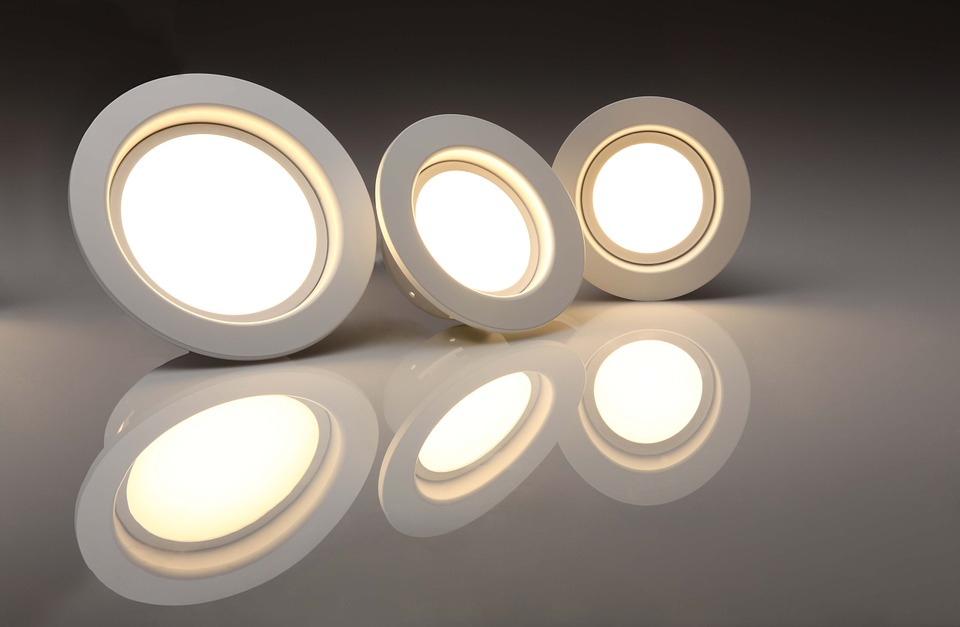
That’s just a few of the ways to go green with your home reno projects. If you want additional inspiration, how about installing LED lighting?

This efficient lighting option is coming down in price and coming in many different designs. Also, consider low-flush toilets when it’s time to replace the existing ones; they use less water, so you can feel good about conserving a natural resource, all while enjoying a lower water bill.

Look around the rooms in your house and see what needs improving, as well as how you can make it a green experience.  

How You Can Make Your Coffee Use More Sustainable

Coffee is an ancient art. In the 16th century, it was being grown in places like Persia, Egypt, Syria, and Turkey. As far back as the 1600s, iced coffee and cold brew were being made in Japan; by the 1800s, Algeria also produced iced coffee and cold brew. In the 17th century, coffee finally made its way to Europe as well.

These days, coffee is everywhere and comes in many forms. But that is part of the problem. In modern times, we’ve become more aware of the impact of our disposable coffee cups, as well as the impact of certain planting and harvesting techniques for the coffee itself.

For those with an eye for sustainability, here are six tips to help make your morning coffee more environmentally-friendly.

1. Be Picky

Consider shaking up your routine by looking into coffee alternatives. Did you know 35% of people miss discovering a business because they don’t see their sign? It’s sort of the same with coffee. We can miss alternatives or more sustainable options simply because we’re not reading labels carefully.

Next time you are at the grocery store to buy coffee, take an extra minute to read the signs right before you. A lot of producers will include labels that indicate their coffee is produced more sustainably.

Look for indicative phrases like fair trade, rainforest alliance, organic, and bird-friendly. These are all certifications based on different criteria. For example, fair trade coffee tries to ensure growers and producers are treated fairly and helps protect land and waterways near where the coffee is grown. Decide what is important to you and find the labels that match that.

2. Find Local Sources

If you can get your coffee locally, that is always going to be a big step towards sustainability. The more your coffee has to travel to get to you, the more pollution and waste is involved in producing it.

Depending on where you live, you may be able to find local growers, independent farms, and regional roasters who can make you the perfect cup. As a bonus, you’ll be helping out a local small business.

3. Make Your Own At Home

Going out for coffee is always going to produce more waste than brewing at home, even if you’re buying coffee from a small local cafe. Brewing your own coffee at home is one of the best ways to reduce waste and it should save you some money too.

When making your own coffee at home, stay away from disposable, one-time-use cups. Instead, use a fair trade brew that you can scoop out of a bag. Those one-time-use cups are convenient, but incredibly wasteful.

And while you’re making coffee at home, use a mug! Invest in a great coffee mug that you can use every morning. By doing this, you will not only be reducing the waste from the coffee, but also from the disposable cups you tend to get at coffee shops.

4. Compost the Waste

One last tip for brewing at home: Compost. Tea leaves and coffee grounds are excellent compost. Coffee is actually a superb fertilizer because of the nitrogen content.

By composting leaves and grounds, you will keep waste out of landfills. You can even spread used coffee grounds directly on your garden if you don’t have a way to compost.

5. Reuse Your Filter

While you’re making your coffee at home, find ways to minimize your waste. You can not only reuse your mug and avoid single-use cups, but you can also get a reusable filter to cut down on wasteful paper filters.

Those paper filters aren’t just bad because they fill up landfills; they also sometimes contain things like dioxins that can get into watersheds. Reusable filters are much better for the environment.

However, if you do need to use paper filters, search for ones that are “total chlorine-free” or “processed chlorine-free.” This indicates that they won’t be full of dangerous dioxins that can get into water systems.

6. Tell a Friend

You don’t need to do this alone! Get a friend to go with you for your morning coffee run at a local restaurant or cafe. You could even buy mugs, reusable filters, and more sustainable and environmentally-friendly coffee together.

As you continue trying to change your coffee drinking habits, having a friend to commiserate with can be a huge help. Talk about the best brands or cafes you’ve found, what your long-term goals are, and tips you discover along the way. Sharing the experience can make it more like a fun challenge and less like a burden. You could even try some composting tips together.

A Better Routine for Everyone

No matter how you choose to go about having a more sustainable morning routine, even small changes can end up making a big difference. Don’t be afraid to start small before working on larger lifestyle changes to increase your positive impact.

Tips For Going Green With Your Fashion

Fashion can be bought. Style one must possess.

—Edna Woolman Chase

Fashion trends come and go quicker than ever; by the time you get to the shop after seeing an advert, There will likely be a completely new selection in. Stores like Primarkare perfect for when you need to buy a quick item, and their basics can be great; but they are one of the top contributors to fast fashion. 

Everywhere you look, you are being advertised the current trends and styles from Instagram shop links to cool videos on Twitter. It has never been easier to change your entire wardrobe in minutes if that’s what you want to do. 

But being a hyper consumer causes a range of issues not just to our own wallets but the living conditions of people around the world. Not only that, but fast fashion has a huge impact on the globe.

It is not always easy to be eco-friendly when it comes to your wardrobe. Even more so if you have a family to take care of two. It is estimated that more than half of the products that are used to create your clothes are destroying the environment. This doesn’t mean that every clothing manufacturer is doing the same many are taking huge steps to make sure that they are producing ethical clothing.

But it’s worth bearing in mind that many of the workers are underpaid and overworked, in dangerous factories.

But you can make a conscious choice with your next fashion purchase, without compromising on style and quality.

Here are some suggestions on how you can do it.

Eco-friendly

So the first thing you can do is actually when you go clothes shopping, use a recyclable shopping bag. Or a high-quality tote bag. This is a simple and easy thing to do; all you have to do is remember your reusable bags. A small change that makes a huge difference when it comes to how much plastic is floating around in our oceans.

Most stores now have their own eco-friendly shopping bags; they are commonly known as bags for life.

Washing Your Clothes

So we have all had that moment where our favorite new T-shirt has shrunk in the wash. Bluejeans suddenly don’t fit you anymore. And that is because washing your clothes will make some shrink. Even if you are only washing them at a low temperature. So it’s really recommended that you wear something more than once, and in fact maybe even a lot. 

This won’t reply to your gym gear, and not anything that you want to do walking or exercise or inspired and slightly too much. Think about how often you are there in your close in the wash after you’ve only worn them for just a couple of hours. You can buy an eco-friendly washing detergent and hang your clothes out to dry as an extra added step.

Go Vintage

There are so many huge vintage kilo sales now. As well as hordes of amazing vintage clothing, bags, accessories, and shoes are a bunch of thrift shops. It is better to plan what you want to buy before you go to thrift shop shopping, though. Or are you going to end up with a lot of clothes that you won’t wear? And this can be just as detrimental unless you are donating them. 

Have a goal in mind do you need a new shirt, are you looking for a new tote bag, what about a crossbody bag, when you buy from charity shops you are not only donating to a worthy cause you are giving close a second life. Try not to buy vintage items that will only last one or two washes; these are things with excessive beading or very light silk. Although most of these can be dry cleaned if you have time to do that.

Research

There are so many amazing brands that are now there that are fully dedicated to sourcing and supplying ethical clothing made with a brilliant range of new and cool materials. Your tip is it looking for Tencel, which is being seen more often in High Street stores. Coconut leather is also an option too. 

These can be slightly more expensive, but they tend to last longer, and you know that you have done the right thing for yourself and the environment. You can read a fashion brand ‘about’ page to try and find more information about what steps they are taking in sustainability.

Repair

Because we are so used to the fact, we can buy jeans for under $10, or a T-shirt for $2 and they are brand-new we don’t have to think about the fact that we can just repair clothes when they tear. It used to be more common practice to do things like darn socks and put patches on the knees of jeans. 

But now it seems more common to throw the item out and replace it with a new version. You can find so many instructional videos on YouTube and even tips on Pinterest and other blogs about how you can repair any tears in clothing. 

This can include silk shirts, patching jeans, or turning jeans into shorts. This will make your clothing last longer, save you money because you don’t have to buy anything new, and one of the main goals is great for the environment.

All of these are relatively simple steps that can help you be more aware of what you purchase and where you purchased it. You don’t have to spend a lot of money changing into a more eco-minded wardrobe. It can be small things like buying eco-friendly washing detergent. Washing on and a colder setting and washing and less often. 

There is a balance to be found, of course. We all need basic things, socks, pants, bras, and T-shirts, and when you have a growing family, you don’t need to do what’s best for your budget. 

But where possible, try to make small changes, and all of those small changes will add up to a big impact.

How To Get Your Boss To Let You Work From Home (It’s Greener You Know!)

We are very fortunate to now be living in a digital world, where we can remotely do anything we want. We can turn up the thermostat at home from our smartphones. We can check in with the kids by tapping into the live cameras in the house. We can even unlock the door from a distance, or video call Australia from the U.S. We have the capability to do so many things remotely these days, so why is it that so many employers don’t go for remote working?

When you’re spending your time clocking in long hours at the office, the last thing that you want to do is to face a commute all the way home again. Commuting adds hours to your day and it can really prevent you from feeling motivated and ready to work. You don’t have to get behind the wheel of a car and get into an accident because you’re exhausted from driving and working. The other massive bonus of working from home? It’s how much fuel you’re going to save! Working remotely saves you the money on gas, and it saves you pumping those fumes out into the atmosphere. One of the best arguments that you could give your boss is that you can save the planet – just a little bit!

 Working from home adds a level of flexibility that you cannot get in an office, and there are plenty of scenarios in which working from home is a great idea. You can make the most out of your personal injury claim from the accident you had while exhausted by working from home and earning without commuting. You can even relax and work from home around your children, which not only saves you money on your commute, but on your childcare, too.

All you need to know is how to get your boss on board. Shall we take a look?

  • Research. You need to approach your employer with all the good things about remote working. You should include the fact that you can cut your emissions with your lack of commute to work – it’s a bonus if your company has a mission to be a greener business! You should also check out the employee handbook to know whether it’s an option already and you just don’t know about it. You have to be able to rebuttal any argument, so look at all the negatives, too and figure out how to argue against them.
  • Plan. Look at what you are currently doing and what your responsibilities are all about, and then figure out how you can translate these to a home office. For example, you may find that a lot of your duties can be done in the home. Always have a list of how you can do them from home and communicate this to your boss.
  • Meet. You want to sit down with your boss properly and discuss this as a matter of concern. Explain how your commute is affecting you and your home life, that you are worried about getting into an accident through sheer exhaustion. Explain how you plan to stay motivated in a home office and ask them to consider your role and the fact you don’t have to be in an office for it to work.
  • Negotiate. Your boss may not be keen on your working from home all the time due to the fact that they need you in the office to meet and plan with your team. So, offer alternatives. Think about offering to be in the office three days a week with the other two days at home to start with. 

Sometimes, employers need to see this work in practice, so offering a trial run is going to be a good way to assure them that you plan to be just as productive.