
Tag Archives | eco friendly

You Can Be a ‘Green Parent’ Too! 3 Simply Steps to Get You Started!

baby-218193_640

by Amanda

As you may already be aware, green parenting has fast become a new trend. Even though many of us have been on this band wagon for a long time, celebrities as well as people of all walks of life are now taking steps to not only reduce their carbon footprint but their kiddo’s as well. Hooray! Green parenting can be achieved through a series of simple thoughtful changes. There are endless ways you can do your part but we’ve put together a few expert tips on how you can easily reduce your baby’s carbon footprint starting today. Here’s a list of a few of our favorites:

1. Breast is Best
It’s not like you need to hear another beneficial reason to breastfeed but know that it is the ultimate green source of food for your baby. The milk you produce will be environmentally friendly because it doesn’t need to be processed, packaged and shipped to the shops, unlike formula milk.

2. Say YES to Hand-Me-Downs
Like with most things, the main carbon and environmental impact of clothing and furniture is in its production. Taking hand-me-downs from friends and family or getting clothes from charity shops extends the life of a garment and diminishes its carbon impact. Additionally, by using second-hand cribs, high chairs, strollers, etc. you will extend the life of that object and negate the need for a new one to be created.

3. Be Smart with Washing/Drying
We all know that kids, especially babies, are incapable of staying clean for longer than five minutes. However, start being more considerate of how often you are changing their outfits and make sure that the washing you do is unavoidable. Something else to consider is drying your clothes outside on a line or inside under a fan when possible as the tumble dryer uses enormous amounts of energy and adds a big chunk on to baby’s carbon footprint.

One of the best things you can do as a parent is to create eco conscious children. Talk to your kids from a young age about the importance of a low-carbon lifestyle and explain your reasoning. They will grow up to follow your example and pass the message on to future generations!
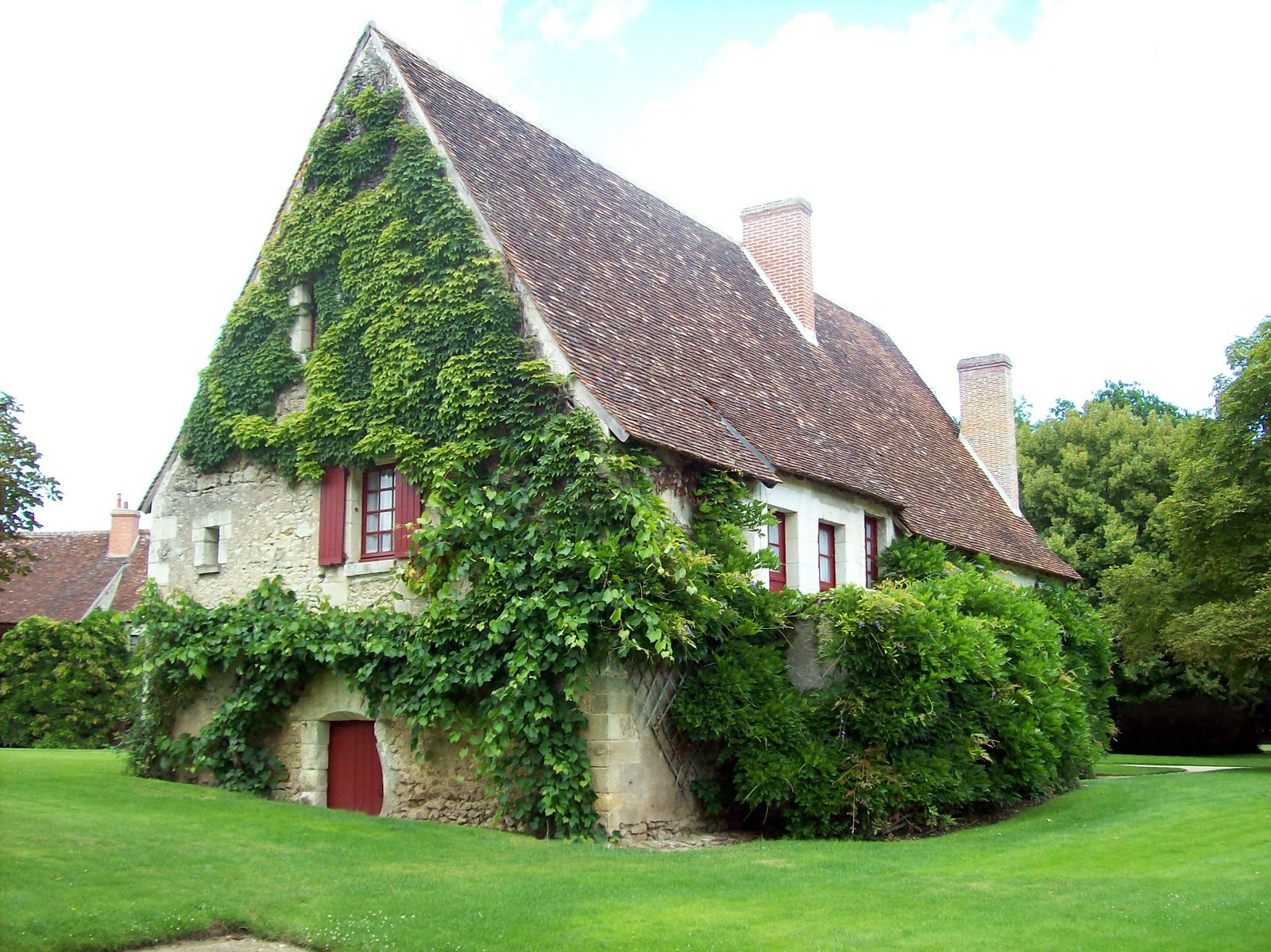
4 Great Eco-Friendly Ways to Green Your Home For a Better Future

Green-Home

NOTE: This post wasn’t written by me – thank you for supporting the companies that help keep Sweet Greens in business.
——————————————————————–

These days we are all called upon to be as green as we can be when it comes to our everyday lives, so that means we recycle where possible and try to cut down on waste. However, we could also apply these green habits to our environment, designing our homes to be as eco-friendly as possible. There is one major advantage to going green in the home, and that is it can save you money too. In some cases, quite a lot of money. However, adopting a green way of living also provides an excellent example to our children, teaching them how to appreciate the planet they live on and to be aware of the value of money. Read on for 4 great eco-frendly ways to green your home for a better future!

1. Making a Green Start
Windows are a great place to start with in the home. If your windows are looking a little worse for wear, consider having them replaced with energy efficient windows that have special coatings designed to reflect the heat of the sun and provide insulation. This way, the rooms in your home will keep cool in the summer and retain the heat in the winter, keeping cooling and heating costs down. Make sure seals are tight and work efficiently by installing window shutters as dressings rather than curtains or blinds. Consider replacing small windows with larger ones to take advantage of as much natural daylight as possible, obviating the need to have artificial lights on during the day.

2. Paint by Numbers
Make your home healthier by using paints on the walls that have no or low volatile organic compounds (VOC’s), or opt for wallpaper instead. You can also use other eco-friendly wall coverings such as ceramic or cork tiles, or even recycled wooden panels. These will also add texture and interest to your walls – giving your home an overall unique look and feel.

3. Friendly Furniture
Turn your back on man-made, synthetic materials for your furniture and embrace natural materials instead. Wood is the prime resource for furniture, and solid wood, such as furniture made by Ercol, is not only extremely hard-wearing, making it suitable for most uses, especially those suffered by a big and busy family, but you can also find wood that is sustainably harvested. This is especially true if you ensure your wooden furniture is FSC-certified. This is a stamp that certifies the wood has been sourced from sustainable forests and is a great ethical as well as environmental choice.

4. Bring Nature Indoors
This is a simple touch, but bringing foliage into the home can add beauty and interest to rooms and also help to improve the quality of the air. Plants will remove harmful chemicals from the air by performing a natural filtration. A great plant to use in this way is the Aloe Vera plant, as it also develops brown spots on its leaves when pollution levels get too high in the home.

Turning your home into a green haven will not only help to create a healthy and peaceful environment for you and your family but will also benefit the planet, and there are not many things you can say that about these days.

4 Ways to Go Green and Save Money on Back-to-School Wardrobes

back-to-schoolBack-to-school time is upon us which means most kids will need a new fall and winter wardrobe. Because buying a new wardrobe each season can get expensive and wasteful. I have been working with ECOlunchbox to help your family go green and buy smart, so we’re sharing a few ways to keep the process green and thrifty. Read on for our top 4 ways to save money and go green when purchasing your student’s back-to-school wardrobe.

#1: Buy Second Hand
Thrift stores and garage sales are usually great places to find kids’ clothes because kids tend to only wear their wardrobe for a season before they’ve grown out of it, thus providing you with a selection of used clothes in pretty great condition—at a much lower price! If the thought of thrift stores turns you off, seek out local consignment stores where the selection is likely to be a little newer and higher-end. The one item I don’t usually purchase second hand is kids’ shoes. Properly-fitted, comfortable shoes are so essential—it’s best to buy these new or acquire a used pair from someone you know, perhaps at a clothing swap.

#2: Arrange a Clothing Swap
Finding a hand-me-down buddy, or someone who’s always willing to give you the clothes their slightly older kid has just grown out of, is also great, but with a clothing swap you get to give back while offloading some outgrown clothes! Clothing swaps for kids tend to work best with a group of families with kids in several different age groups so that you’re not just exchanging too-small clothes for new too-small clothes. Families with multiple kids or siblings staggered between your kids will do just fine! Set a date, time, and pick a house and bring gently worn, washed and folded clothing to the swap—oh yeah, and don’t forget to bring your kids! You’ll want to be able to use the old hold up method or let your kids try on the clothes to make sure they’ll fit. Bringing the kids along also gives them a chance to pick out a few pieces themselves.

#3: Go Green & Local When Buying New
If there are clothing items you can’t find used, consider eco-friendly and sustainable companies to purchase new items from. There are tons of brands and smaller businesses selling organic, sustainably made kids’ clothes just a Google away, and some big box stores like H&M even have organic lines for little ones.

#4: Keep Clothes Nice
One of the best ways to preserve clothing so that it can be passed down to younger siblings, donated, or re-sold at consignment to bring some cash back in is to keep it nice enough to be reused. When clothing encounters a stain, treat it with a non-toxic stain remover before throwing it in the wash so that the stain isn’t set forever. Having a few sets of “weekend clothes”, casual, or lounge clothes at home for your kids to change into after school is also a great way to preserve the life of their school clothes—and help them get cozy and settled into homework time!

These ideas are just the tip of the iceberg! What eco-friendly, back-to-school wardrobe tips does your family have?


Full Disclosure: This post is part of a sponsored 10 post series with EcoLunchbox – you can find all 10 posts below:

  1. 4 Ways to Go Green and Save Money on Back-to-School Wardrobes
  2. 3 Back-to-School Tips to Help Kids Make Healthy Eating Choices
  3. 3 Tips for Waste-Free Lunches for Back to School
  4. How to Start Phasing Plastics Out of the Kitchen
  5. Waste Free Lunch Gear to Add to Your Lunchbox