
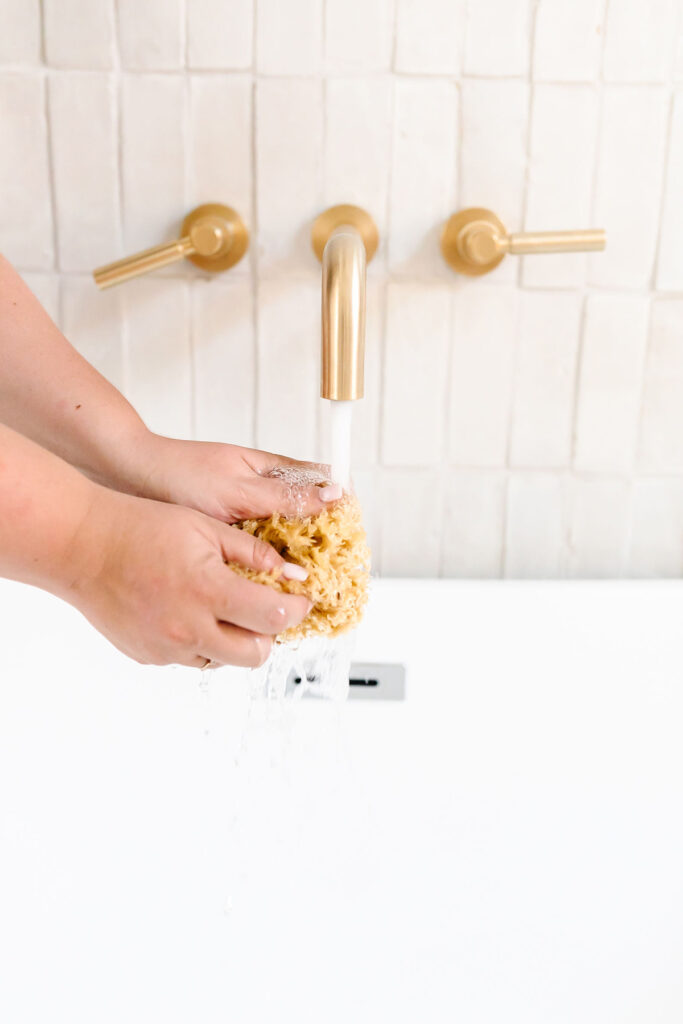
Living an eco-friendly life is not only better for the environment but also better for your wallet, health, and peace of mind. Today’s world is filled with wastefulness and excessive consumption, and while there has been improvement in this area with the creation of renewable energy developers, many of us are still looking at ways that we can live a more eco-friendly life. The good news is that adopting some simple eco-friendly habits can make a big difference in your daily life. Even small changes, such as switching from disposable households to reusable ones and choosing environmentally-friendly products can add up over time. Here are 5 tips on how you can start living an eco-friendly life today.
Stop buying disposable products
Disposable products are a significant waste source that can harm the environment and your wallet. Switching to reusable containers and utensils can drastically reduce the amount of waste you create while also helping you save money. For example, use an insulated reusable water bottle instead of using a plastic water bottle to store your water while out and about. It’s essential to focus on reusing items where possible and cutting out wasteful products where possible so you can start reaping the benefits of a more eco-friendly life.
Ditch your car for a bike or public transport
There’s no doubt that cars are excellent machinery and can be a beneficial way to get around town. However, they are also very energy and resource intensive. However, switching to a bike or taking public transport can help you reduce your carbon footprint and save money simultaneously. Biking is an excellent low-impact transportation method and can be a great way to get some exercise while also reducing pollution and saving money. Public transport can be a great alternative to using your car, mainly if you live in an urban area where you don’t have to deal with the hassles of driving. Public transport can be more expensive than riding your bike or taking the bus, but it’s often a far more cost-effective way to get around.
Install low-flow showerheads and faucet fittings
Before you have your first shower in the morning, you can think about the water going into the pipes that supply your house. The water flowing through these pipes is a major waste source, accounting for up to 90% of water pollution in some areas. So why not try installing a low-flow showerhead or changing the water pressure in your faucet? This can help you reduce the water going into your pipes and save money. You can also try locating your water supply pipe to your house rather than the street. Low-flow showerheads are a great way to start rethinking the water going into your pipes. These showers are now trendy and available in various sizes and styles. They come with a variety of features, including LED light bulbs, massaging heads, and rain shower heads. Low-flow faucet fittings are also a great investment, as many faucets are a major source of waste. When replacing your faucet, look for ones that have a 2.5 or fewer gallons per minute flow rate. These types of faucets are more energy and resource-efficient while also saving you money.
Help the environment by donating and volunteering
There are a number of benefits to helping others, including helping the environment. One great way to help others is by donating old clothes and unwanted items to a charity. These items can be resold and donated again, helping to turn them into a source of income that can be used to help others in need. Volunteering is another excellent way to help others while helping the environment. For example, you can sign up with an organization that provides environmental work, including planting trees, cleaning waterways, and installing renewable energy systems.
Wrapping up
The good news is that adopting some simple eco-friendly habits can make a big difference in your daily life. Even small changes such as switching from disposable households to reusable ones and choosing environmentally-friendly products can add up over time. It’s important to realize that changing one habit doesn’t mean you can stop saving money. You’ll want to look at your spending habits to find other areas where you can make cuts that could result in savings. It’s also important to realize that not all disposable products are created equal. For example, some food products come in packaging that can be reused. Other products, such as cleaning supplies and paper, are more wasteful even if used more than once. It’s essential to focus on reusing items where possible and cutting out wasteful products where possible so you can start reaping the benefits of a more eco-friendly life.
No comments yet.