Did you know that those annoying little stickers that come on your produce really do have a great purpose? Those stickers, also known as PLU codes can actually tell you whether your produce was grown conventionally, organically or if it has been genetically modified. Here is how it works:
1. Conventional Produce: You will find a four digit PLU code on the sticker. 2. Organic Produce: You will find a five digit PLU code that starts with the number 9 on the sticker. 3. Genetically Modified Produce (GMO): You will find a five digit PLU code that starts with the number 8 on the sticker.
Let’s break it down with some examples.
– A conventional apple would have the PLU code: 5454 – An organic apple would have the PLU code: 95454 – A genetically modified (GMO) apple would have the PLU code 85454
How great is that? Next time you are shopping, take a look to see how your favorite produce was grown.
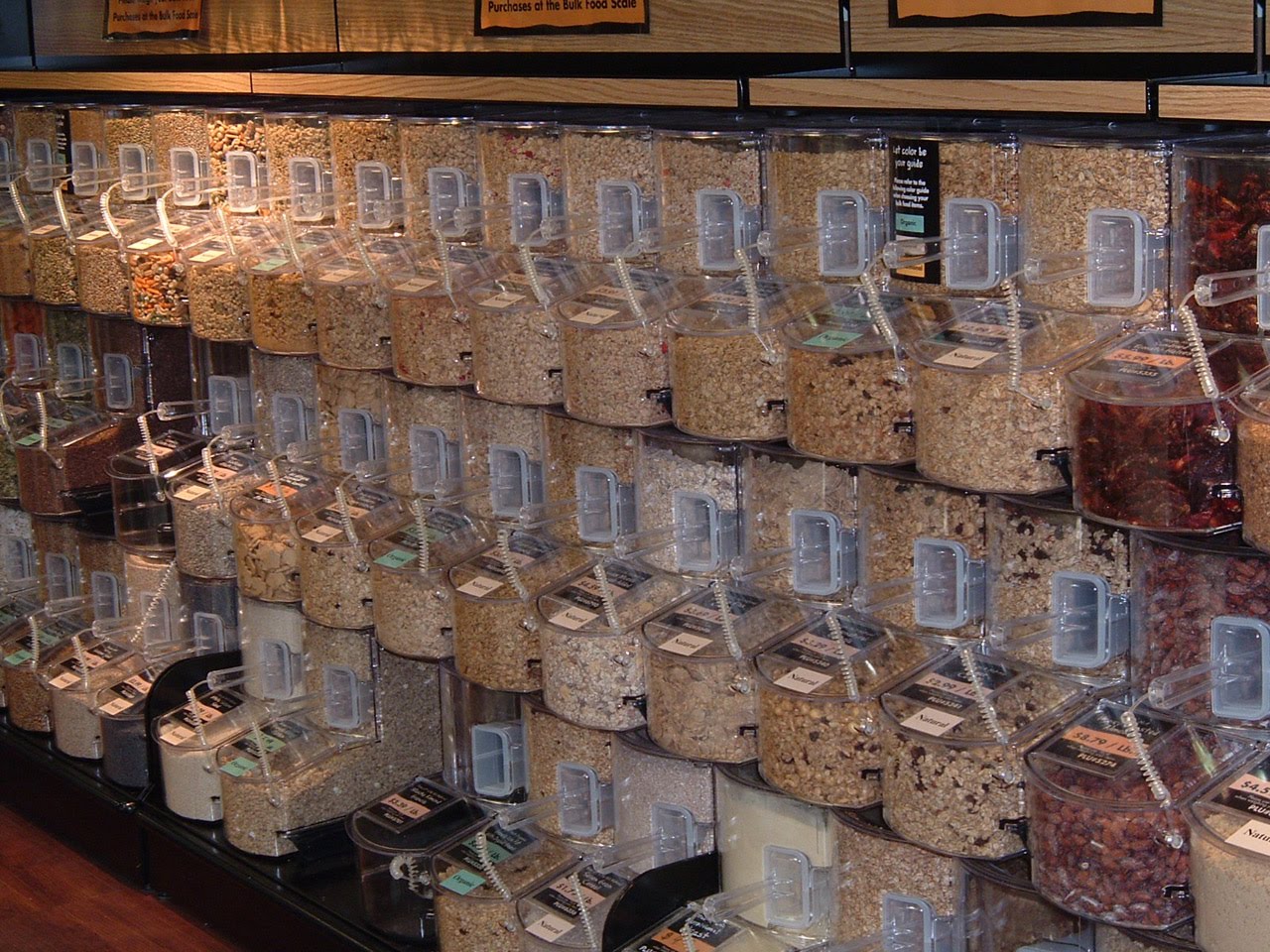
Do you buy in bulk from your local natural grocer? If you do, you already know how affordable it can be, right? However, do you realize that shopping in bulk is also great for the environment? When you buy in bulk, you are only purchasing the exact quantity that you need – which means nothing goes to waste. If you bring your own reusable containers, you eliminate the need for packaging too. There are tons of organic options available in the bulk bins including; cereals, snacks, dried fruits, spices, nuts, seeds, and even peanut butter and honey. Plus, many co-ops offer personal care items such as soap, shampoo, and condition in bulk too.
YOUR TURN: Do you shop in bulk? What are your favorite items to buy? What are your favorite stores to bulk shop at?
If you are just starting to consider living a greener lifestyle – you may be stumped by all of the the different terminology that is floating around out there on food packaging. Organic? All-Natural? Eco-friendly? Vegetarian? Vegan? What does it all mean? Here is a quick breakdown of these terms to help you make the best choices when grocery shopping for your family.
Organic: Organics are produced without any type of synthetic chemicals including; herbicides, fertilizers and pesticides. Organic meat, poultry, fish and dairy have zero antibiotics, hormones and are organically raised and feed. You do not need to worry about your food being genetically modified if you are purchasing organic. Organic farming practices promote healthy soil and conservation of water and all ecological systems. Organic farmers use zero chemicals and focus on renewable resources.
All-Natural: This one is a little trickier. All-Natural means that foods contain no artificial colors, flavors, preservatives or sweeteners. All-Natural products are minimally processed. When a product is labeled all natural, I highly recommend reading all of the ingredients and consider that these items may still contain herbicides, fertilizer, pesticides, antibiotics, hormones and GMO’s.
Free-Range: Free-Range indicates that the chickens were allowed access to the outdoors – however, they are not raised outdoors. (When, it comes to eggs, the best option is to purchase eggs from a local farmer that you know raised the chicken organically, outdoors.)
Eco-friendly: While this term doesn’t usually refer to food items, it can refer to the packaging that your food comes in. Items that are labeled eco-friendly have been produced in a way that minimizes any negative impact on the environment. Eco-friendly products should be bio-degradable, chemical free, and/or made of recycled, compostable or upcycled post-consumer waste. Once again, I recommend reading all of the ingredients, especially in personal care products.
Vegetarian: Vegetarians only eat foods derived from plant sources and some foods containing egg and dairy. Vegetarians do not eat any type of meat, poultry, fish, crustaceans or any product that contains them – so items labeled vegetarian should contain none of these ingredients.
Vegan: Vegans only eat food that is of plant origin, including fruits, vegetables, grains, legumes and nuts. They do not consume any type of animal or animal byproduct including; eggs, dairy, or honey. They usually do not use any type of product or personal care product made with these ingredients either including; leather, beeswax or down. Once again, items labeled vegan should contain none of these ingredients.
What others terminology have you come upon in your green journey? Do you need help defining these terms? Drop me a note, I would love to help!
When we were on our winter camping trip to St. Augustine, Florida last month we couldn’t miss one of our favorite activities, the farmer’s market. St. Augustine has an amazing farmer’s market, full of great local vendors offering everything from art and handmade items to produce and fresh baked goods – but one of my favorite things to pick up is the local raw honey!
We stopped by Stubbees Local and Raw Honey’s booth to check out the bees and pick up a jar of their amazing honey! We learned from Lori and Justin Stubblefield, owners of Stubbess how the local bees actually hang around waiting for the Stubbees to show up on Saturday morning for the farmer’s market. Then, they hang out with the honey jars all day.
I love the creamed honey – it is my favorite in coffee and tea, but I have been known to have a teaspoon here and there as a little treat! I definitely recommend picking up a jar or two of Stubbees Local and Raw Honey!
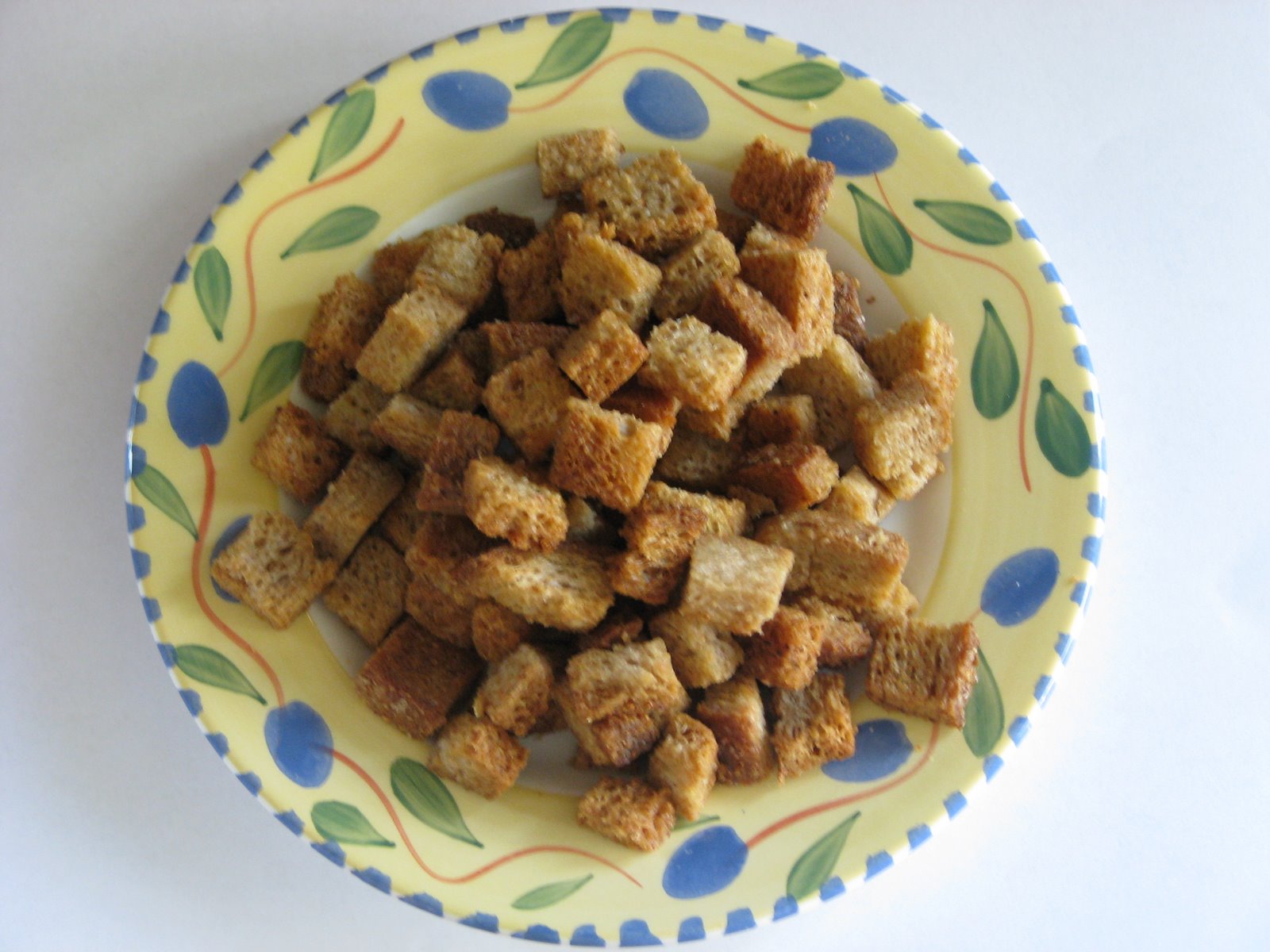
Do you like croutons on your salad? Of course you do – they are yummy, crunchy, deliciousness! You don’t have to run to grocery store to pick up a bag, you can make your own – they are really easy to make! When we have bread that is getting iffy or has been in the freezer for a while, the mister pulls out a piece to make croutons to go with our dinner salad. Do you have a little leftover bread laying around, read on to whip up a quick batch of these yummy croutons:
Ingredients:
bread (any kind)
organic extra virgin oil olive
garlic salt
Preparation
Cut the bread into 1/2 inch cubes, toss in a bowl with organic extra virgin olive oil until mostly coated, then add garlic salt to taste. Bake at 350° or until crispy. Pull them out as soon as you think they are done or they will burn.