Did you plant your pumpkins and gourds last spring? If so, you should have a bounty of them to use for decorating and baking this fall. If not or if you live in Florida like me, that’s alright, you can find lovely organic pumpkins and gourds at your local organic farm, farmer’s market or organic grocer. Do you need help locating great organic pumpkins in your area? Check out Local Harvest to locate a farm in your area, and enjoy autumn!
Where do you get your pumpkins?
Do you purchase local organic ones?
P.S. My favorite place to pick pumpkins is in the North Carolina mountains at the New River Pumpkin Patch. Hurricane Irma made it possible this year! We happened to be evacuated at the time and were able to stop by before heading home!
Fall is almost here! Last week my family had to evacuate for Hurricane Irma. It took us 2 days, but we finally arrived in the North Carolina mountains. The leaves were just starting to change colors and every front porch was stacked high with pumpkins. We stayed at a cute little cabin and stayed toasty by snuggling up by the fire, sipping hot cocoa, and hopping in and out of the hot tub.
The mister and I chatted about buying a little mountain cabin in the next couple of years when Eben goes off to college. But WOW – it is chilly here. I haven’t had to think about winter proofing since we have lived in Florida for so long and decided to write up a little post on ideas for reducing your carbon footprint this autumn.
Fall is a great time to give your home and car an energy audit. Nothing is worse than finding out in at the beginning of winter that your home’s heating system is faulty, or the tread on your tires isn’t ready for snow. So spend the next few weekends taking a closer look at your home and vehicle to make sure that they both are ready for those cold, winter months ahead. Get started by reading on for 7 tips to prepare for colder weather while reducing your carbon footprint.
#1 Keep the Heat Low As the temperature outside begins to drop, we tend to turn the thermostat up. Before you reach for that dial, try layering with sweaters, thick socks, and extra blankets on the bed. It’ll save energy and heating costs, and you can save the toasty heat for winter.
#2 Give Your Heating System a Checkup Before the cold sets in for the rest of the year, have your heating system inspected by a professional to see if any tune-ups are in order, filters need replacing, or if it’s time to exchange your older furnace for an energy efficient model. It’s best to do it now while the weather is still tolerable – having a heater go out in the middle of a freezing December night is no fun!
#3 Turn Down Your Water Heater Many water heaters are installed at a default setting of 140 degrees, which can pose a scalding risk and waste energy by heating water much hotter than you’ll need it. Turn your heater down to 120 degrees to save energy and bring the water down to a safer temperature. You can save additional energy by wrapping your water heater in a blanket to keep heat in.
#4 Save Baking for the Cold Days Fall is a transitional season, so some days feel like summer while some foretell winter’s coming with a bite in the air. If you’re planning to use the oven for cooking your favorite pumpkin chocolate chip cookies, save the recipes that need to cook in it for colder days. Chances are the oven will heat your kitchen enough that the rest of the house will raise a few degrees in temperature, too, and avoiding baking on hot days will prevent you from having to crank the AC.
#5 Check Your Tire Pressure When the temperature drops, tire pressure lowers and brings fuel efficiency down with it. Check your tires and inflate them to the proper setting. Fall is also the perfect time to have the tread on your tires checked – if you need new tires, get them put on now before you find yourself stuck in the driveway the morning of that first snow storm.
#6 Check Windows and Doors Check the weather stripping around your windows for leaks and caulk or replace where necessary. Check for drafts under doors and use a draft snake or replace the threshold if necessary.
#7 Arrange Furniture Warmly Many older homes have at least one wall that lacks proper insulation, allowing the cold to seep in and taking too long to heat up in the day time to prevent the room from feeling freezing at night. Line up heavy furniture like sofas and armoires or use decorative quilts to help insulate the room.
How does your family reduce its carbon footprint when cold weather rolls around?
Few things warm up a room more than a bright smile. Many studies have shown that nonverbal cues are actually four times more impactful on first impressions than verbal cues, and a healthy looking smile has a lot to do with that. There’s a reason we respond so positively to people with happy smiles.
But your oral health is much more complex than the shine of your pearly whites.
In fact, the health of your teeth, gums, and mouth are actually tied to other aspects of your health, so it’s important to prioritize oral hygiene. But as any green gurus know, taking care of your teeth can be difficult to do naturally. Fortunately, with the right tricks, you can overlook the chemical-filled hygiene products and take the natural route instead. Follow these tips to take a more natural path to your dental health.
#1: Eat well and stay hydrated.
As with many other aspects of your health, what you put in your body directly impacts your health. Drinking enough water will help clean food particles from your teeth, as can eating crunchy fruits and vegetables. Avoiding sugar and consuming acidic foods and drinks in moderation are also a must.
#2: Try oil pulling.
This natural method involves swishing olive or coconut oil around in your mouth for about 20 minutes. By doing so, you can reduce bacteria, whiten your teeth, control bad breath, and curb sensitivity. Of course, you have to be willing to swish olive or coconut oil in your mouth for 20 minutes.
#3: Drink tea after meals.
Herbal and green tea are great for controlling bacteria and for removing food particles from your teeth. While black tea is certainly a healthy option for reducing plaque, it can also stain your teeth like coffee.
#4: Choose low-chemical care items.
With all the natural methods in the world, brushing and flossing are still an essential part of oral health. Just try to choose toothbrushes, toothpaste, and floss that are made of more natural ingredients and materials.
#5: Stock up on herbs.
Certain plants and herbs have healing properties for the mouth. Cloves, for example, can help control toothaches. Cinnamon is also known to reduce bad breath. You may find your own herbal tips and tricks as you start your natural oral care journey.
While the above methods and other tricks can be effective in supporting your oral health, it is still essential to visit a dentist regularly. A recent study found that 84.7% of children ages two to 17 visited a dentist between 2014 and 2015. But are you doing the same as an adult? Even if you think you have your oral health under control, nothing can replace professional care and the advice of your dentist.
With a combination of at-home natural care and professional care, you can keep your mouth as healthy as possible. Remember that not every method will work for everyone, so feel free to try out different natural methods to find what works for you. Your teeth will thank you for it.
September is here, heralding the approach of fall. And while autumn might have a lot to offer, from multi color foliage to pumpkin spice — well, everything, it can also bring its own unique set of difficulties. Many of us find that as the temperature gets lower, our heating bills begin to skyrocket. Additionally, less sunshine means that you will need to rely on artificial light a great deal more, driving up your energy costs.
While there are very few people who view a higher utility bill as a good thing (outside of your utility company, at least), those of us who are concerned with reducing our environmental impact are especially eager to avoid the increase in gas and electricity consumption.
Fortunately, there are a number of ways to help keep your fall heating and energy costs down.
#1: Resealed Ducts
According to ARLNow, poorly fitted ducts are a major cause of heat loss in homes. In fact, up to 30% of the air flowing through your ducts can be lost due to leaks, holes, and bad construction.
That is because your metal ducts will expand and contract with the weather: for instance, a duct system that was perfectly fine in summer might have small gaps, which allow your heat to escape and cause a serious energy waste.
Or as the Department of Energy puts it, “Your air ducts are one of the most important systems in your home, and if the ducts are poorly sealed or insulated they are likely contributing to higher energy bills.”
#2: Solar Heating
Solar power is a great way to save money on your electricity bill; in fact, the average home saves around $84 per month with solar panels. But solar energy can be used for other purposes, too.
Solar space heaters are a great way to cut down on your overall heating costs. From full sized retrofits to small, portable space heaters, you can easily harness solar power to help heat your home. According to the Energy Saver office of the U.S. Department of Energy, you can save as much as 40% to 80% on your heating bill with solar space heating.
#3: Energy Star Lighting
Even the most outdoorsy of us end up spending a lot of extra time indoors during the winter, and the lack of natural light means you will be reaching for that light switch much sooner than you would during the summer.
But did you know that in 2016, 10% of all residential energy was used for lighting, according to the U.S. Energy Information Agency? By switching to LED Lights, you can save 85% of the energy used for standard halogen lighting.
As Autumn approaches, it is important that you take the time to prepare your home. Make sure that your heating and cooling vents are properly sealed, replace any less-than-efficient lights, and explore the possibility of solar heating. Otherwise, you might be in for a nasty shock the next time you open your utility bill.
NOTE FROM SWEET GREENS: Thank you supporting the companies that keep Sweet Greens in business.
——————————————————————————————————————————————————————
The idea of “green” living involves being less reliant on synthetic products, but from an economic standpoint, “keeping it green” can be pretty costly. However, when the environment is overrun with plastic containers and Styrofoam, all of the trees are removed, and the air has been polluted by synthetic aerosols, the cost of healthy living in this world might exceed any pocketbook pain resulting from pricey green products and services. Fortunately, today’s consumers might find they can save more money by adopting simple green habits that preserve and improve the environment.
Change through energy and water consumption The first place consumers might see cost savings while improving the environment is in the home. While a person can go green and go big by converting their energy supplier from electric to solar, on a smaller scale, daily lifestyle changes reduce the cost of utility bills. For example, instead of running the air and heat on high throughout the day, keep the heat running a few degrees lower in the winter and the air running higher in the summer. Better yet, install fans that run in conjunction with the air to prevent it from cycling so frequently during the summer. Consumers can also make energy-saving upgrades to a home by installing cheap shutters or applying plastic window shades to keep the home cool in the summer. Instead of using incandescent bulbs, opt for compact fluorescent lights (CFLs). In addition, it is a good idea to exchange synthetic household cleaners with natural cleaners such as vinegar, lemon, and baking soda.
Wise husbandry of water resources can also improve the environment while saving money. Very minor changes, like line drying as opposed to using a dryer for clothes, can save energy, money and the environment. You should also consider washing clothes in cold water to offset heating costs, as most of the energy used in a cycle goes to heating water. Homeowners can also install water-saving fixtures and faucets to reduce the amount of water used when bathing and using the restroom.
Those who find they spend an inordinate amount of water while watering plants and the grass might consider planting environmentally-friendly plants that do not require a lot of water. Finally, pay attention to programs the city might have to reduce hot water usage during non-peak hours. A simple device can be attached to a water heater that regulates energy use throughout the day.
Change through consumer purchasing power Developing green habits that include purchasing green groceries and other personal items can also improve the environment and your health. Simple habits like reducing the number of meals where meat is served can save on groceries while bettering the environment. Because most vegetables are cheap, people and families who reduce meat consumption not only save money but also develop healthy eating habits. It’s even better if you can purchase fresh fruit and vegetables from local farmer’s markets in the area. If meat is a must-have staple in the diet, consider purchasing organic or free-range meat and eggs. If you’re feeding a family, consider purchasing popular groceries in bulk to save on money and reduce waste. Consumers can also save money on water consumption and reduce waste by avoiding bottled water and using a water filter that only needs changing every couple of months.
When purchasing products for the home, consumers should adopt a “borrow instead of buy” policy to reduce consumption. For example, instead of purchasing brand-new books, consider borrowing from libraries or visiting second-hand bookstores. Consumers reduce waste by borrowing and exchanging magazines as opposed to spending on subscriptions that add up. Better yet, purchase online subscriptions to get rid of hard copies entirely.
Other ways to conserve and save Use online bill payment and e-statement options. Online bill pay and e-statements reduce paper waste, and some financial institutions do not charge a monthly fee for e-statements.
Maintain appliances in the home. Whether it is servicing a heating system or cleaning the coils behind the refrigerator, these maintenance habits save energy and money in utility costs.
Reuse and recycle plastics. Reuse plastics by converting them to storage containers. Furthermore, many garbage companies offer recycling programs in addition to garbage collection.
Ultimately, the planet, the human being, and the pocketbook will all benefit from adopting green habits that encourage conservation. Simple changes that cost no more than the effort it takes to adopt them can save consumers thousands in the long run. More importantly, conservation is one of those now-or-later situations. Humans, as a collective, can either conserve the earth’s resources now or pay costs related to a polluted environment later.



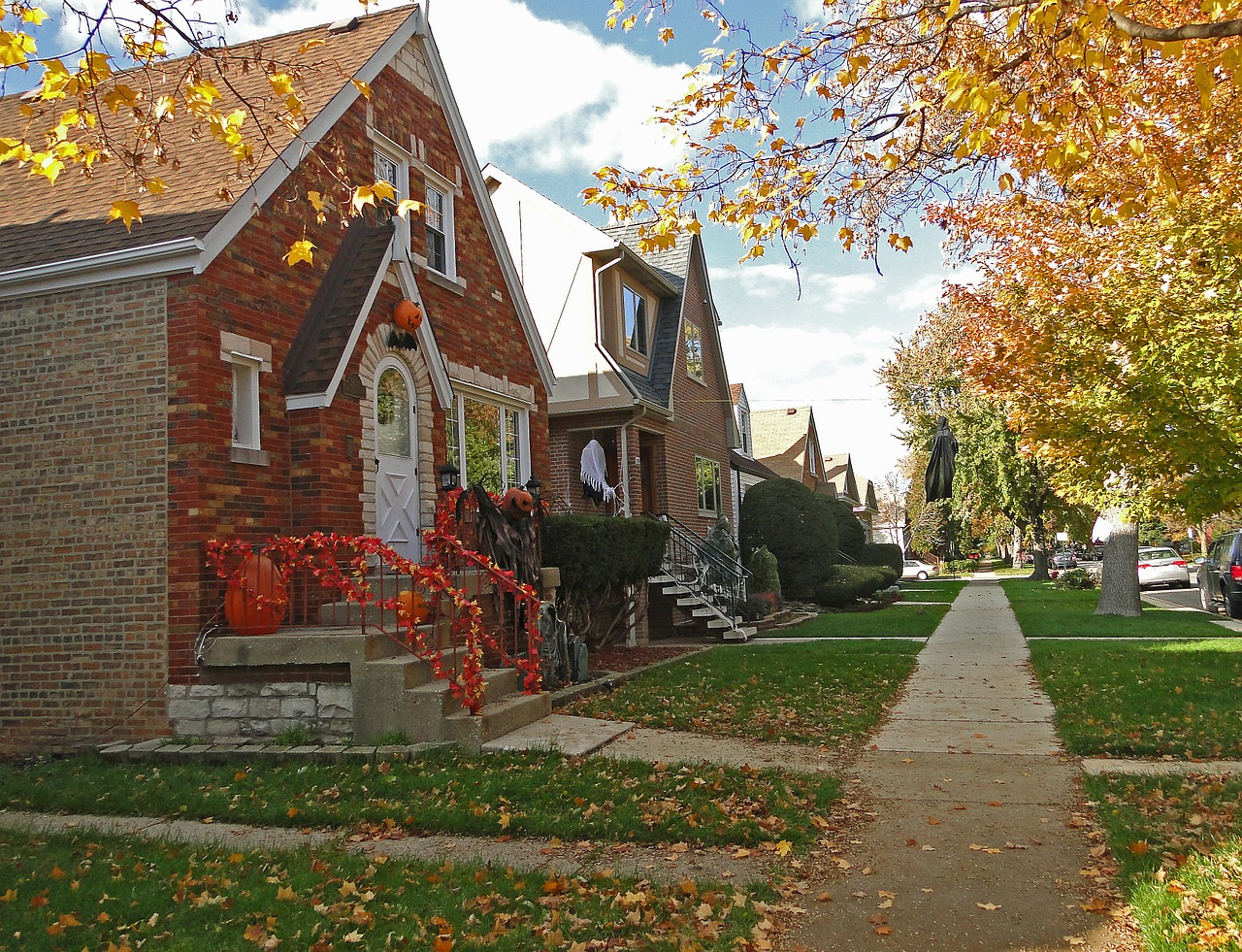 September is here, heralding the approach of fall. And while autumn might have a lot to offer, from multi color foliage to pumpkin spice — well, everything, it can also bring its own unique set of difficulties. Many of us find that as the temperature gets lower, our heating bills begin to skyrocket. Additionally, less sunshine means that you will need to rely on artificial light a great deal more, driving up your energy costs.
 NOTE FROM SWEET GREENS: Thank you supporting the companies that keep Sweet Greens in business.